
While history has ‘story’ in it, you cannot simply write what you imagine and call it history. True historical writing requires gathering extensive information from diverse sources, cross-checking its authenticity, and only then presenting it as fact.
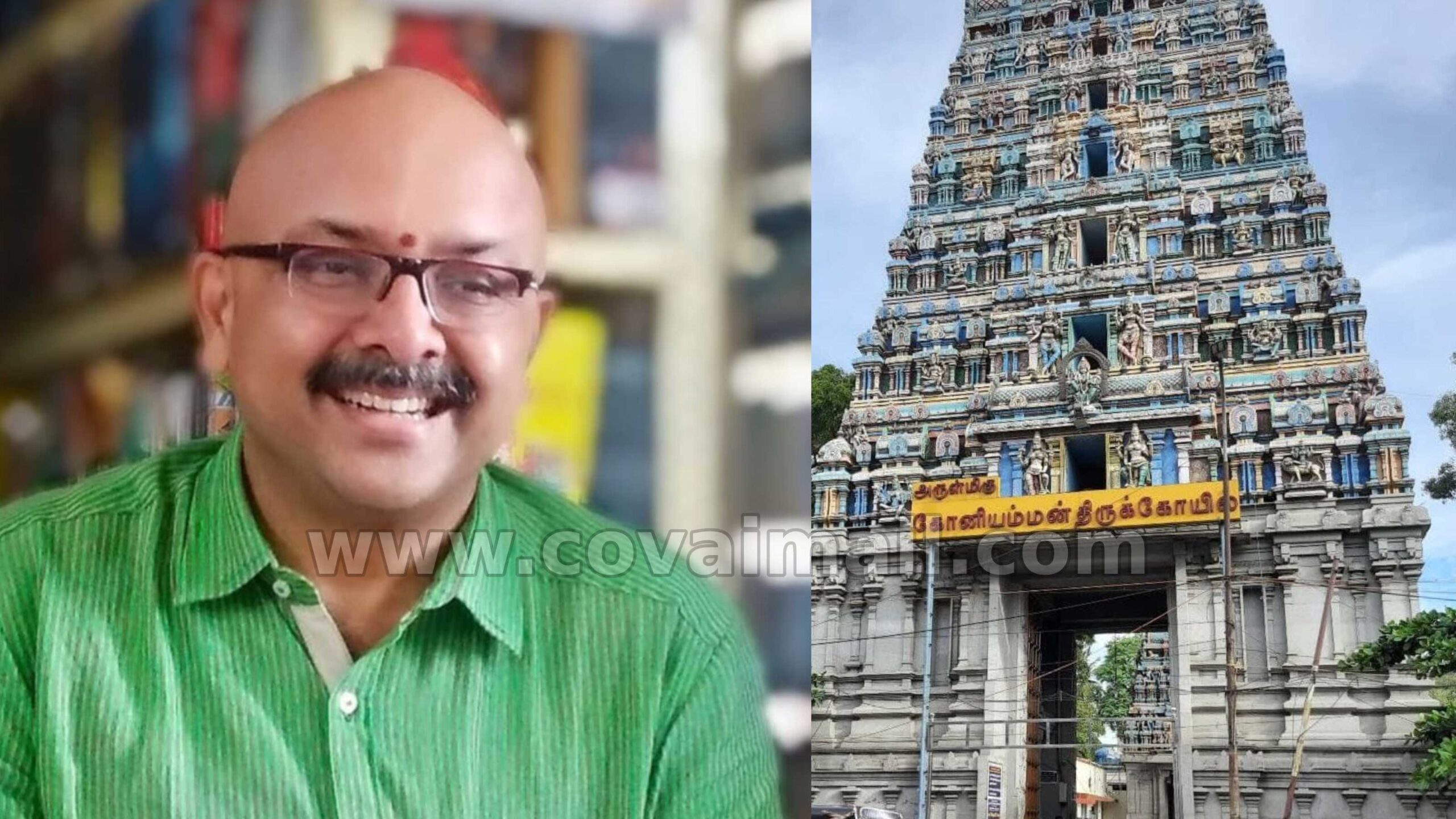
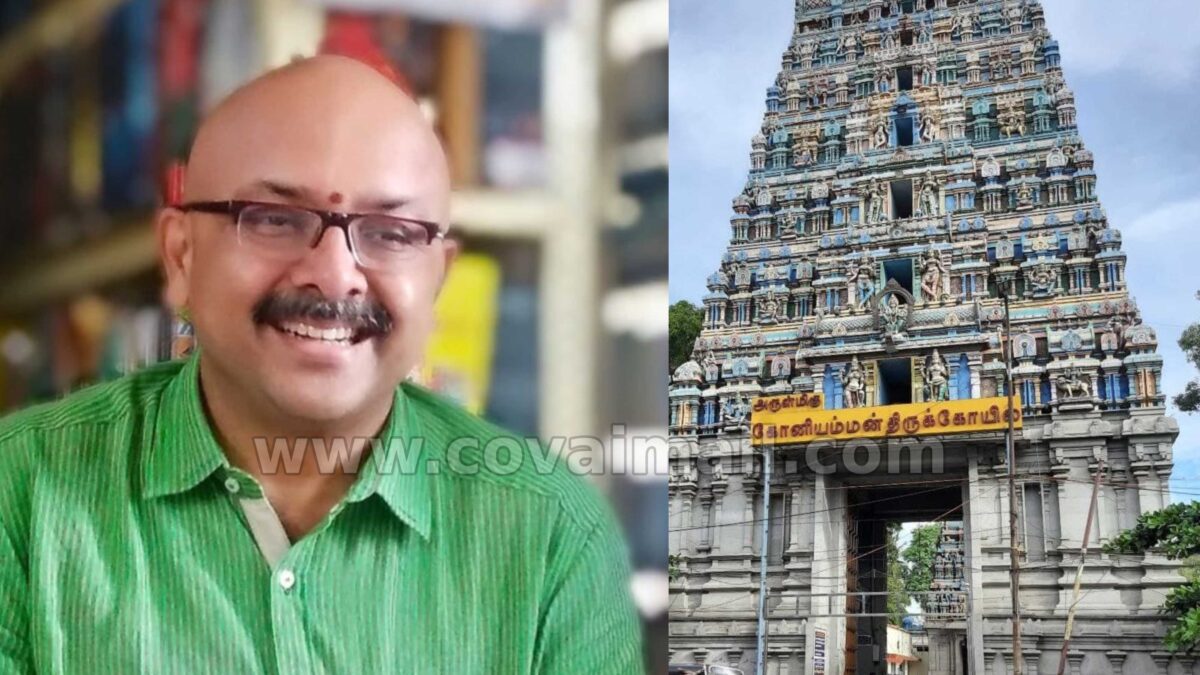
Driven by a deep love for both history and his hometown, Coimbatore’s own historian, writer, and orator, Rajesh Govindarajulu, has spent decades compiling the district’s past; becoming the go-to authority for anyone looking to hear, read, or learn about this vibrant region.
As the district celebrates its 222nd Coimbatore Day, The Covai Mail spoke with Mr. Govindarajulu to gather his reflections on the city, the significance of the day, and what inspired his lifelong passion for history.
How did Coimbatore come to be?
Coimbatore began as a network of villages, originally known as Kovanpatti and Koniyamman Pudur before evolving into its modern name. In the 18th century, the region came under the Kingdom of Mysore, ruled by Hyder Ali and later Tipu Sultan.
Following the Polygar Wars and the fall of Tipu Sultan, the English East India Company took control of the Salem-Baramahal and Coimbatore regions. On November 24, 1804, Coimbatore was declared the headquarters of a vast district comprising nearly 10 taluks, stretching from the Palakkad region all the way to Kollegal.
This massive district became part of the Madras Presidency. Seventy-five years ago, the renowned Tamil scholar, historian, and civic leader C.M. Ramachandran Chettiar, popularly known as Kovai Kizhar chronicled this historic milestone in his book Idhuvo Engal Kovai.
The establishment of Coimbatore as the district headquarters paved the way for the city’s first cotton and textile mill – the Coimbatore Spinning and Weaving (CS&W) Mills, established in 1888 by Sir Robert Stanes. A remarkable wave of entrepreneurial growth followed, spanning motor pumps, textile machinery, and premier educational institutions.
Over the decades, several regions were carved out of this original district: The Nilgiris in 1868, Erode during MGR’s tenure, and Tiruppur during M. Karunanidhi’s reign, alongside a small portion that became part of Karur.
What makes Coimbatore stand out?
Coimbatore is celebrated as the jewellery capital of the South and stands as the largest jewellery manufacturing hub across the southern states. Often called the Southern City of Lakes, it also boasts educational and medical facilities that are second to none.
The city has proven its industrial strength across MSMEs, retail, automobile ancillaries, spare parts, and the defence supply chain. Above all, it is hailed for its relentless entrepreneurial spirit and a deep-rooted culture of community service that thrived long before Corporate Social Responsibility (CSR) became a legal mandate.
What do you wish for Coimbatore?
This marks the 222nd Coimbatore Day, and this year holds special significance because it falls on a Tuesday – a day sacred to the Tamil deity Murugan and coincides with the lighting of the Karthigai Deepam. Kovai Kizhar once noted in his writings that this region symbolizes a Manvilakku, or a Karthigai Deepam.
I wish the people of Coimbatore a very happy Coimbatore Day. Looking ahead, we must prioritize sustainable development through proper waste segregation, tree planting, noise pollution reduction, the rejuvenation of water bodies, and the restoration of the River Noyyal.
I also hope to see the approval of a metro rail project, the swift execution of the airport expansion, effective traffic management for congestion-free commutes, and accessible, high-quality education and skill development for all.
What led you to become a historian?
My fascination with history began in childhood. Right from my school days, I loved studying not just local and regional history, but national and international history as well. It was always my favourite subject. I firmly believe that Chronology is the eye of history, and it must always follow a clear, logical thread.
On this historically significant day, I urge my fellow citizens to explore their own family histories because family is the first social unit which becomes part of a city and the country. This is how I started.
I used to ask my great grandfather P.A.Raju Chettiar endless questions about the past. Soon, I learned that he was the one who put Coimbatore on the jewellery map of the world. Alongside him, several distinguished elders of the city frequently shared stories of bygone days, sparking my curiosity and inspiring a lifelong fascination with uncovering Coimbatore’s rich heritage.