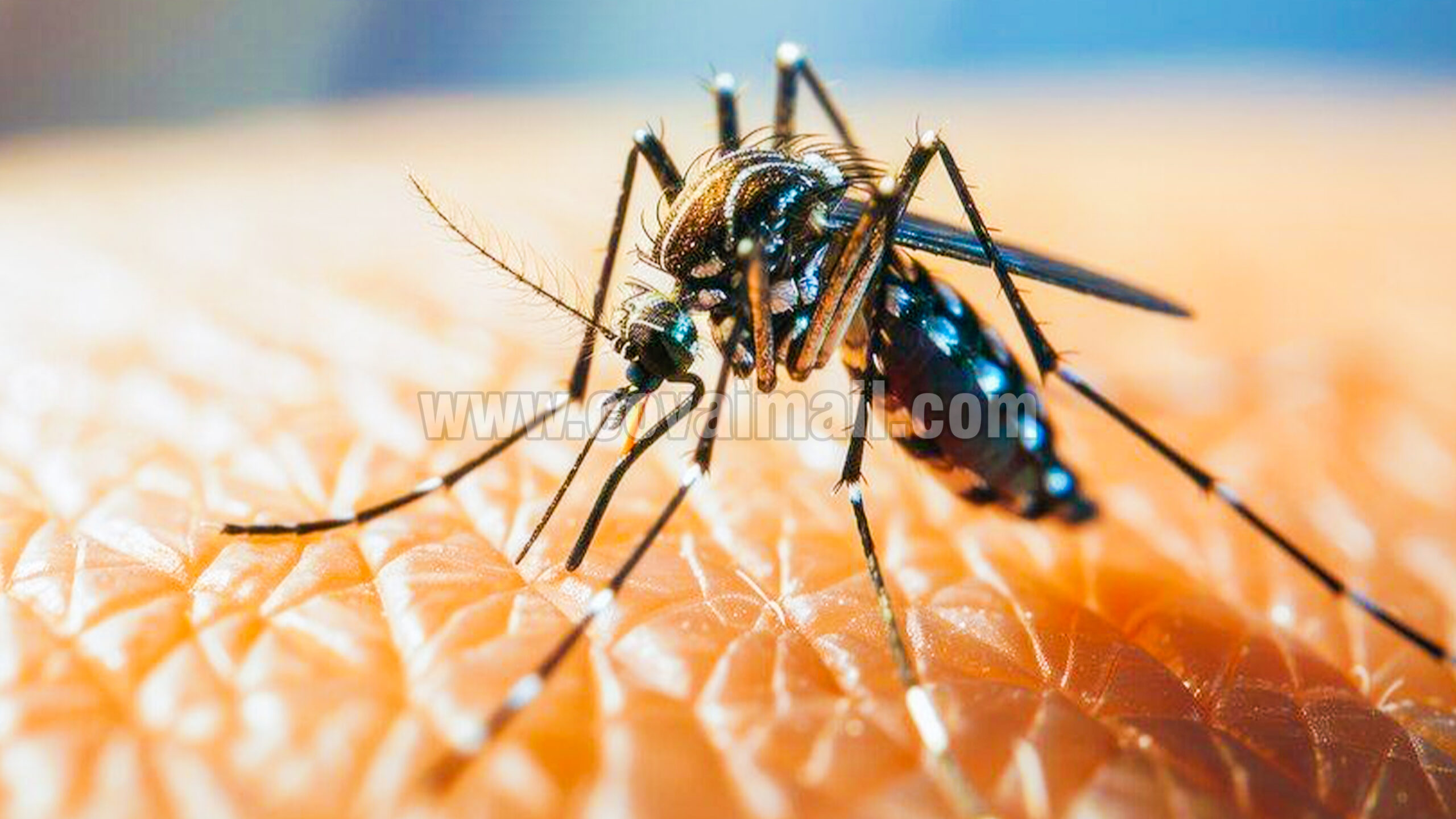

Every year National Dengue Day is observed on 16th May across the country to initiate pre-monsoon preventive activities.
India accounts for nearly one third of the global dengue burden, with transmission rising elevenfold over the past two decades. Dengue is endemic across most parts of India and periodically causes annual outbreaks, with cases reported from nearly every region.
It has now become perennial (year-round) in southern and western parts of India. It is now being reported beyond traditional monsoon months and in previously low risk areas, including higher altitude regions such as Himachal Pradesh and parts of the Northeast. The scale of risk is expected to grow further, with an estimated 1.5 billion Indians projected to live in dengue risk zones by 2050.
Dengue can affect people of all age groups; however, certain groups remain highly vulnerable to severe dengue. Children under 15 account for a large share of cases and face higher risk of severe dengue due to developing immune systems.
Adults with underlying conditions such as diabetes, hypertension, obesity, and cardiovascular disease are also more likely to experience complications. In addition, India has all four dengue serotypes in circulation, meaning individuals can be infected multiple times, . with secondary infections often resulting in more severe disease and increased risk of hospitalisation.
“With dengue cases being on rise in the country we see that children under the age of 15 account for a significant proportion of cases. Dengue is caused by four different virus types, and infection with one does not protect against the others. Since all four virus types circulate in India, children who recover from dengue once remain vulnerable to reinfection and more serious illness in the future,” Coimbatore, Clinic for Children Senior Consultant Pediatrician Nandhini Kumaran said.
“In fact, severe dengue remains one of the leading causes of pediatric hospital admissions with some cases being life-threatening. Parents need to take dengue disease seriously even if their child has had the infection once and be extra cautious with the symptoms as children may find it difficult to express their symptoms and sometimes these symptoms may resemble common viral illnesses.”
“Early symptoms like high fever, headache, pain behind the eyes, body aches, and rash should not be ignored. Also, look out for atypical symptoms like abdominal pain, vomiting and lethargy. Early diagnosis and treatment can be lifesaving for children.’’
Symptoms of Dengue you should be aware of
Dengue symptoms typically begin 4 to 10 days after a mosquito bite and may include high fever, severe headache, pain behind the eyes, muscle and joint pain, nausea, vomiting, and rash. While many cases are mild, warning signs can appear as the fever subsides and should not be ignored.
These include severe abdominal pain, persistent vomiting, bleeding from the gums or nose, extreme fatigue, restlessness, and blood in vomit or stool. If not treated on time, severe dengue can be life-threatening in up to 20 percent of cases, and may lead to complications such as fluid leakage, Dengue Shock Syndrome, and multi organ failure, placing additional burden on families and healthcare system.