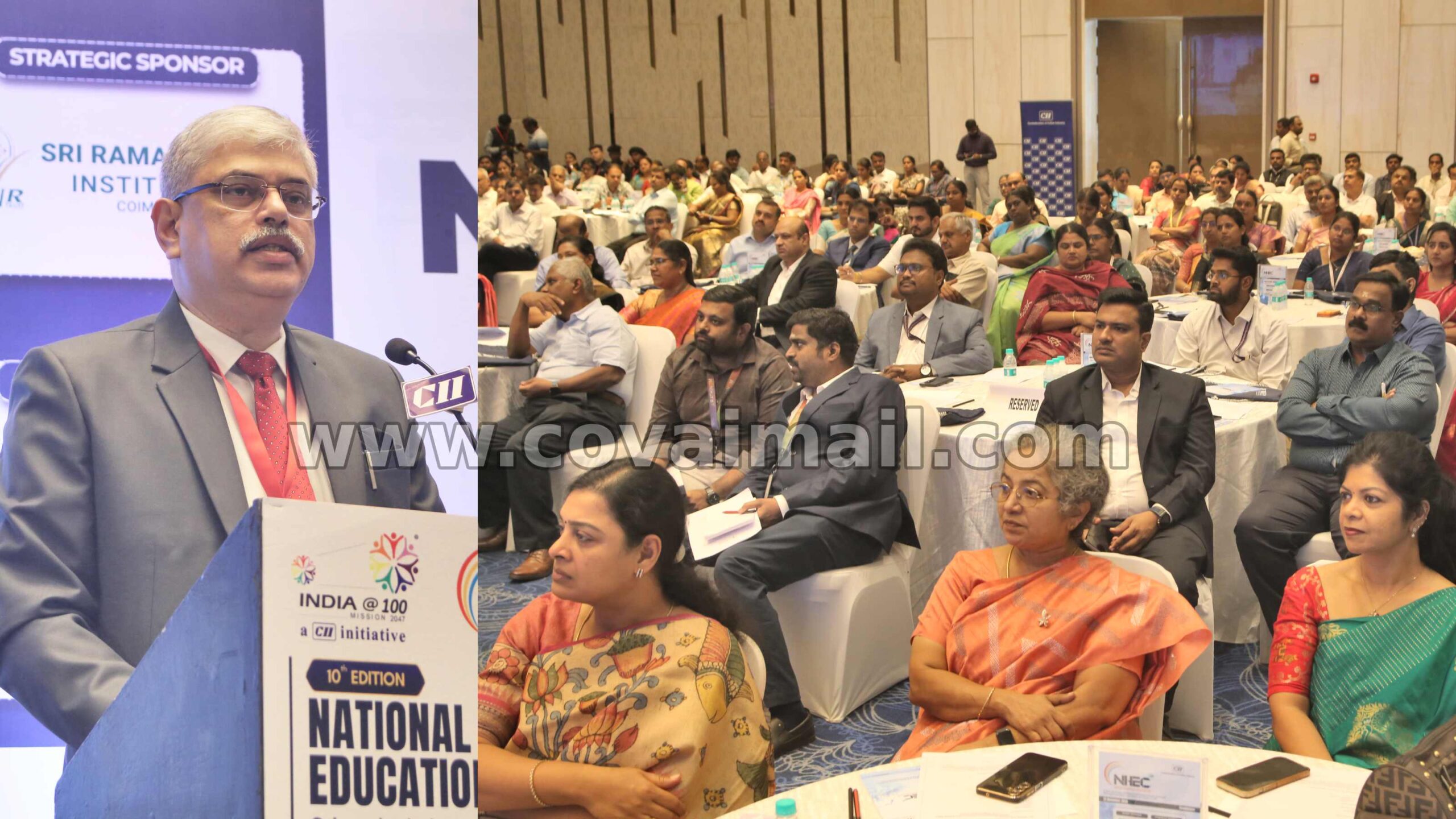


The Board of Studies in higher educational institutions should operate with the speed of tech-startups. Updating curricula in institutions should take place in months and not in decades. Continuous upskilling of faculty in AI, ethics and interdisciplinary teaching-learning methods should not be compromised at any cost, said Prof.Parag Kalkar here on Saturday.
He shared this while delivering the 10th Edition of National Higher Education Conclave held
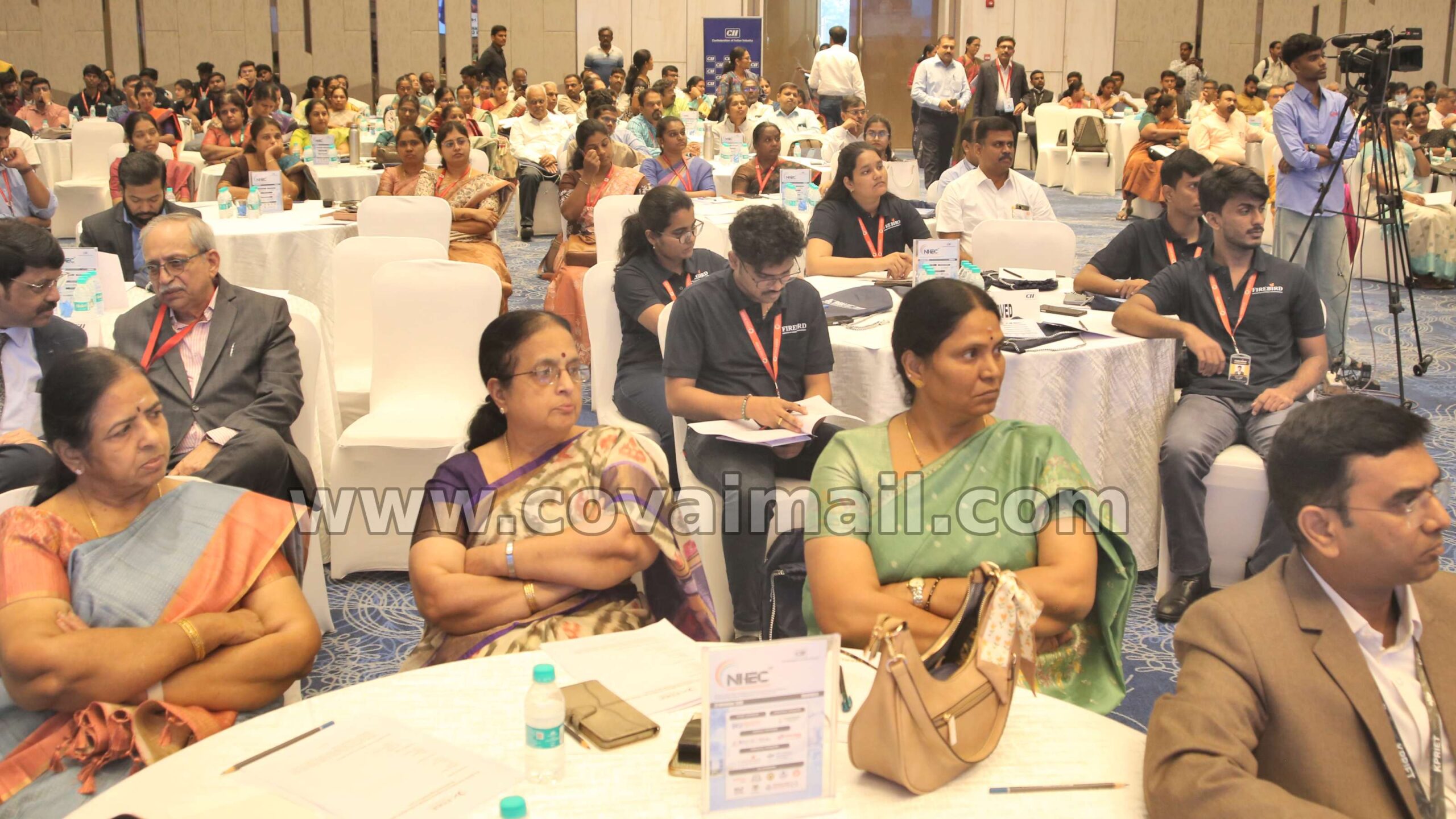
on the theme ‘Cyber-Physical, Intelligent and Autonomous Systems – Reimagining Higher Education for Industry 5.0’. Academic Heads, Industry Veterans, Policy Makers joined the program.
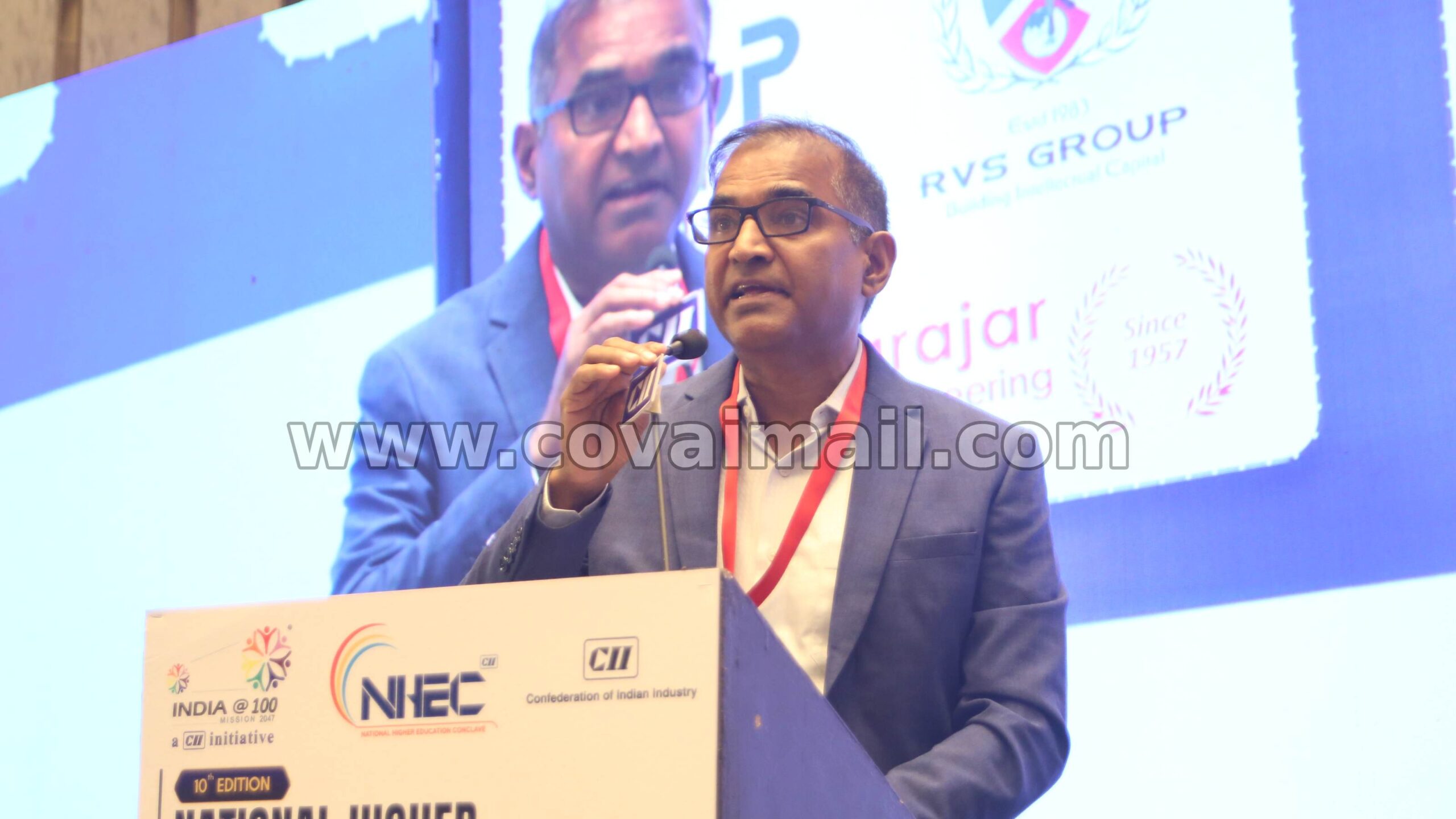
Mahalingam Ramasamy, Vice Chairman, CII Coimbatore in his address opined that A.I. is taking away software and IT-related jobs and further stressed that higher educational institutions have the responsibility to make students acquire skills needed for the jobs of the future. For this, institutions need to deepen their industry-academia ties and invest in research.

Senthil Ganesh, Former Chairman of CII Coimbatore expressed that the future is going to be all about cyber-physical systems (CPS), and academics should prepare students for it. He underlined the importance of learning physics at the event, and recalled how a major, American tech wizard of the 21st century placed emphasis on the subject over software or coding, because of his firm belief that the next major wave of AI depends very much on understanding real-world physics.
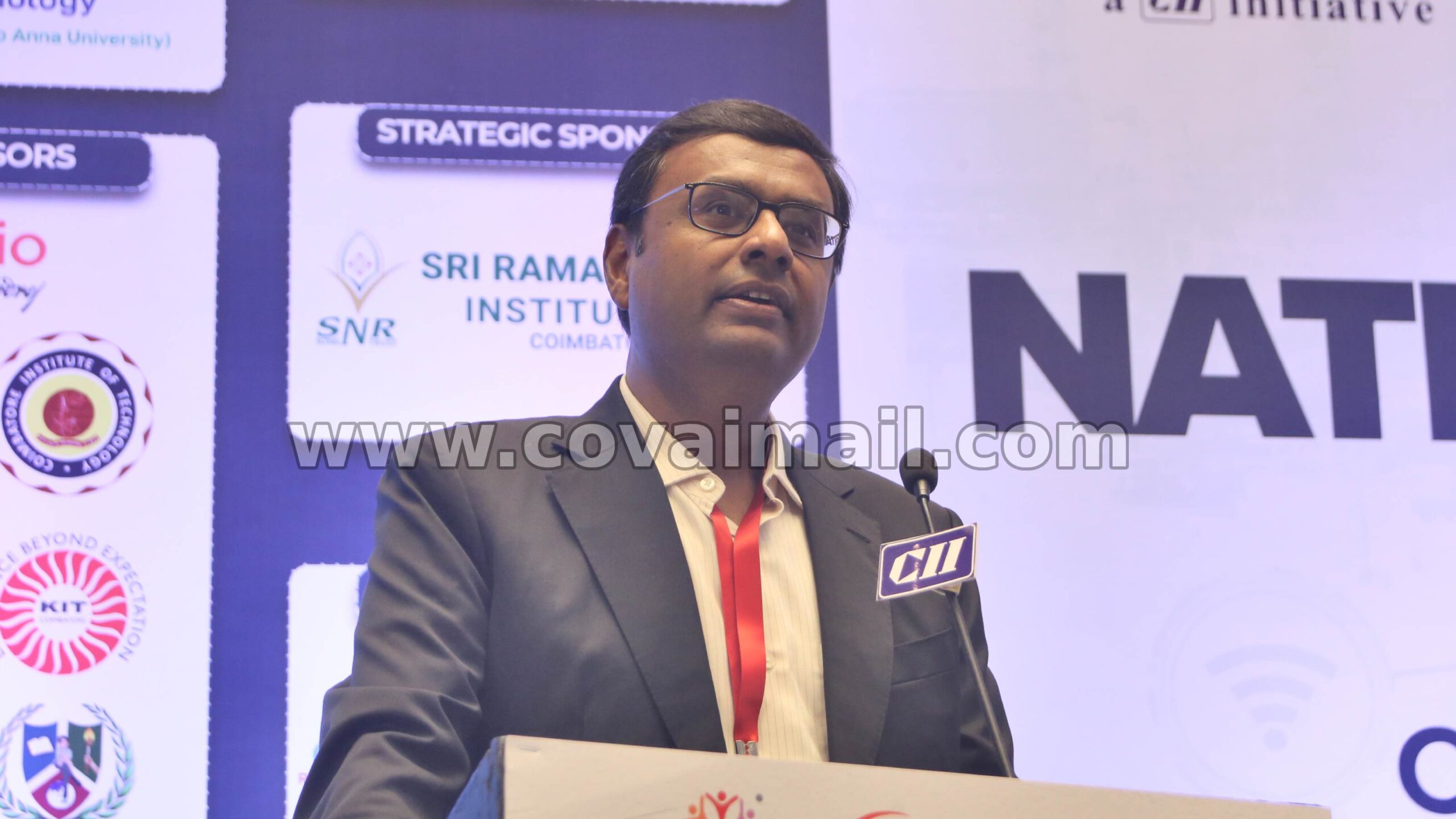
Smart Manufacturing, Mobility (automated cars), Healthcare (robotics and remote surgery), Construction (smart buildings), Agriculture have started to embrace CPS for efficiency, and students need to learn about them if they were to be ready for the future, he opined.
Delivering the inaugural address, Prof. Parag Kalkar raised an important question about today’s higher education system.
“When cyber-physical, intelligent, and autonomous systems are redefining how the world works, how must higher education institutes reimagine themselves, so our graduates are not replaced by the technology, but empowered to lead the technology? Understanding this shift from automation to human-centric autonomy is more important,” he said.
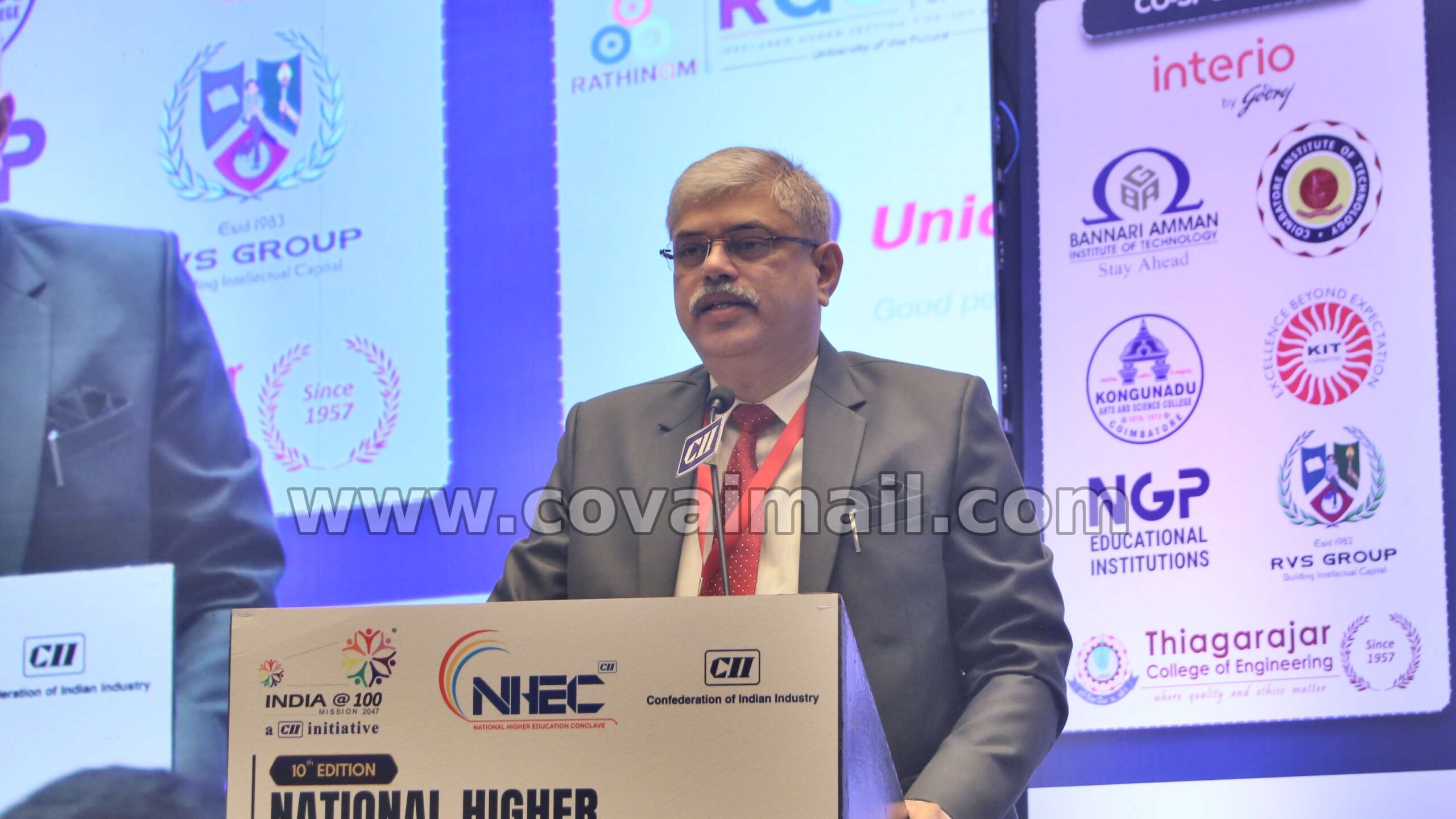
Prof.Parag opined that memorization of formulas and the usual way will not work in the future because students trained in that aspect will be in direct competition with AI when they land in jobs for these tasks.
Hence, experiential and multi-disciplinary learning should be embraced. A mechanical engineer in Coimbatore must understand edge AI and digital twins. A management graduate must understand algorithmic governance and blockchain fundamentals, and a humanities scholar must engage with human-machine interaction.
He asserted that this generation do not need academics to protect them artificial intelligence; they need institutions to make them intellect to handle the future aspiration of the country.