

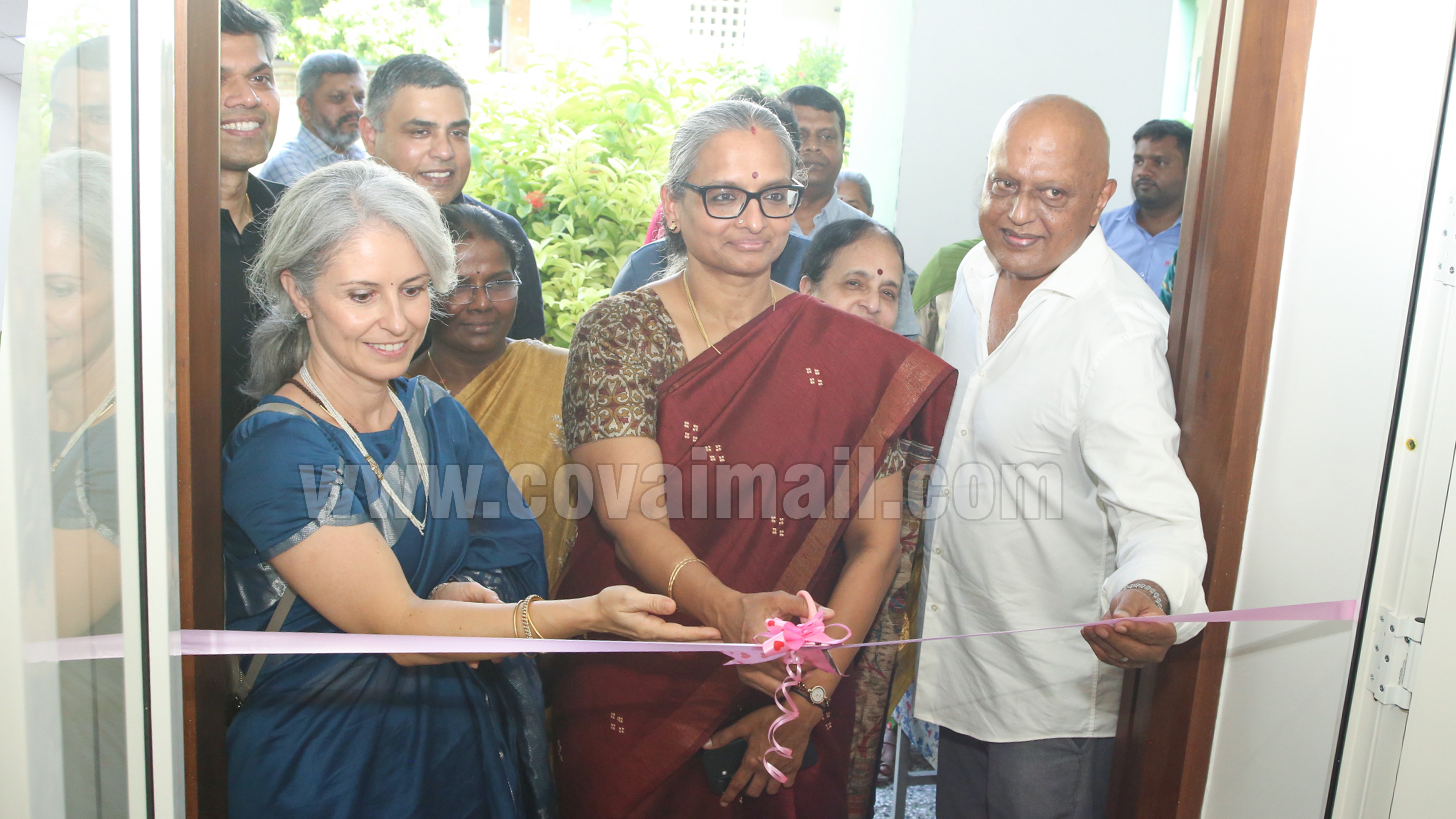
Coimbatore Institute of Technology (CIT) inaugurated CRANE (Centre for Research and AI-Native Engineering) today, an initiative aimed at preparing students to become future-ready AI engineers equipped to meet the evolving demands of the technology industry.
The centre was inaugurated by the chief guest, Sukanya, an alumna of CIT and Chief Transformation Officer at Tata Technologies, along with Santossh, Managing Trustee, Chairman and Correspondent of CIT Institutions.
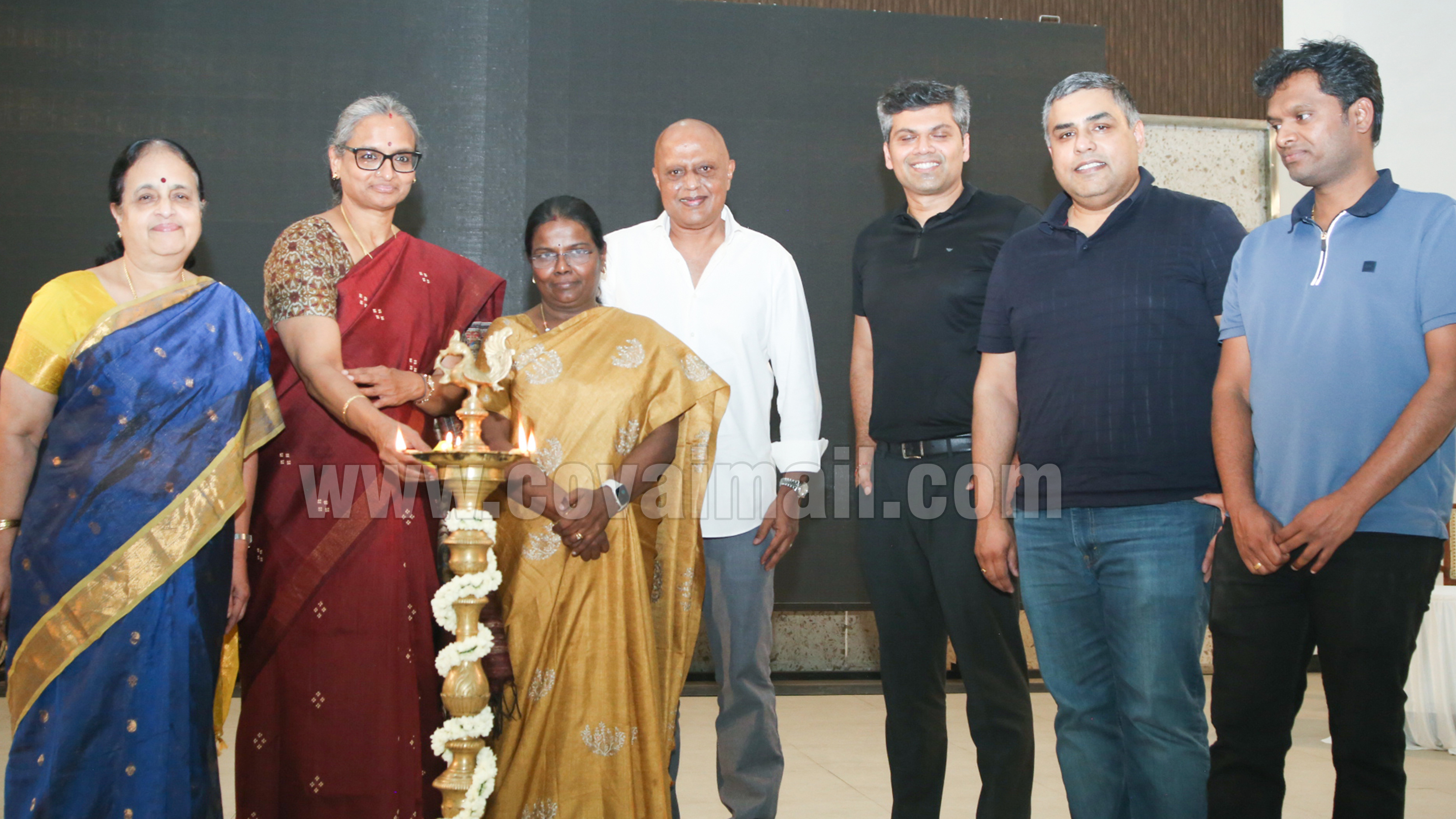
The inauguration was attended by three distinguished alumni of CIT, who also serve as members of the institution’s AI Board: Ashwin Bharat, CEO of Galent and Founder and Chairman of Revature; Rajesh Rajagopalan, CTO of Winer and Co-Founder of PeerIslands; and Ayyappan Purushothaman, Principal Solutions Architect (AI/ML Infrastructure) at Neo Cloud Startup.
Representing CIT, Alamelu, Chief Academic Officer of CIT Institutions, and Rajeswari, Principal of CIT, were also present at the inauguration.
In her inaugural address, Sukanya highlighted how artificial intelligence is reshaping industries, redefining engineering practices, and creating new opportunities for innovation and responsible technological development.
She appreciated CIT’s visionary initiative in establishing CRANE as a forward-looking platform that bridges academic learning with emerging industry requirements and promotes AI-driven research across disciplines.
She also extended her best wishes to the CIT management, faculty, students, and the CRANE team for the successful establishment of the centre and its future endeavors.
Fear of losing jobs due to AI is good
– Sukanya, Chief Transformation Officer, Tata Technologies
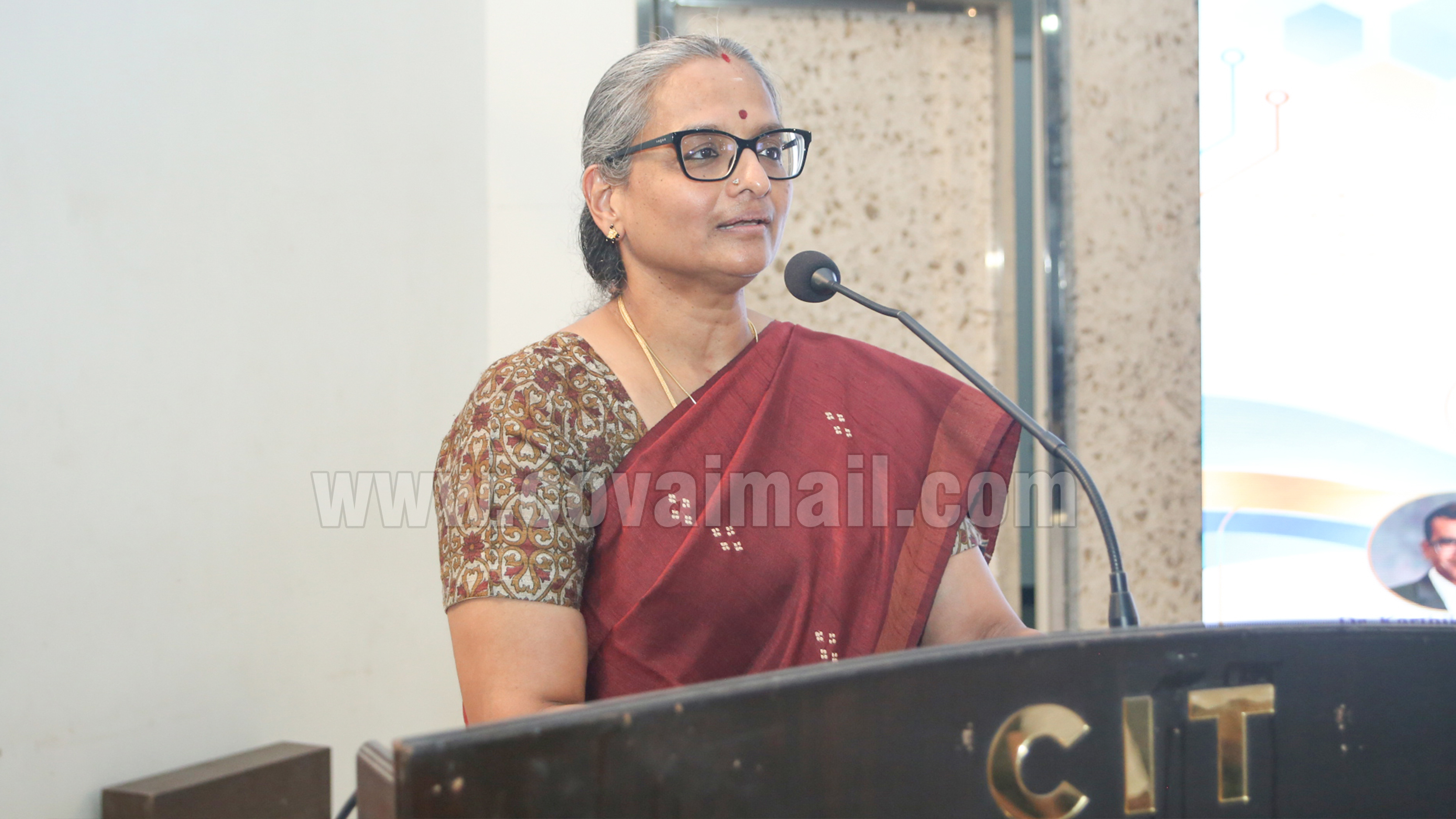
In her inaugural address, Sukanya said that the fear of losing jobs due to the arrival of AI is good among students, as it motivates them to upskill themselves. She added that we also have those fears. Addressing the students, she said, “You guys need to have the fear of how the world is changing.”
She emphasised that we have to constantly reinvent ourselves. It is important to reflect on AIs impact. These challenges are being experienced across the world, across all domains and industries. Every student faces challenges posed by AI. Therefore, students must make effective use of this establishment.
She added that cybersecurity threats will increase exponentially with AI and encouraged students to make use of CRANE to address these threats.
She appreciated CIT’s visionary initiative in establishing CRANE as a forward-looking platform that bridges academic learning with emerging industry requirements and promotes AI-driven research across disciplines.
AI has changed the way I make decisions
-Santossh, Chairman, CIT
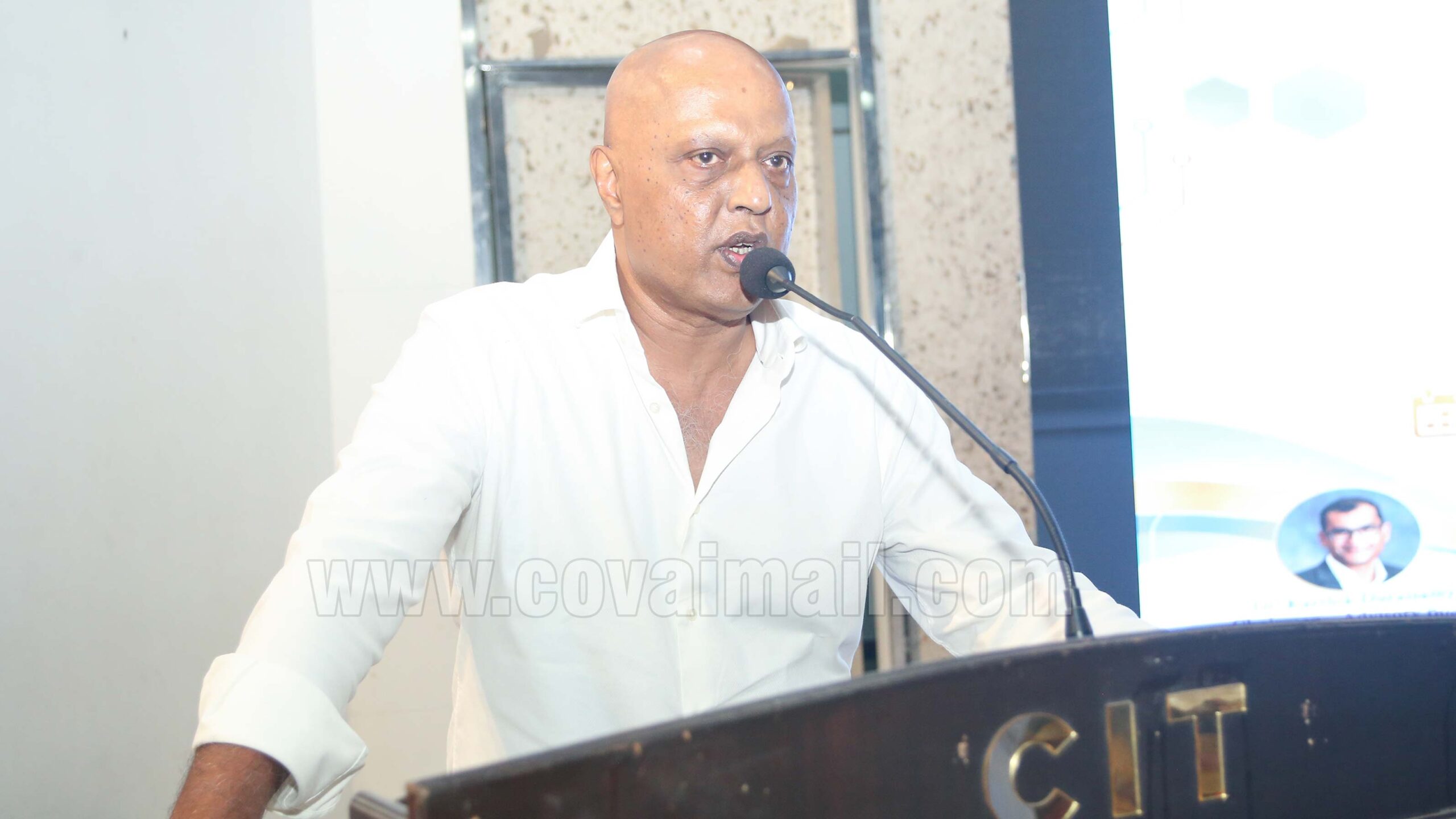
Addressing the students, Santossh said that securing the highest marks alone would not guarantee the best job or a successful startup. What matters is the ability to apply knowledge, solve problems, innovate and more. He encouraged students to apply their knowledge to solve problems and come up with innovative ideas, stating that this would give them a greater chance of success.
He further highlighted that AI is a new dimension in this journey. Sharing his personal experience, he said, “At this age, AI has transformationally changed the way I take decisions. AI has helped me gain more knowledge.”
He concluded by emphasising that AI is a powerful tool that helps individuals relearn and unlearn.
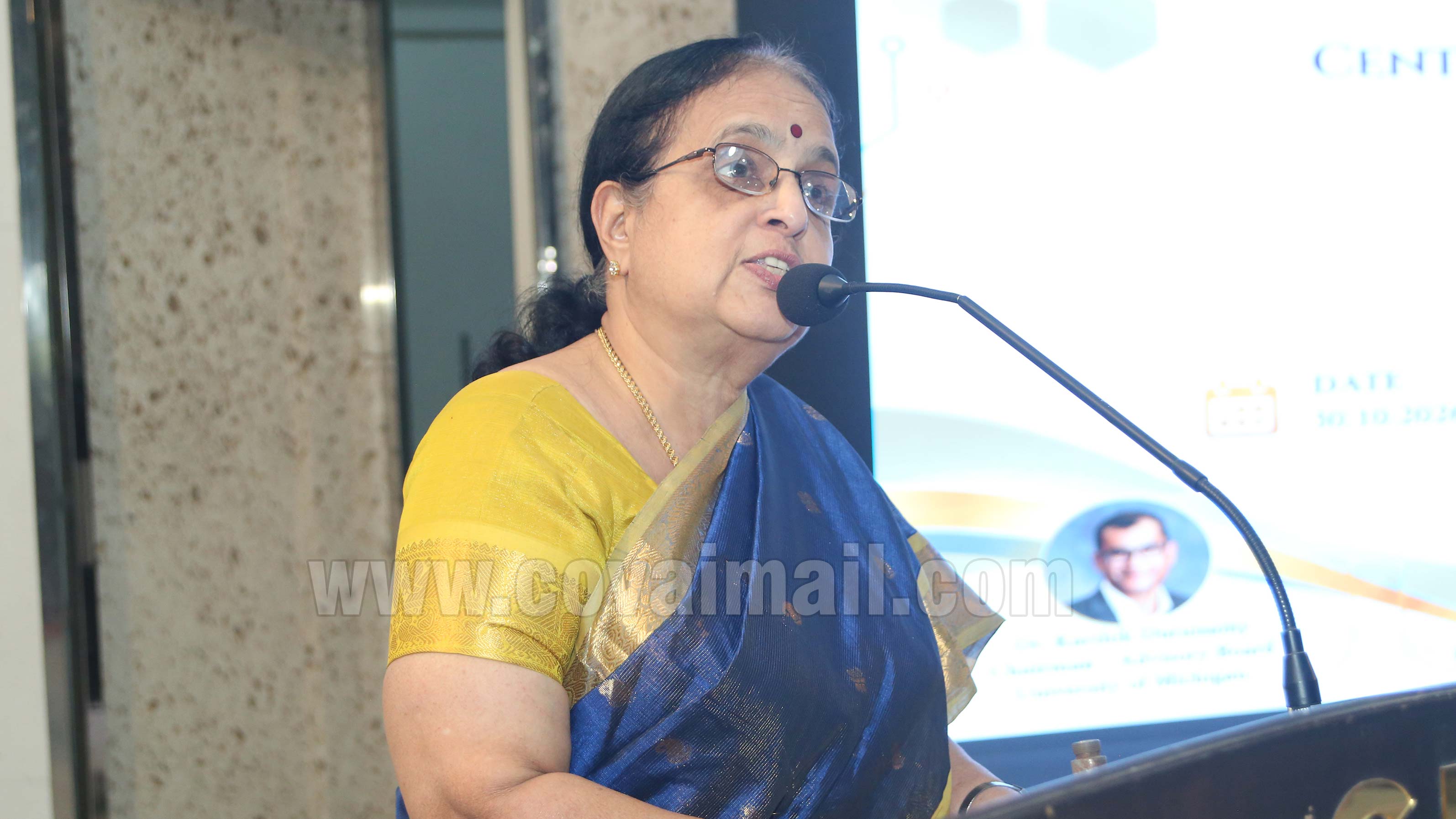
Preparing students for future AI-related roles
Alamelu, Chief Academic Officer, CIT
In her address, Alamelu said that CRANE had been established to prepare students for future AI-related job roles. For this purpose, 25 faculty members had received special training. She added that the institution aims to prepare students to meet industry expectations by the time they complete their courses.
She further stated that the AI programme would be integrated into all regular programmes. Addressing the students, she said, “You are the AI engineers. Make use of these opportunities.”
CIT’s AI Consortium
As part of this initiative, CIT has established an AI Consortium comprising four distinguished alumni as members of its Advisory Board.
The consortium is chaired by Karthik Duraisamy, Arthur Modine Professor of Engineering and Director of the Michigan Institute for Computational Discovery & Engineering (MICDE), University of Michigan, Ann Arbor, and Founder and Chief Scientist of Geminus.AI. The other members of the Advisory Board are Ashwin Bharat, CEO of Galent and Founder and Chairman of Revature; Rajesh Rajagopalan, CTO of Winer and Co-Founder of PeerIslands; and Ayyappan Purushothaman, Principal Solutions Architect (AI/ML Infrastructure), Neo Cloud Startup.
The consortium will play an important role in providing strategic guidance, strengthening industry connections, and supporting the development of an AI-focused academic and research ecosystem at CIT.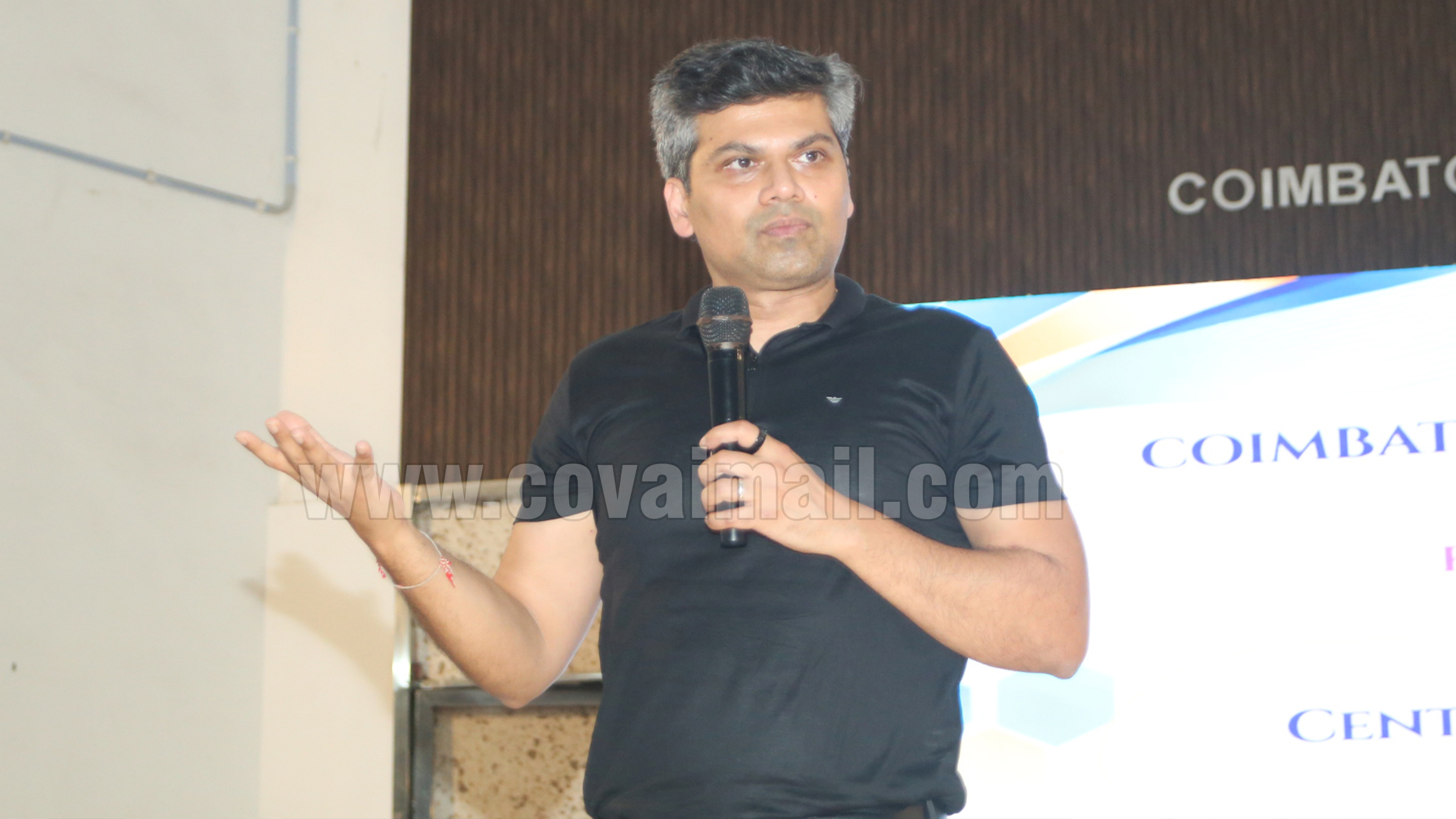
AI Courses
A key highlight of this initiative is the introduction of industry-oriented artificial intelligence courses, including “Foundations of Responsible AI Engineering” and “Reliable AI Systems: Design, Test, and Deploy,” for nearly 750 CIT students.
These courses are designed to equip students with practical knowledge of emerging AI technologies, real-world problem-solving capabilities, and hands-on experience with industry-relevant tools and platforms.
The curriculum emphasizes application-driven learning, responsible AI practices, and the development of reliable AI systems, enabling students to acquire competencies essential for industry readiness.

CIT-CRANE AI Laboratory
The newly established CRANE AI Laboratory provides a dedicated environment for experiential learning, practical experimentation, collaborative project development, and research in artificial intelligence.
The laboratory is envisioned as an integrated platform where students and faculty members can explore AI-based applications, develop prototypes, conduct experiments, and engage in industry-oriented problem-solving activities. Its infrastructure is intended to support AI-enabled software development, computational experimentation, collaborative learning, and the implementation of innovative projects. The laboratory will also facilitate faculty development initiatives, student research activities, industry-sponsored projects, and interdisciplinary collaboration.
An important objective of CRANE is to promote Artificial Intelligence across all engineering and technology disciplines, extending its benefits beyond Computer Science and Information Technology.
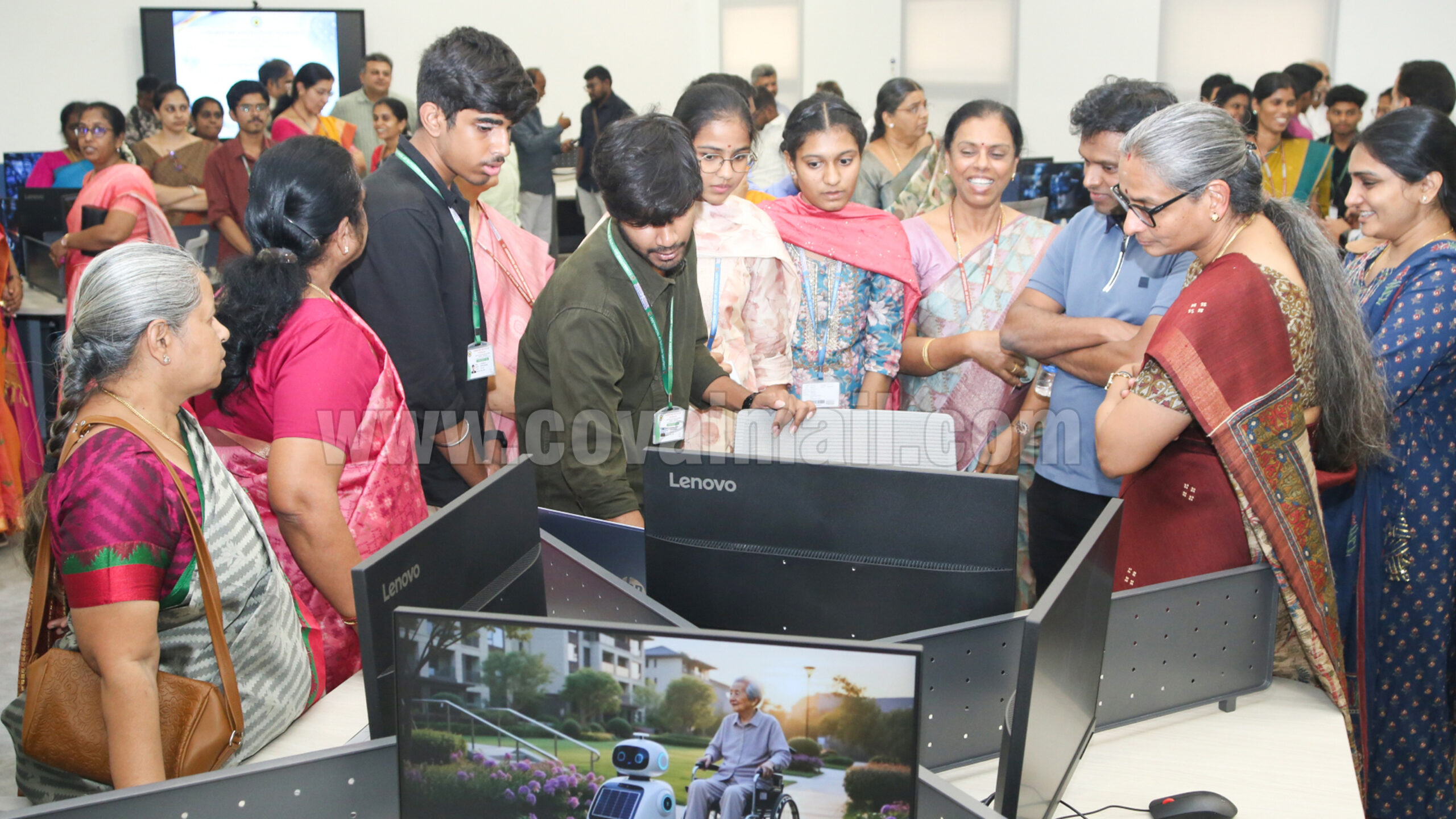
The centre aims to encourage students and faculty members from various departments to integrate AI techniques into their respective domains, including mechanical engineering, civil engineering, electrical and electronics engineering, electronics and communication engineering, chemical engineering, and other allied disciplines.
By fostering multidisciplinary collaboration, CRANE seeks to enable the development of intelligent solutions for challenges in manufacturing, healthcare, infrastructure, energy, automation, sustainability, and other emerging application areas.
The centre is also expected to strengthen collaboration among students, faculty members, alumni, researchers, and industry professionals through joint projects, knowledge sharing initiatives, technical mentoring, and research activities.
By encouraging students to work on practical challenges drawn from diverse engineering domains, CRANE aims to promote innovation, entrepreneurship, critical thinking, and the development of industry relevant solutions.