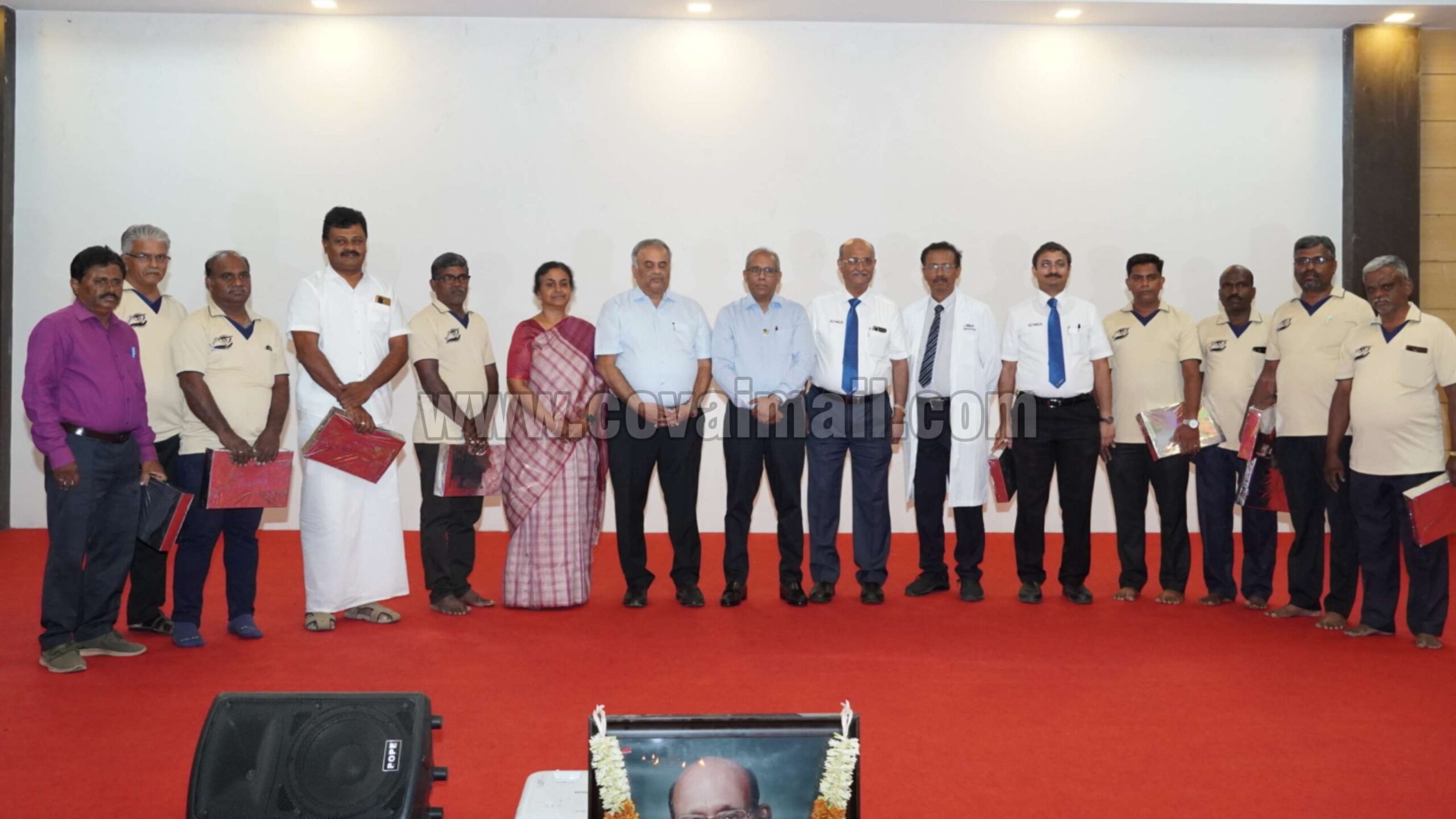
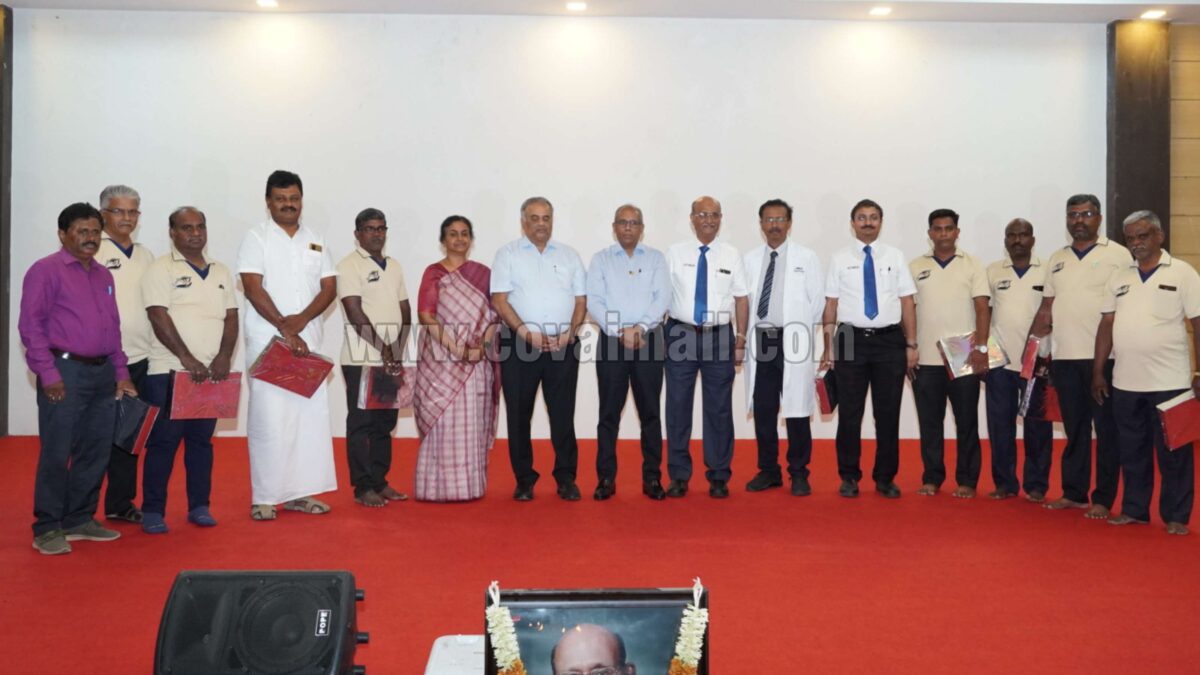
Ganga Hospital marked a significant milestone recently by organizing a special gathering to commemorate 400 successful skin donations, underscoring the life-saving impact of its skin bank initiative.
The Ganga Skin Bank, established in 2015, is currently among the most active in South India. It has supported 308 patients so far and supplied skin for 124 patients across 32 hospitals in 20 cities.At Ganga Hospital alone, skin has been utilised for 184 patients.
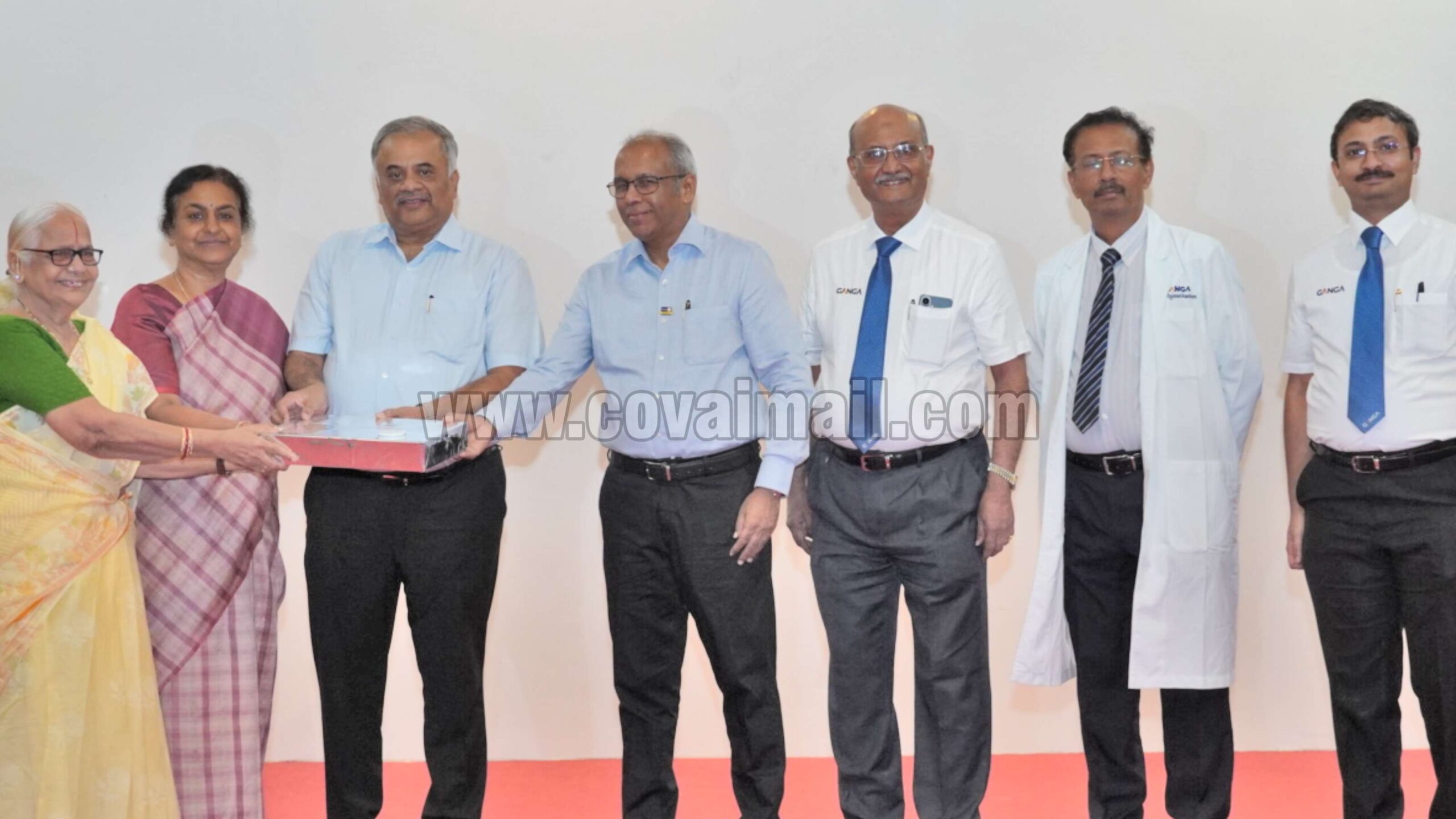
Dr.Kalpana Narendran, Chief of Cataract Services and Dr.Narendran, Chief Medical Officer, Aravind Eye Hospital took part as the Chief Guests of this Thanksgiving event while Shailendra Bhansali, President of Rotary Club of Coimbatore – Metropolis took part as the Guest of Honor.
Dr. Rajashanmugakrishnan, Consultant Plastic Surgeon, Ganga Hospital explained that both skin and eyes can be donated within six hours of death.
With a preservation period of up to 5 years, no donated skin goes to waste, and it can be transported by air or road when required. As skin must be retrieved within six hours of death, the hospital operates a 24-hour skin bank service, with retrieval teams mobilised within 30 minutes of receiving a call to +914224250000.
He added that donations can be carried out at the donor’s residence, hospital, or mortuary, with trained teams responding promptly, and clarified that the procedure is performed respectfully without causing bleeding or visible disfigurement.
During the event, one of the Chief Guests, Dr.Kalpana Narendran said that, in terms of organ donation in India, Tamil Nadu is leading the way.
“We are one of the best states in the country for organ donation. However, there is still a need-a very significant need. I believe we at Aravind are also putting in a great deal of effort. Currently, we are working together with Ganga Hospital to focus on both skin and eye donations, and we will continue this partnership,” she said.
She also appealed the public to support this cause.
At the event, NGOs, skin bank personnel and individuals who have contributed significantly to promoting skin donation were recognised at the event.
Speaking to the press and media after the event, Dr. S. Raja Sabapathy, Head of the Department of Plastic Surgery, Ganga Hospital said, that this is a significant day for the hospital to express gratitude to the donors and their families.
“So far, we have received 400 skin donations. Skin donation is similar to eye donation; after a person passes away, there are only two organs we can donate: one is the eyes, and the other is the skin.”
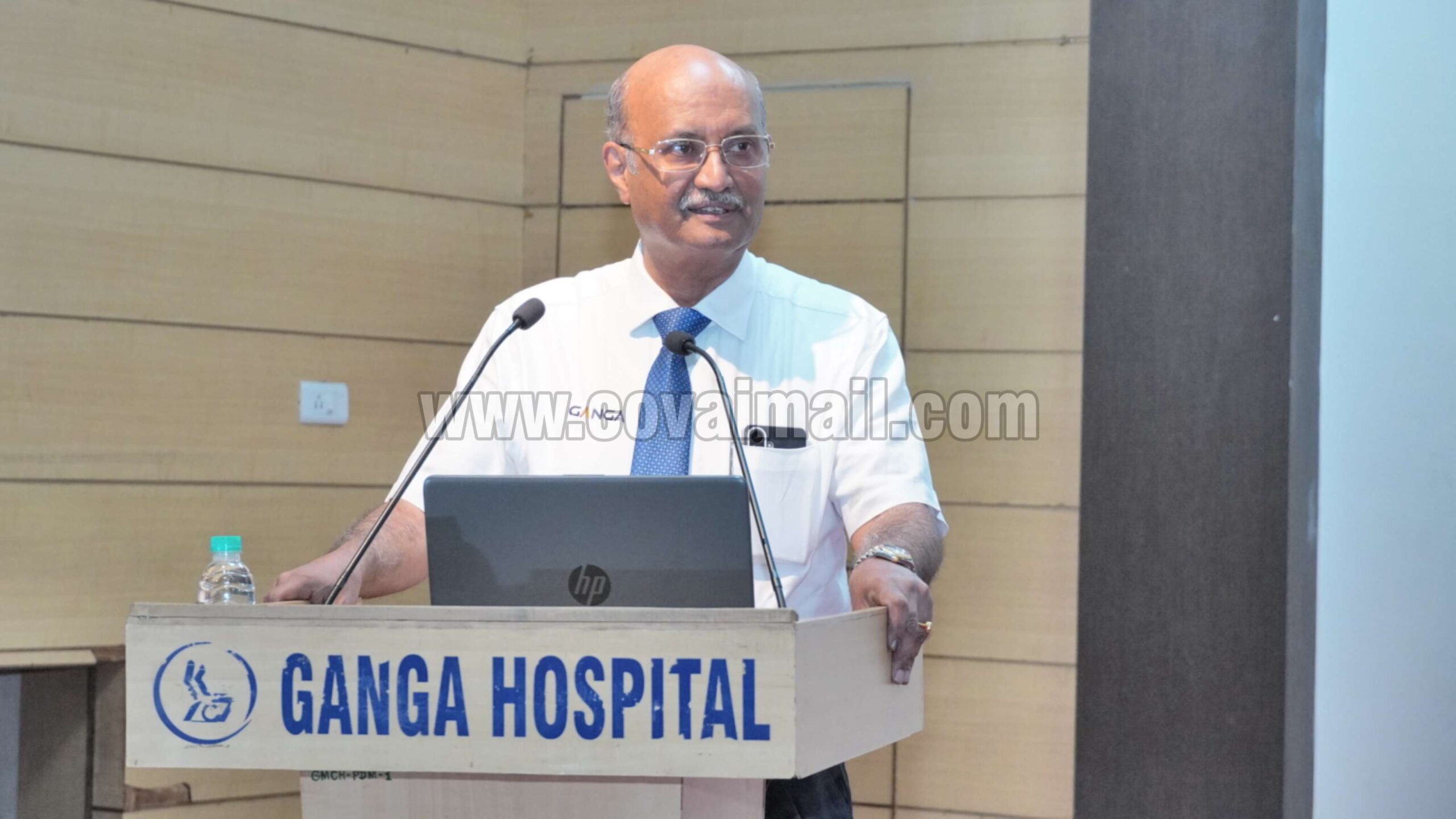
“This is used in cases of major burn injuries. For example, if someone suffers 30% to 40% burns, that skin needs to be replaced. If a person has 40% burns, we cannot take another 40% from their own body. In those critical moments for survival, as a temporary measure until the patient’s own body recovers, we use skin from the bank to cover them and prevent infections.”
“We started this in 2015, and it began functioning in 2016. It is one of the most active skin banks in South India. Because we have a large burns unit here, there is a consistent need, and we are able to utilize the donated skin effectively.”
“At present, we receive about 50 donations a year. When we started, it was only 10, and now it has reached 50. To put this in perspective, anyone who can donate eyes can also donate skin. If you look at a large eye hospital like Aravind Eye Hospital, they handle 1,000 to 1,200 eye donations a year, but skin donations are only at 50. The percentage is very low. This is because there needs to be more awareness among the public. That is the purpose of this press meet. The service of these donors is a magnificent one.”
“Anyone over the age of 18 can donate after they pass away. We only harvest the skin after death; we do not take it from living individuals. Whether at home, the hospital, or the mortuary, our team will come directly to the location. All you need to do is call Ganga Hospital and provide the location and a contact number. We have a team ready 24/7, 365 days a year. Within 10 to 15 minutes of the call, the team will depart. If we collect from a home, the process takes about half an hour.”
“There will be no visible disfigurement because the skin we take is only about 0.4 mm thick; less than half a millimeter. Furthermore, we only take it from concealed areas like the thighs and the back, so even during funeral rituals, nothing will be noticeable. While we generally don’t take donations from children, everyone above 18 years is eligible.”
“In Coimbatore, we are the only ones doing this, and this was the first skin bank in Tamil Nadu. Currently, there are about 4 to 5 skin banks in Tamil Nadu and roughly 30 to 40 across India, though some states still have none at all.”
“Unlike blood, there are no ‘groups’ for skin. After the skin is harvested, it undergoes certain processes and can be used after three weeks. During processing, group-specific characteristics disappear, so it can be given to anyone; there is no tissue typing required. It has a shelf life of five years when stored at low temperatures. We can send it anywhere; we have even sent skin to Delhi. We share our supply with about 25 to 26 hospitals across India, so there is absolutely no chance of the donation going to waste.”