
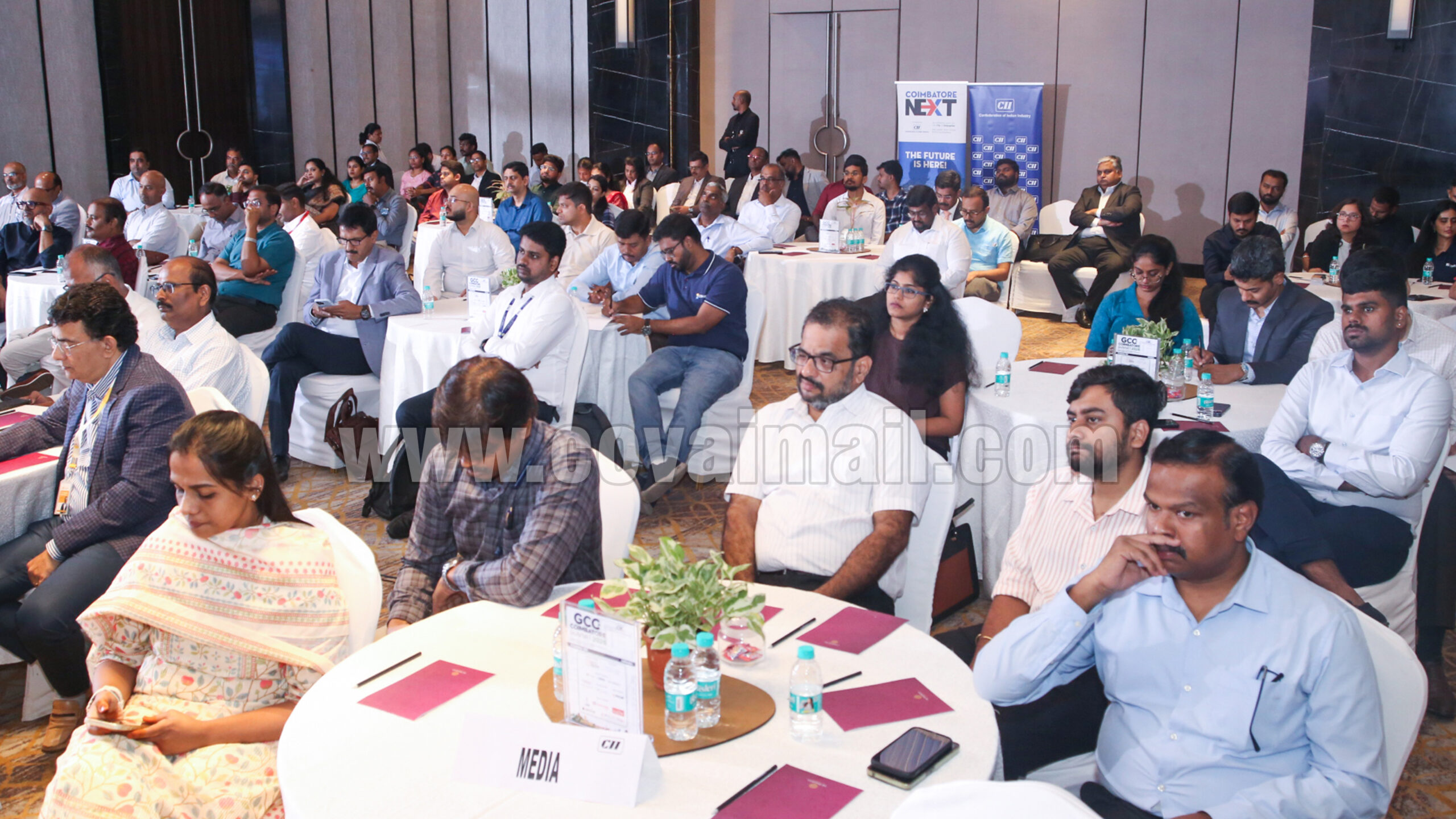
The Confederation of Indian Industry (CII) Coimbatore Zone and Coimbatore NXT jointly organised the 2nd edition of the GCC Coimbatore Summit 2026 on Friday at The Residency Towers.
The Chief Guest, Vijayakumar, Additional Chief Secretary to the Government of Tamil Nadu, Industries, Investment Promotion and Commerce Department, inaugurated the summit and delivered a special address virtually.
In his address, the Chief Guest said that Global Capability Centres (GCCs) will play an important role in Tamil Nadu’s goal of becoming a $1.5 trillion economy by 2036.
He said GCCs have evolved significantly and are no longer driven only by cost or cross-arbitrage. Today, they handle global mandates in areas such as AI, product engineering, research and development, and end-to-end (E2E) process ownership. This growth aligns well with Tamil Nadu’s strengths in engineering, technology, and advanced manufacturing.
Highlighting the economic impact of GCCs, he said they create high-income professional jobs, with every direct job estimated to generate three to four indirect jobs. GCCs also contribute to the growth of regional and rural economies.
He noted that Tamil Nadu is the only state with a dedicated GCC policy that applies across all districts. The state is also developing dedicated infrastructure and support systems for next-generation financial services and fintech-led GCCs.
He said a fintech digital hub is being planned in Coimbatore with TIDCO at a total investment of ₹400 crore, for which land has been identified. This initiative will strengthen Tamil Nadu’s position as a global hub for financial technology. He also mentioned that the state is working with the Union Government’s Quantum Mission to make Tamil Nadu a quantum-safe state, which could benefit GCCs and financial institutions.
He further said that Tamil Nadu Chief Minister Joseph Vijay had requested representatives of Starbucks and Walgreens, which recently signed MoUs to establish GCCs in Chennai, to consider hiring talent from Tier-2 and Tier-3 cities.
“Coimbatore’s greatest differentiator is its engineering DNA,” he said. Around 60% of the city’s GCC talent works in engineering, research, and development. He highlighted Coimbatore’s strong capabilities in automation engineering and manufacturing technology, supported by talented young professionals from institutions such as GCT, PSG, CIT, Amrita, Kumaraguru, and other educational institutions.
Another major advantage of Coimbatore, he said, is its quality of life, with manageable commutes, affordable housing, and a strong education and healthcare ecosystem. These advantages make the city an attractive destination for global companies looking to build long-term operations.
“A company establishing its operations in Coimbatore will receive the same policy support as it would in Chennai. Come and experience Tamil Nadu and Coimbatore, and discover the talent of Tamil Nadu’s youth,” he said.
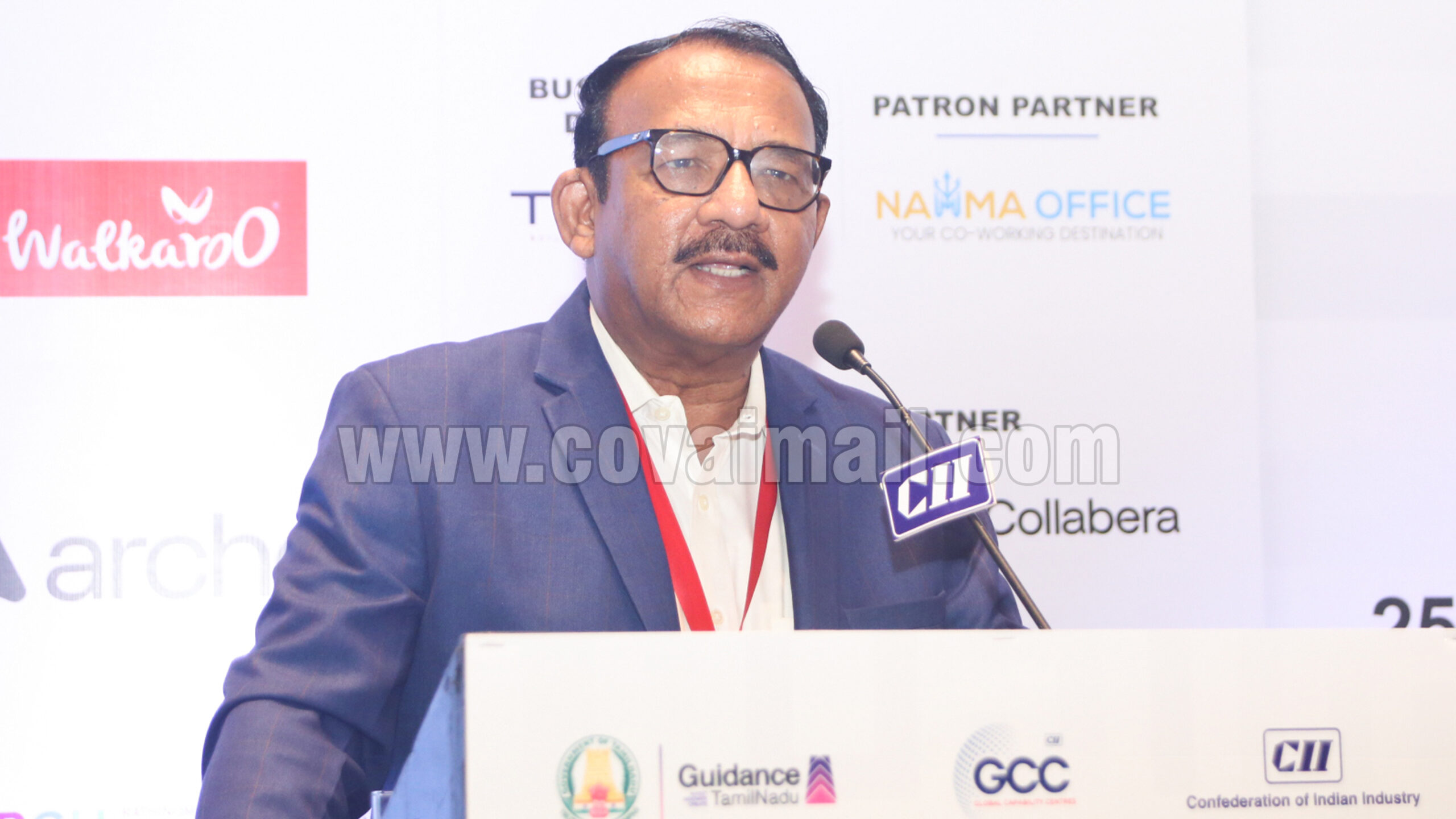
Highlighting the potential of Coimbatore’s existing industrial ecosystem, Prabhakaran, Managing Director, LG Balakrishnan & Bros, highlighted the city’s engineering talent, manufacturing capabilities, foundries, textile industries, pump and motor ecosystem and other industrial strengths. He called for greater support for companies across these sectors to build global capabilities from Coimbatore. He emphasised that the city’s established industries have the potential to become globally competitive centres of excellence in their respective domains.
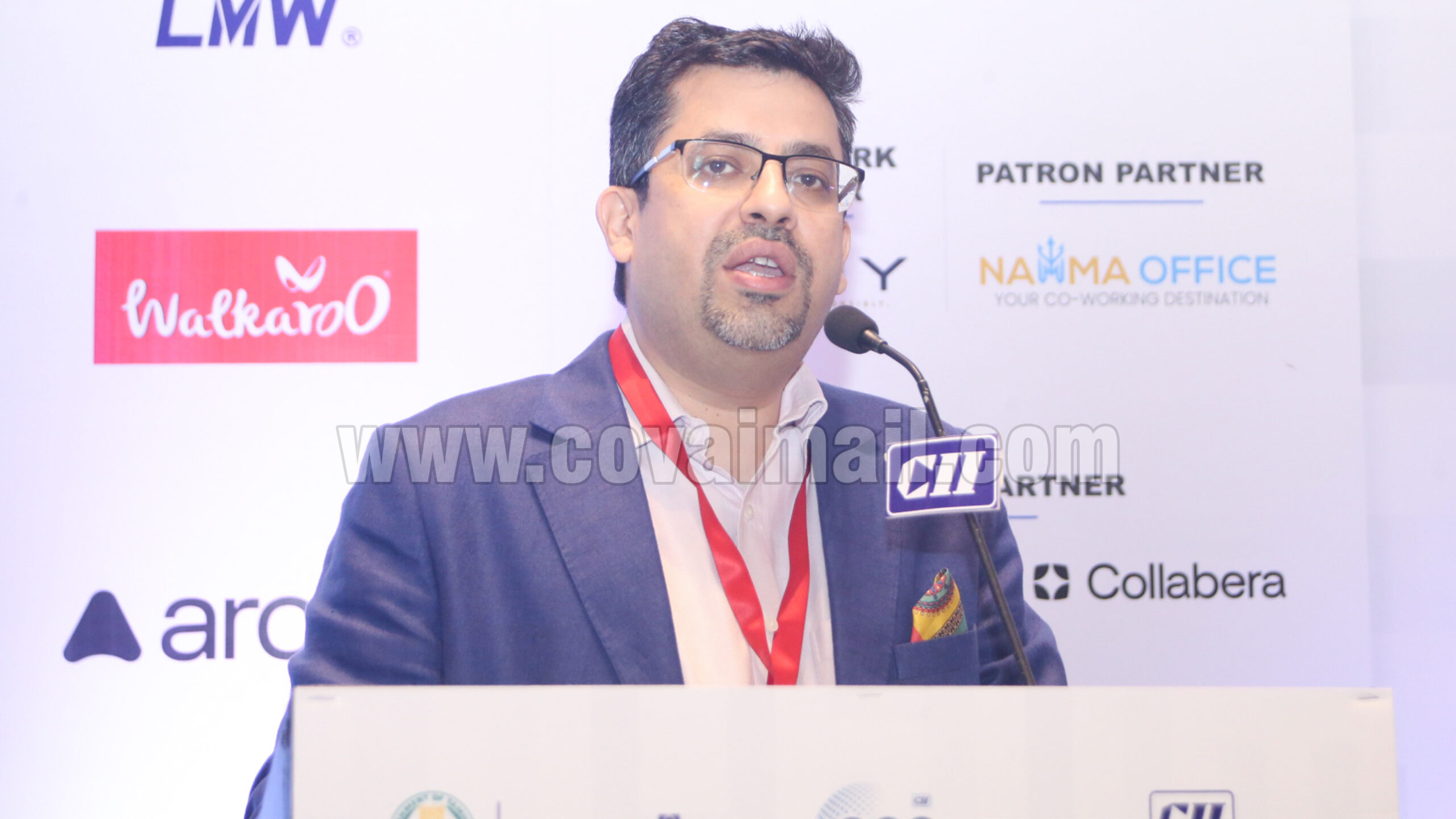
Speaking on the evolving global GCC landscape, Manoj Marwah, Leader – GCC Market, EY India, highlighted the changing factors influencing global companies in selecting locations for their next centres.
He identified Coimbatore’s proximity to established GCC hubs, existing ecosystem, engineering capabilities and ability to attract managerial talent as important advantages. He emphasised the opportunity to replicate the success of existing GCCs by attracting companies from similar sectors and strengthening specialised capabilities. He also highlighted Coimbatore’s opportunity to combine its industrial and engineering knowledge with emerging technologies such as AI and software engineering to create differentiated global capabilities.
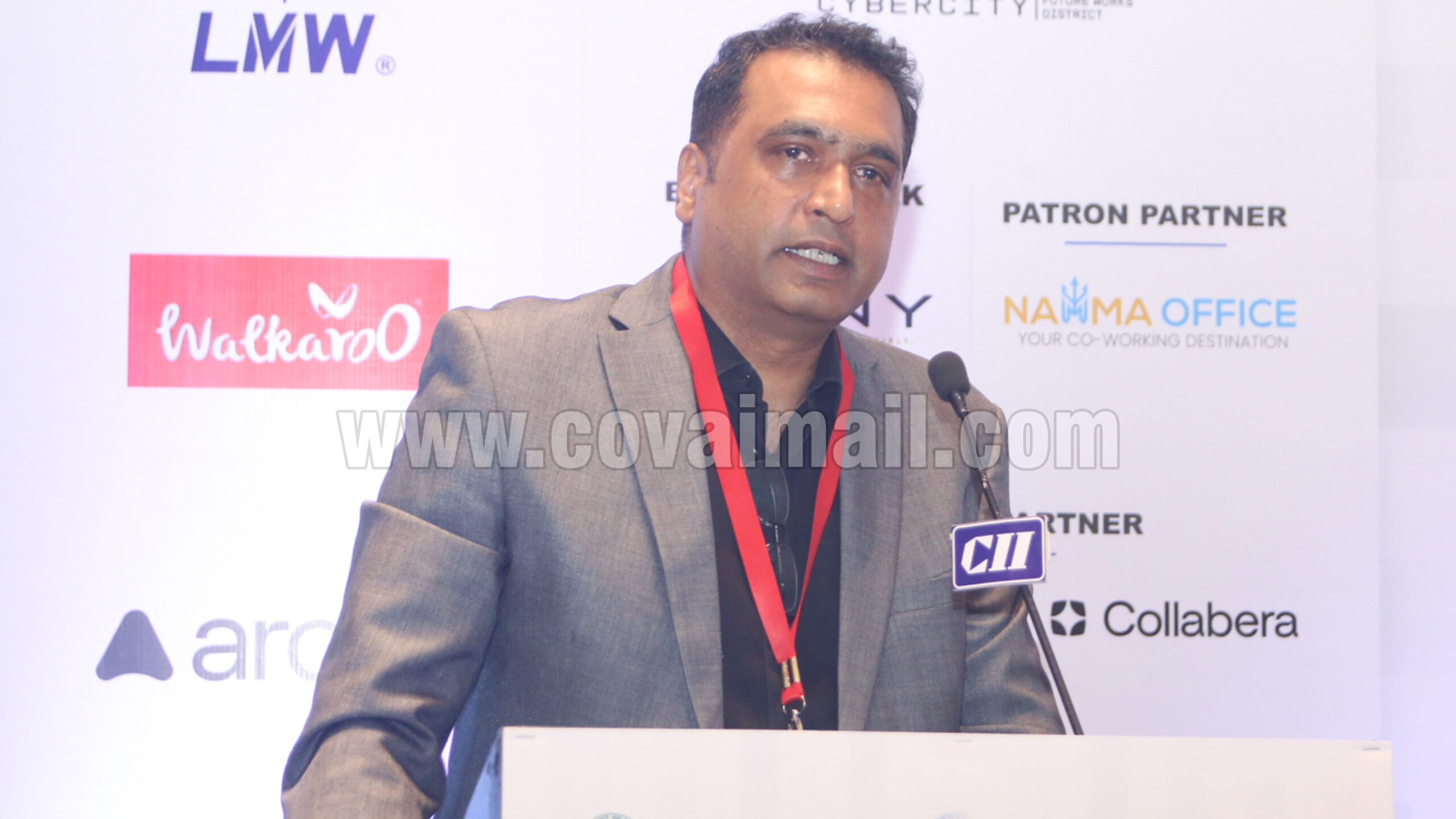
Sharing his perspective on Coimbatore as a GCC destination, Ranchu Nair, CEO & Founder, Mikro Grafeio Services, highlighted the growing demand for quality and scalable workspace infrastructure in emerging cities.
Drawing from his experience across Tier-2 and emerging locations, he noted that Coimbatore has demonstrated strong demand for enterprise-grade commercial infrastructure and has the ability to attract talent from across the region and beyond.
He emphasised the need for infrastructure, real estate, technology and other ecosystem stakeholders to work together to support the next phase of GCC expansion. He also highlighted the significant interest among developers and investors in creating additional commercial infrastructure in Coimbatore.
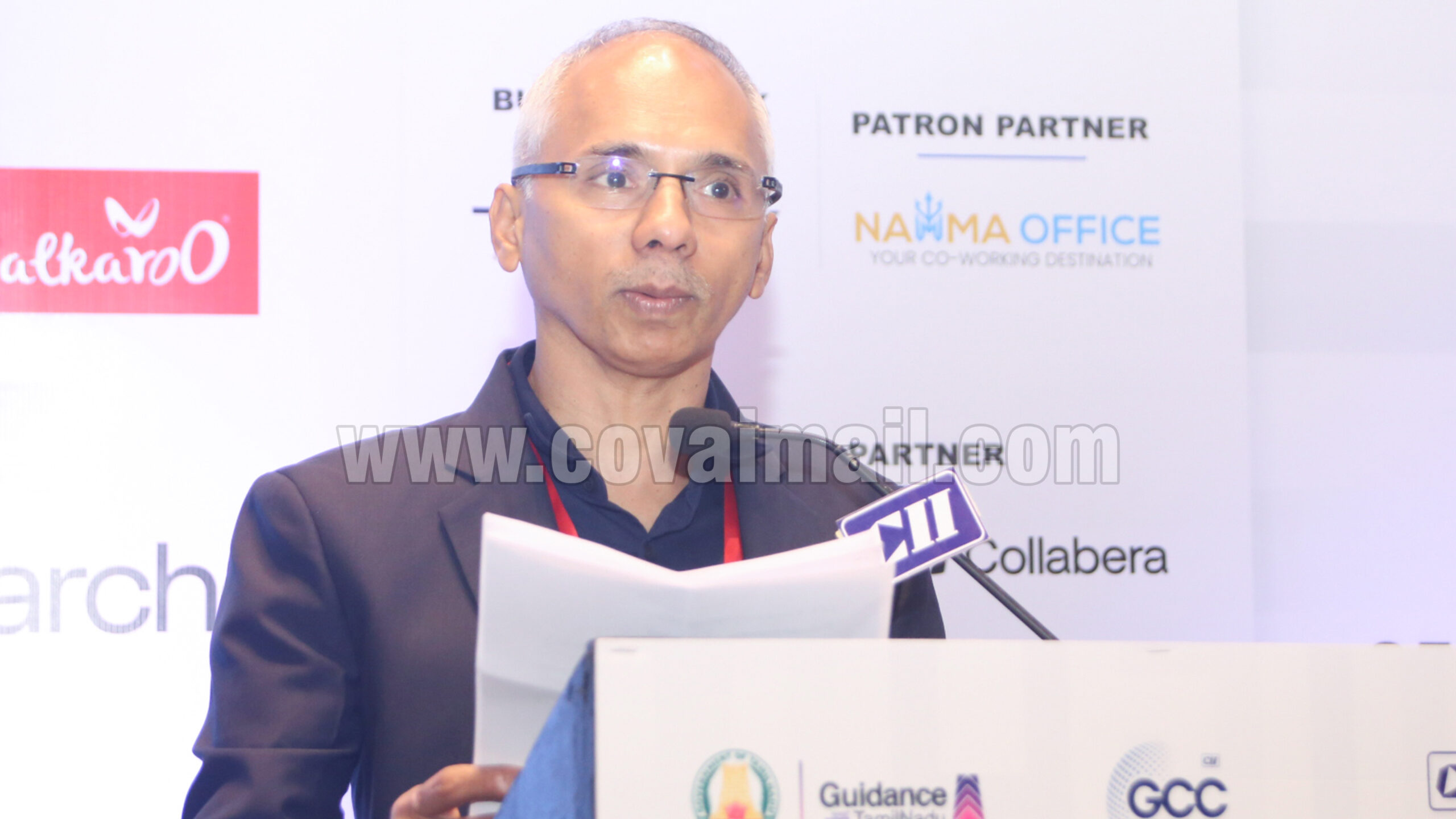
Delivering the welcome remarks, Noushad, Chairman, CII Coimbatore Zone and Managing Director, Walkaroo International, highlighted that Coimbatore’s GCC journey has already begun, with global companies operating from the city across engineering, technology, R&D, digital capabilities and global business functions. He noted that the city’s decades of engineering and manufacturing experience have created a strong culture of problem-solving, innovation and continuous improvement. He emphasised that the opportunity is not merely to attract more GCCs, but to build an ecosystem where GCCs, existing industries, MSMEs, technology companies and educational institutions grow together. He called for stakeholders to move from conversation to collaboration and from collaboration to action.
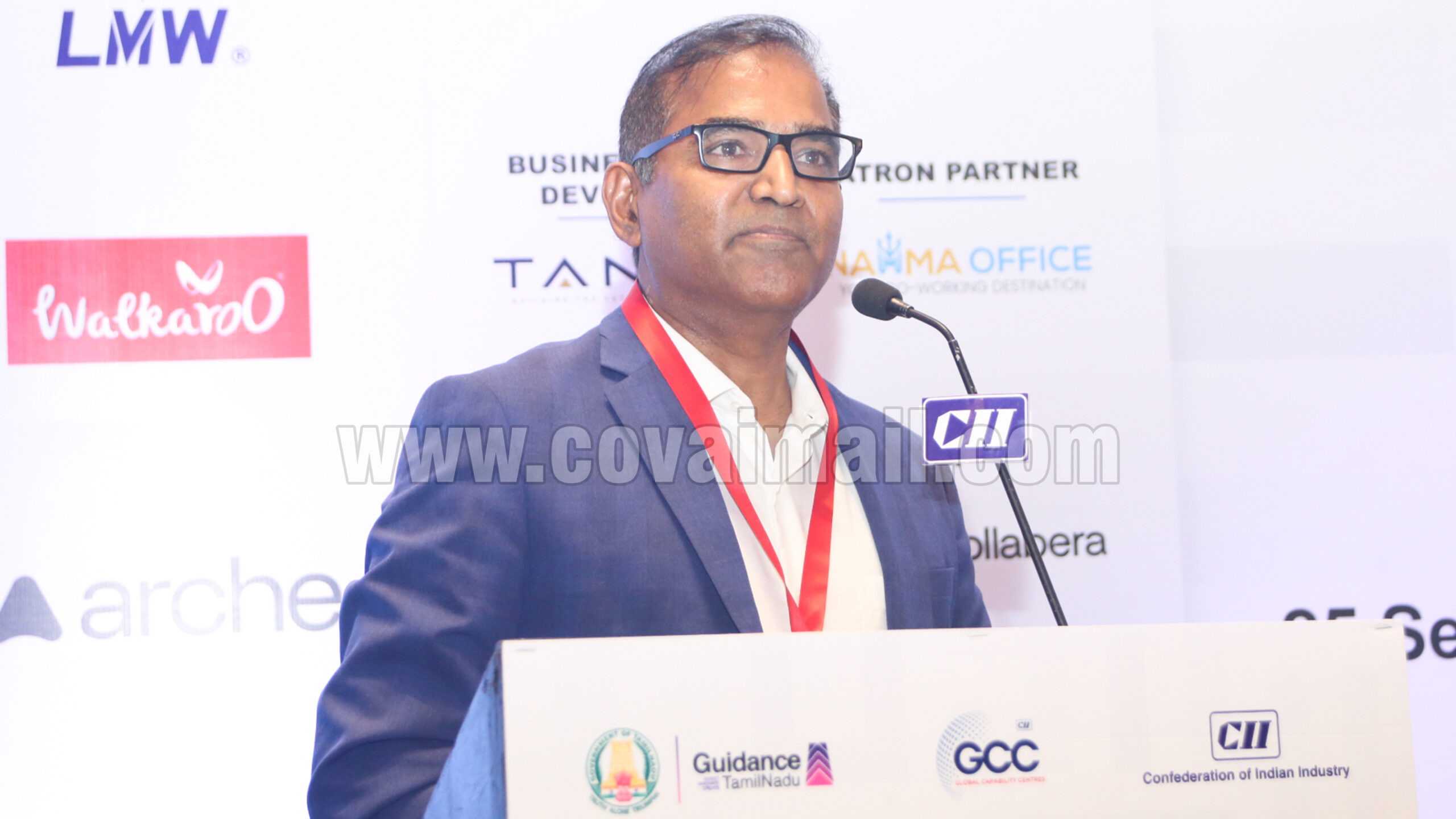
Setting the context for the summit, Mahalingam Ramasamy, Convenor, GCC Task Force, CII Coimbatore and Managing Director, Arche Global, emphasised that Coimbatore’s strength lies in the industrial ecosystem built over generations. He explained that a cluster is not simply a concentration of companies in one location, but the relationship between companies, suppliers, talent, institutions and entrepreneurs, where knowledge and capabilities continuously reinforce one another.
He noted that not every city with industries becomes a strong industrial cluster and not every city with talent becomes a global talent destination. The GCC opportunity, he said, represents the next layer of Coimbatore’s existing industrial story, with the city well positioned to leverage its engineering depth, manufacturing experience, MSMEs and entrepreneurial culture.
He stressed that success should be measured not merely by the number of centres established, but by the global engineering, R&D, technology and leadership capabilities built in the city.
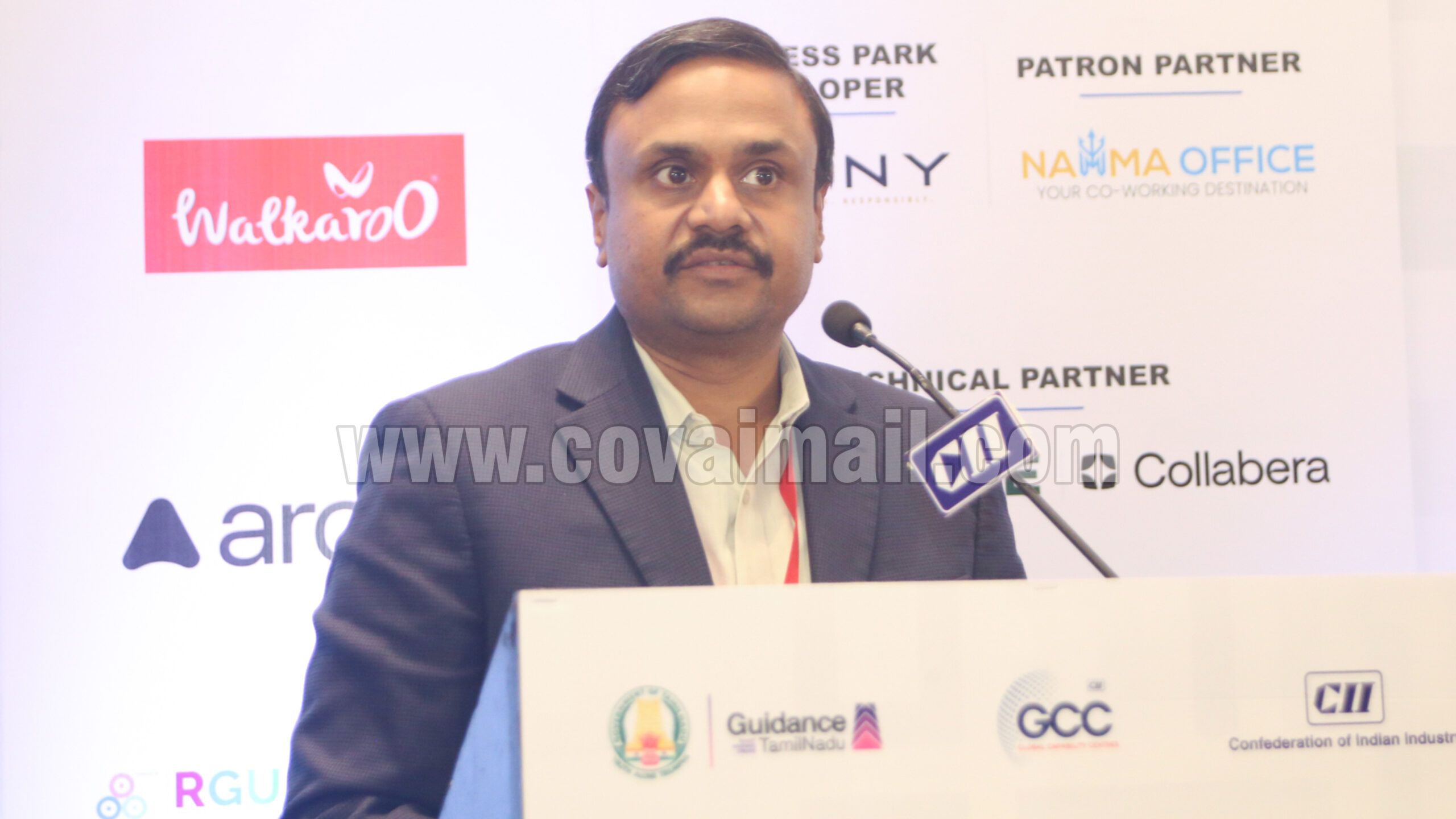
Concluding the inaugural session, Satya Dulipala, Co-Convenor, GCC Task Force, CII Coimbatore and Head – Coimbatore IT Centre, SLB, highlighted the common thread emerging from the discussions: Coimbatore has a strong foundation and the opportunity now is to build on it.
He emphasised that the GCC opportunity requires sustained collaboration among industry, government, academia, GCCs and the wider ecosystem. He noted that the summit should not be viewed merely as a one-day conference, but as a platform for developing meaningful partnerships and translating discussions into continued action.
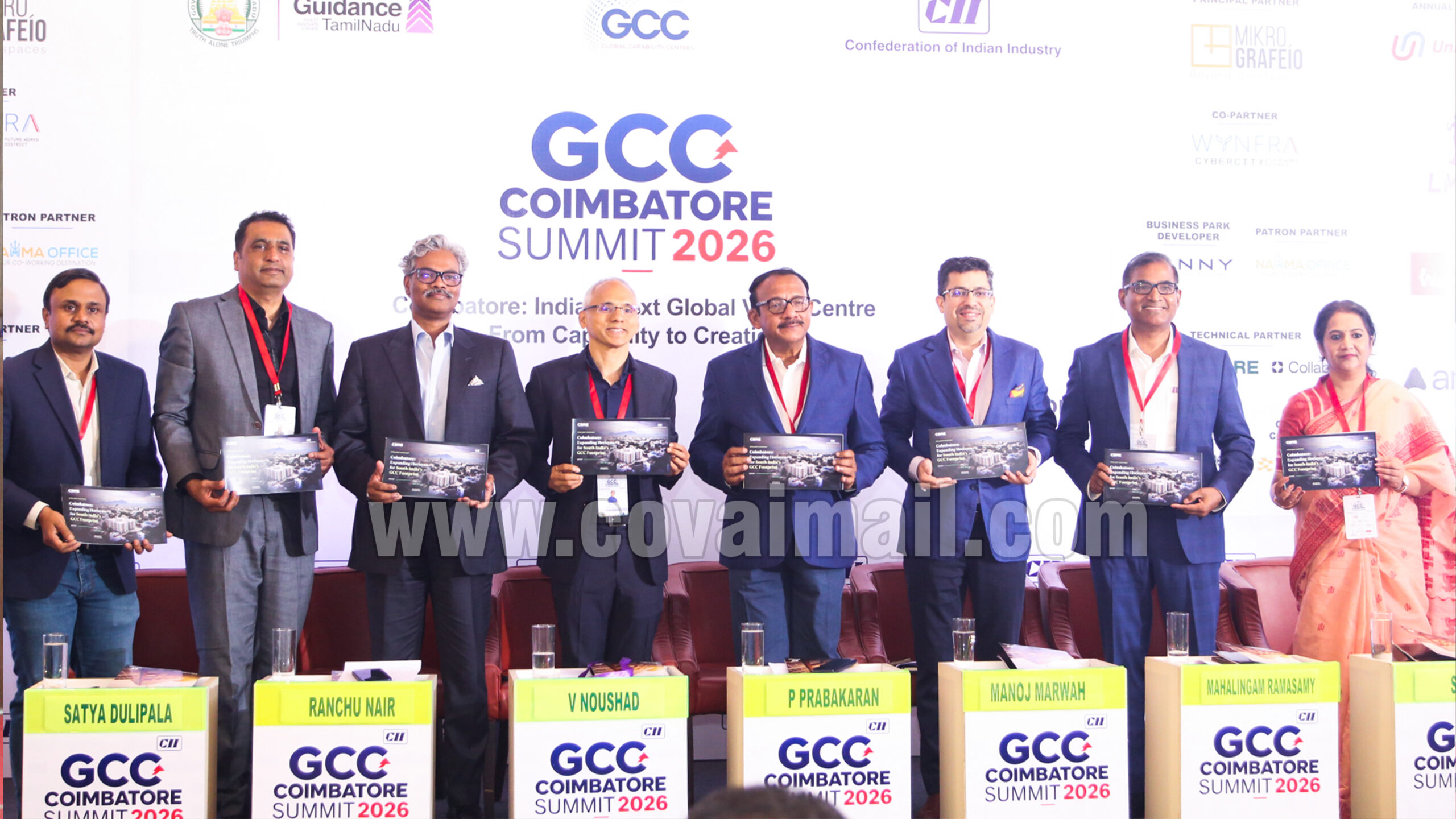
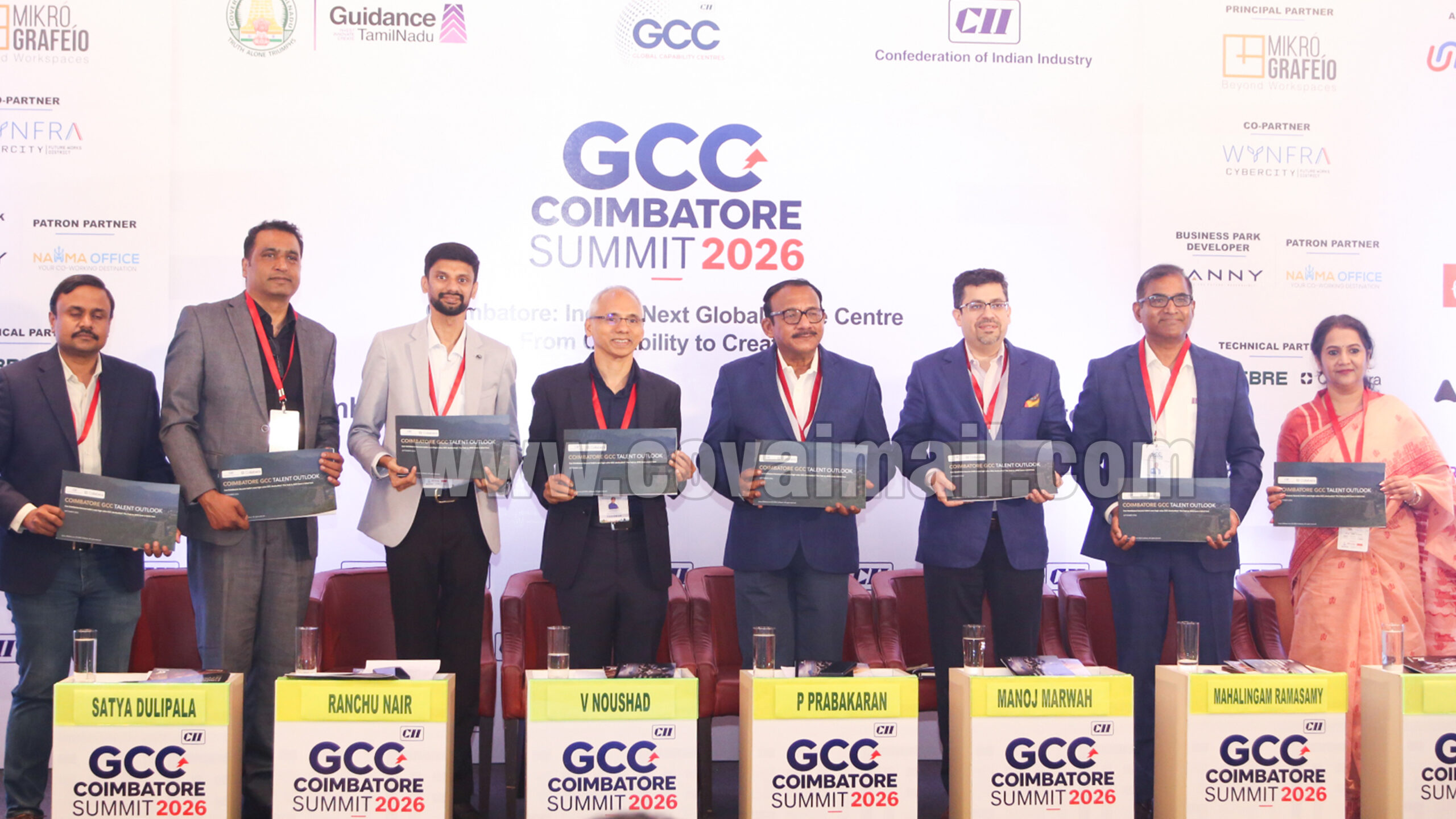
Launch of three reports
The summit also witnessed the launch of three reports: “Leapfrog 2032: The Road to 200 GCCs in Coimbatore” by EY, “Coimbatore: Expanding Horizons for South India’s GCC Footprint” by CBRE and “Coimbatore’s GCC Talent Outlook” by Collabora, providing insights into the city’s GCC potential, infrastructure ecosystem and emerging talent capabilities.
The Summit featured a series of focused sessions exploring Coimbatore’s evolving GCC proposition, the expansion opportunities for global enterprises and the capabilities required to build the next generation of global centres.
The discussions began with “Coimbatore GCC 2.0: The Next Global Growth Location,” examining the city’s Plus-One advantage and its potential to attract new GCCs, expansions and second-location strategies, followed by “From First Entry to Scale – The Expansion Opportunity,” which explored the next frontier for GCC growth and the role of infrastructure and financial institutions in supporting the ecosystem.
A panel on “From Engineering Support to Global Product Ownership,” moderated by Senthil Raja Sennimalai, Chairman & CEO, NammaOffice, brought together leaders from Bosch Global Software Technologies, SLB and Upland Software to discuss the evolution of engineering centres into global product ownership hubs.

The afternoon deliberations focused on the broader ecosystem required to sustain GCC growth, including “Beyond the Established Hubs: Building India’s Next Generation of GCC Destinations,” which examined the emergence of new GCC locations beyond established metropolitan hubs; “Building Talent for the AI-Ready GCC,” which highlighted the need to prepare Coimbatore’s workforce for AI, automation and digital engineering; and “Building the Next Layer – Strengthening Coimbatore’s Leadership Talent,” which discussed developing experienced managers and functional leaders for scaling global operations.
The Summit concluded with “Coimbatore 2030 – From Proven Strength to Global Scale & The Opportunity Ahead,” bringing together industry and academic perspectives on strengthening the city’s talent, connectivity, infrastructure, ecosystem and leadership capabilities to support its evolution as a globally competitive GCC destination.
The sessions brought together leaders from industry, GCCs, consulting, research, academia and the financial ecosystem, creating a platform for collaborative dialogue on Coimbatore’s next phase of global growth.