
The Indian Cotton Federation (ICF), along with ICAL, Bathinda, will jointly organise its 7th Biennial All India Cotton Conference 2026 on August 21 and 22 at Hotel Le Meridien, Coimbatore, under the theme “Cotton – The Sustainable Fibre of the Future.” The conference will begin at 4 p.m.
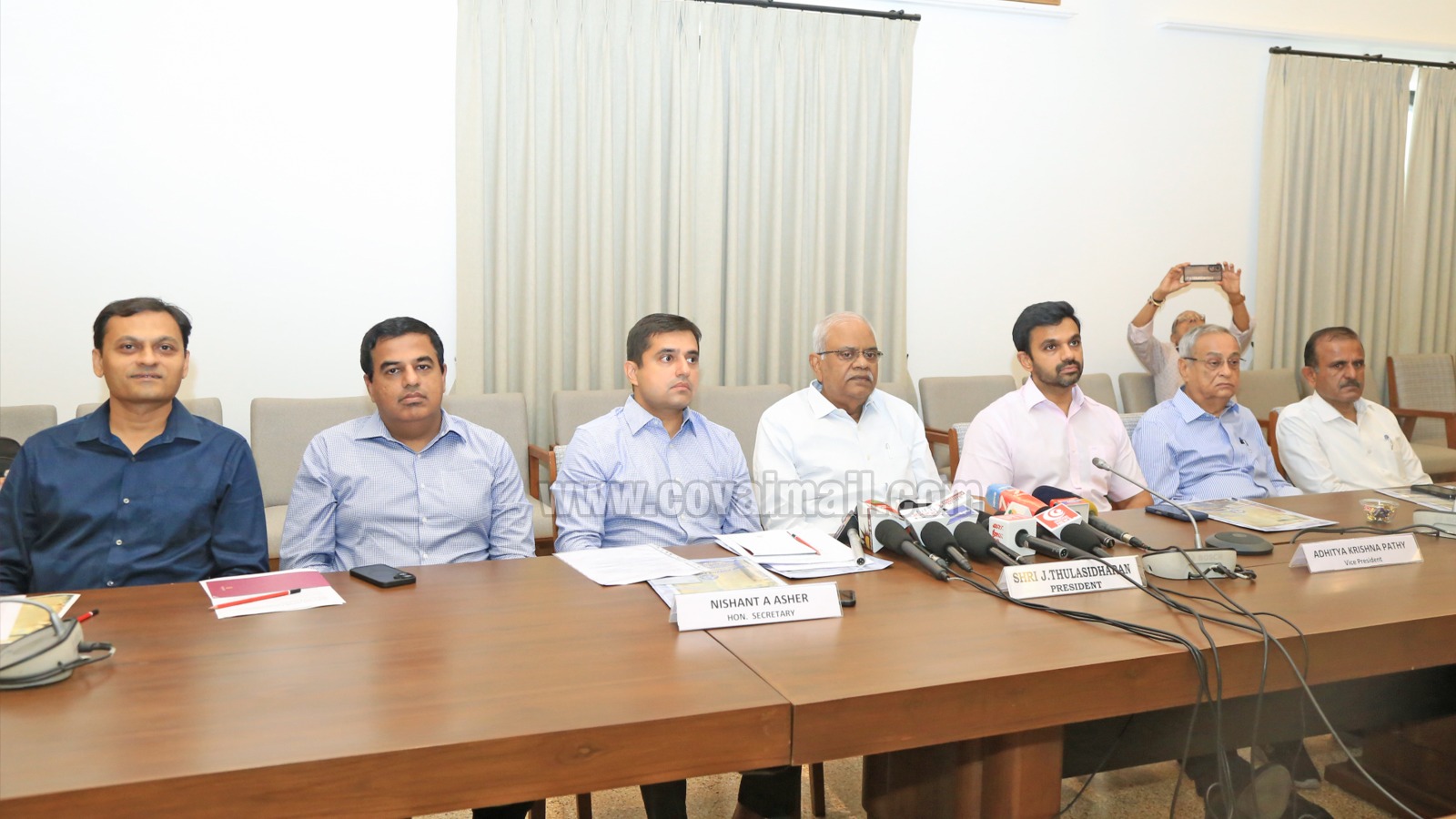
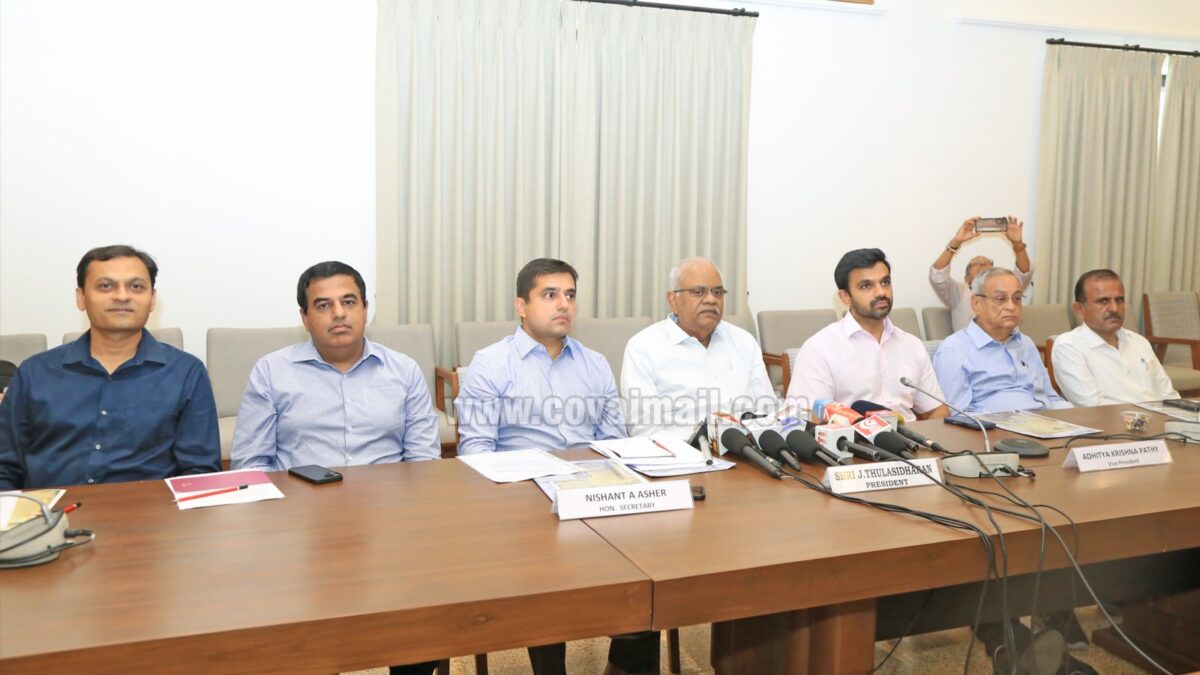
This was announced at a press meeting held on Friday at SIMA. Thulasidharan, President of ICF, addressed the press along with Aditya Krishna Pathy, Vice President; Nishant Asher, Honorary Secretary; and Chetan Joshi, Honorary Joint Secretary.
During the event, six eminent personalities from the cotton industry will be honoured with the Lifetime Achievement Award. They are Kandaswamy of Sri Shanmugavel Mills; Suresh Tayal of Shri Rajarajeshwar Cotton; Ramesh Kakkirala of Kaveri Ginning Mills; Rakesh Rathi of Kamal Cotton Traders; Perumalsamy of Shri T.P. Textiles; and Ramalinga Appasamy of M/s. A.R. Appasamy.
Around 500 delegates from across India and countries including the USA, UK, Egypt and Malaysia are expected to participate.
The two-day conference will bring together cotton farmers, ginners, agents, traders, spinners, textile manufacturers, machinery manufacturers, policymakers, technology providers and global cotton experts to discuss the opportunities, challenges and emerging trends shaping the future of cotton.
Lalit Kumar Gupta, Chairman and Managing Director of the Cotton Corporation of India (CCI), will grace the occasion as the Chief Guest. Purnesh Gururani, Director (Fibre), and Sourabh Kulkarni, Joint Textile Commissioner (Cotton), will represent the Ministry of Textiles, Government of India.
“Participants will gain knowledge from the conference and apply it in their industries to improve productivity and profitability,” said Thulasidharan.
Further, Aditya Krishna Pathy said that both the Central and State Governments were providing proactive support. He added that cotton sowing was expected to increase by 10 to 12 per cent due to El Niño and that a clearer picture would emerge in October.
Speaking about the current cotton market, the speakers said that increased imports of foreign cotton would help maintain price stability in the domestic cotton market. They added that the opening up of export avenues was a great relief for the industry.
They also noted that cotton exports had increased and that cotton cultivation had been good so far. Amid global disruptions and ongoing conflicts, the speakers said that polyester prices were likely to remain high.
More about the conference
The conference will examine the entire cotton-to-textile value chain through a series of sessions covering global cotton demand and supply, crop prospects for 2026–27, the future of spinning, cotton pricing and policy, sustainability, cotton provenance and traceability, artificial intelligence and market intelligence, and India’s role in the evolving global textile landscape.
A major focus of the conference will be on how the Indian cotton industry can respond to the rapidly changing requirements of global markets.
Technology and innovation will form an important part of the discussions. Artificial intelligence, data analytics, digital platforms and traceability technologies are changing the way cotton is produced, traded, processed and consumed. The conference will explore how these technologies can help the Indian industry improve efficiency, transparency, quality and decision-making.
Sustainability will also be examined as an opportunity to create greater value for Indian cotton. The future of cotton will increasingly depend on its ability to demonstrate quality, provenance, traceability and responsible production from farm to finished product. This presents India with an opportunity to build greater recognition for its cotton and strengthen its position in international textile markets.
The conference will also provide a platform for meaningful interaction between industry and government on issues relating to cotton policy, market competitiveness, imports, minimum support price (MSP), quality standards and the broader objective of strengthening India’s textile exports.
The Indian textile industry has significant potential to contribute to the country’s export ambitions. Cotton, which forms the foundation of a large part of India’s textile ecosystem, can play a crucial role in this growth if the entire value chain becomes more competitive and globally aligned.