

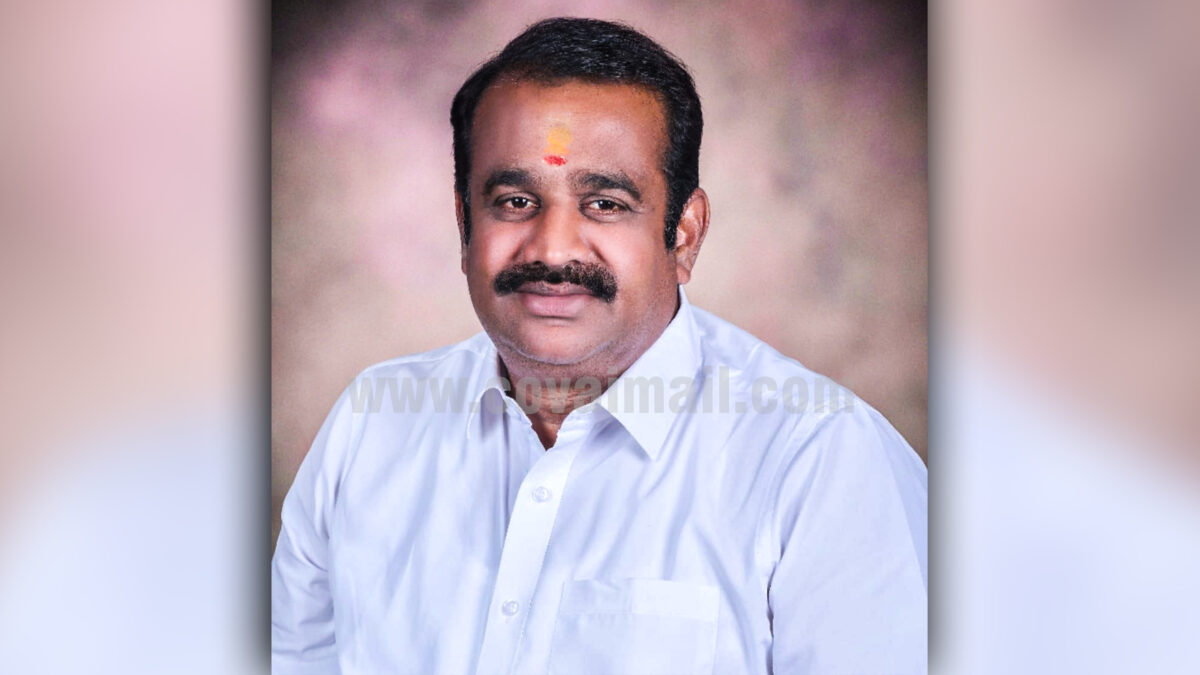
“The Union Budget 2026 includes several positive measures to boost the textile sector,” said Jayapal, Chairman, Recycled Textile Federation (RTI), commenting on the Union Budget presented recently.
He said these measures include the introduction of the Samarth 2.0 scheme to strengthen the textile industry, enhanced coordination between the industry and the technical education department to develop textile-related skills, and new initiatives to promote the production of natural fibres such as cotton and wool.
Jayapal welcomed the announcement of four textile parks under the Mahatma Gandhi Swaraj Scheme, stating that it is a positive step for the sector. He added that an allocation of ₹10,000 crore for the development of Micro, Small and Medium Enterprises (MSMEs) will further support industrial growth.
He also noted that the Budget has earmarked ₹40,000 crore for the development of the semiconductor sector, announced the National Fibre Policy under the textile sector, and introduced a Textile Extension Programme aimed at modernising the industry. In addition, a new initiative to establish a Textile Skill Development Authority has been announced.
The exemption of taxes on 17 types of cancer medicines and lithium batteries used in electric vehicles was described as a commendable move. Jayapal said the allocation of ₹10,000 crore to boost container manufacturing and ₹5,000 crore for the creation of urban economic zones will contribute to overall economic development.
He appreciated the Central Government’s commitment to fiscal discipline, sustainable growth and moderate inflation management. However, he expressed disappointment that the 11 per cent import duty on cotton has not been withdrawn, which limits access to raw materials at international prices.
He also pointed out that the GST on job-work units has not been reduced from 18 per cent to 5 per cent, calling it a setback for the textile value chain.