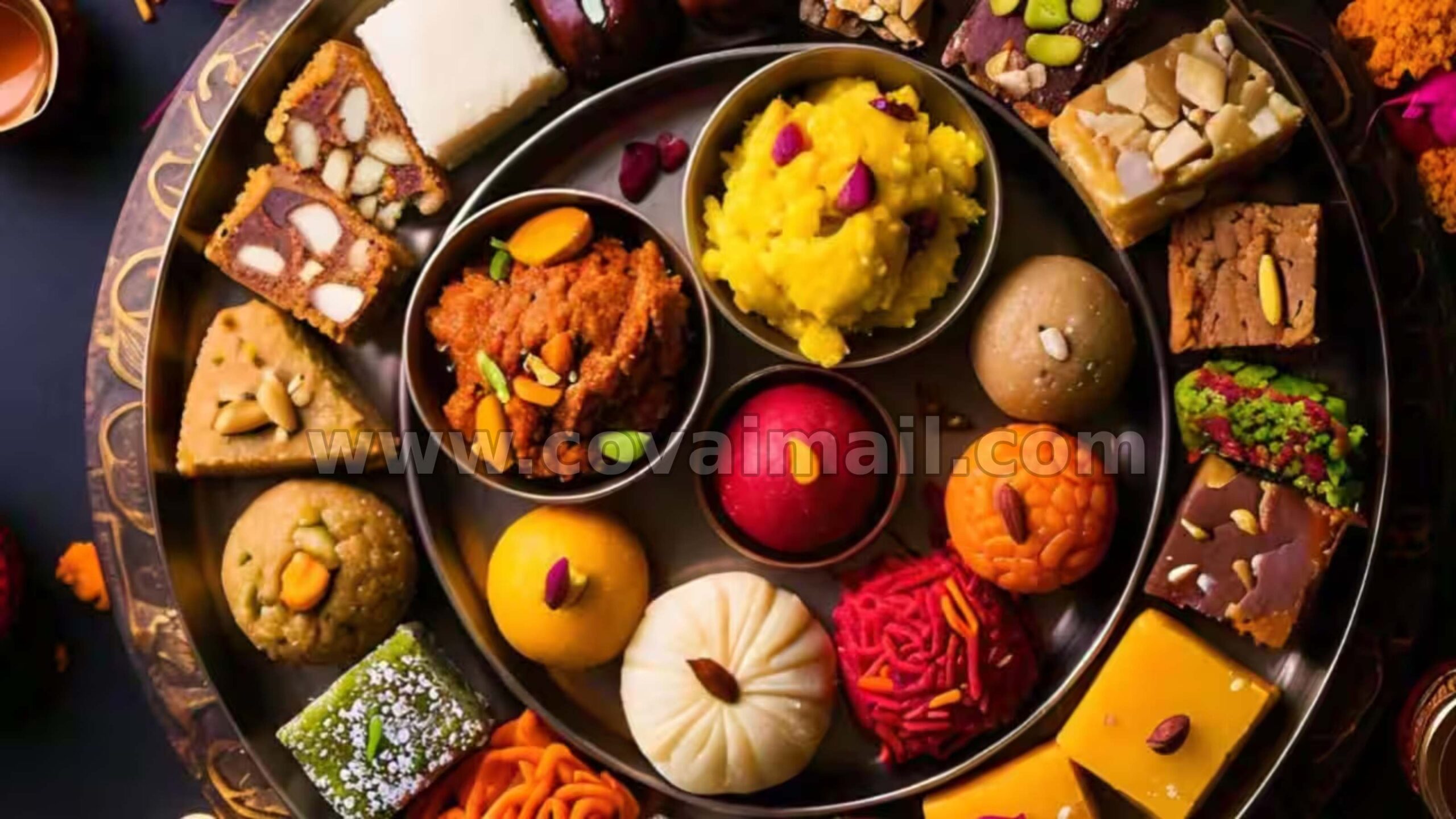

Yes, the festival season in India is about to start with Gokulashtami on September 4th, Dusshera on October 20th, Diwali on Nov 8th, Christmas, New Year and so on. Sweets are a major part of these festivals, and sugar is the key ingredient.
In the recent weeks, Sugar prices have increased from Rs.48.18 per kg on July 20, 2026, to Rs.55.70 per kg on August 20, 2026. This reflects an increase of around 15.6% within one month. It’s worth distinguishing this recent movement from the longer-term trend, however, sugar prices rose by only about 3% annually between August 2024 and July 2026.
Retail price of Sugar in India has witnessed a rise recently, and many factors are being attributed to it – including low domestic production, climate hindrance (El Nino), market factors (price speculation), global sugar production deficit, hoarding, allotment of sugar for ethanol production, etc.
What has Indian Govt. done to stabilize sugar price?
The Government has observed that speculation and hoarding by some sugar mills and traders have also contributed to the recent price increase. Several steps have therefore been taken.
A stock limit of 400 tonnes has been imposed on sugar dealers across the country from 1 August to 30 November 2026. From 1 September, bulk consumers will not be permitted to hold sugar stocks exceeding 15 days of consumption. Joint teams of Central and State Government officials are carrying out physical verification of sugar stocks at mills to check hoarding and artificial scarcity.
Duty-free import of 10 Lakh MT of raw sugar is permitted till 31st of October to further augment domestic availability States and sugar mills have been advised to begin crushing (squeezing juice out of harvested sugarcane) from 15 October 2026. This is expected to raise October sugar production from the usual 3-4 LMT to more than 10 LMT, further improving availability during the festive season.
These measures have made the ex-mill price of sugar drop to Rs.55 per kg from Rs.67.