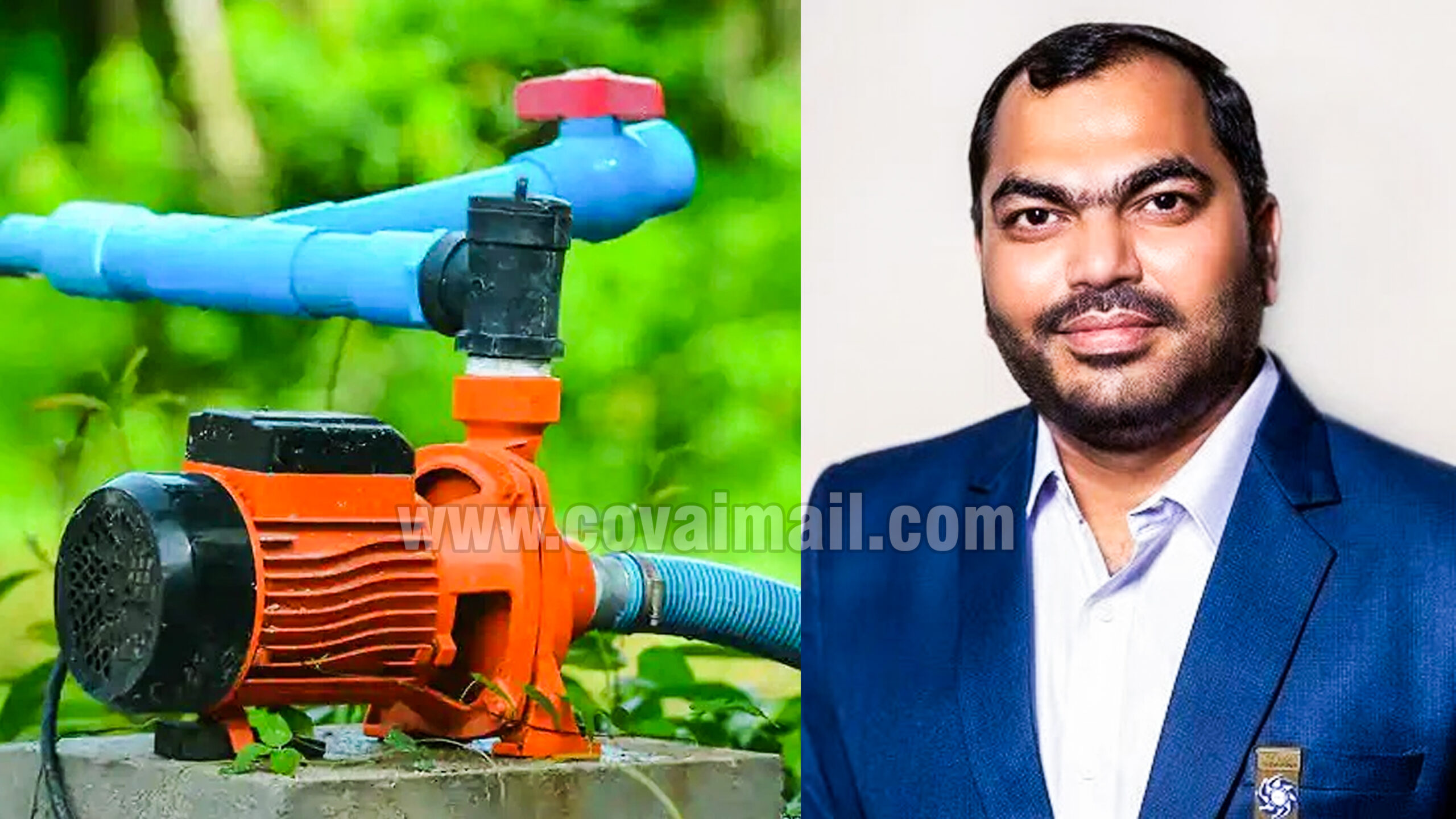

Leading pump manufacturing associations — Indian Pump Manufacturers Association (IPMA), Southern India Engineering Manufacturers Association (SIEMA), and Rajkot Engineering Association (REA) — have expressed serious concern over the unprecedented rise in raw material, logistics, energy, and compliance costs, which is placing severe pressure on pump manufacturers, particularly MSMEs.
Prices of key inputs such as copper, aluminium, stainless steel, silicon steel, cast iron, cables, and allied components have increased sharply over the past year.
Despite phased price revisions up to 31 May 2026, manufacturers have been unable to fully absorb the escalation, making further price increases from 1 June 2026 unavoidable.
The associations estimate that, despite the price revisions implemented so far, pumps continue to be under-priced by up to 10% relative to the increase in manufacturing costs.

The associations pointed out that while the cost of other components in a pumping system—such as pipes, cables, ropes, starter panels, valves, and fittings—has increased by over 30%, the pump itself now accounts for only 15–20% of the total system cost, compared to nearly 30% earlier.
Consequently, a reasonable correction in pump prices will have only a limited impact on the overall project cost.
The industry also warned that rising costs are widening the gap between quality-compliant products and lower-cost alternatives.
Organised manufacturers are committed to delivering reliable, energy-efficient pumping solutions in compliance with BIS and BEE requirements, whereas inferior products frequently achieve lower prices by compromising on quality, efficiency, and long-term performance.
To support farmers and consumers while promoting energy-efficient products, the associations have urged the Government of India to reduce GST on pumps from 18% to 5%.
Such a measure would encourage the adoption of quality pumps, reduce power consumption, support national energy efficiency goals, and strengthen India’s organised manufacturing sector.
The resulting energy savings from widespread adoption of energy-efficient pumps would substantially reduce the agricultural power subsidy burden borne by State Governments.
With electricity for agricultural pumping being provided free across the country, the savings accrued through lower power consumption are expected to significantly outweigh the revenue impact of reducing GST on pumps from 18% to 5%, making it a fiscally prudent, farmer-friendly, and environmentally sustainable policy measure.
The associations reaffirmed their commitment to supplying reliable, energy-efficient, and high-quality pumping solutions for agriculture, drinking water, irrigation, and infrastructure development.