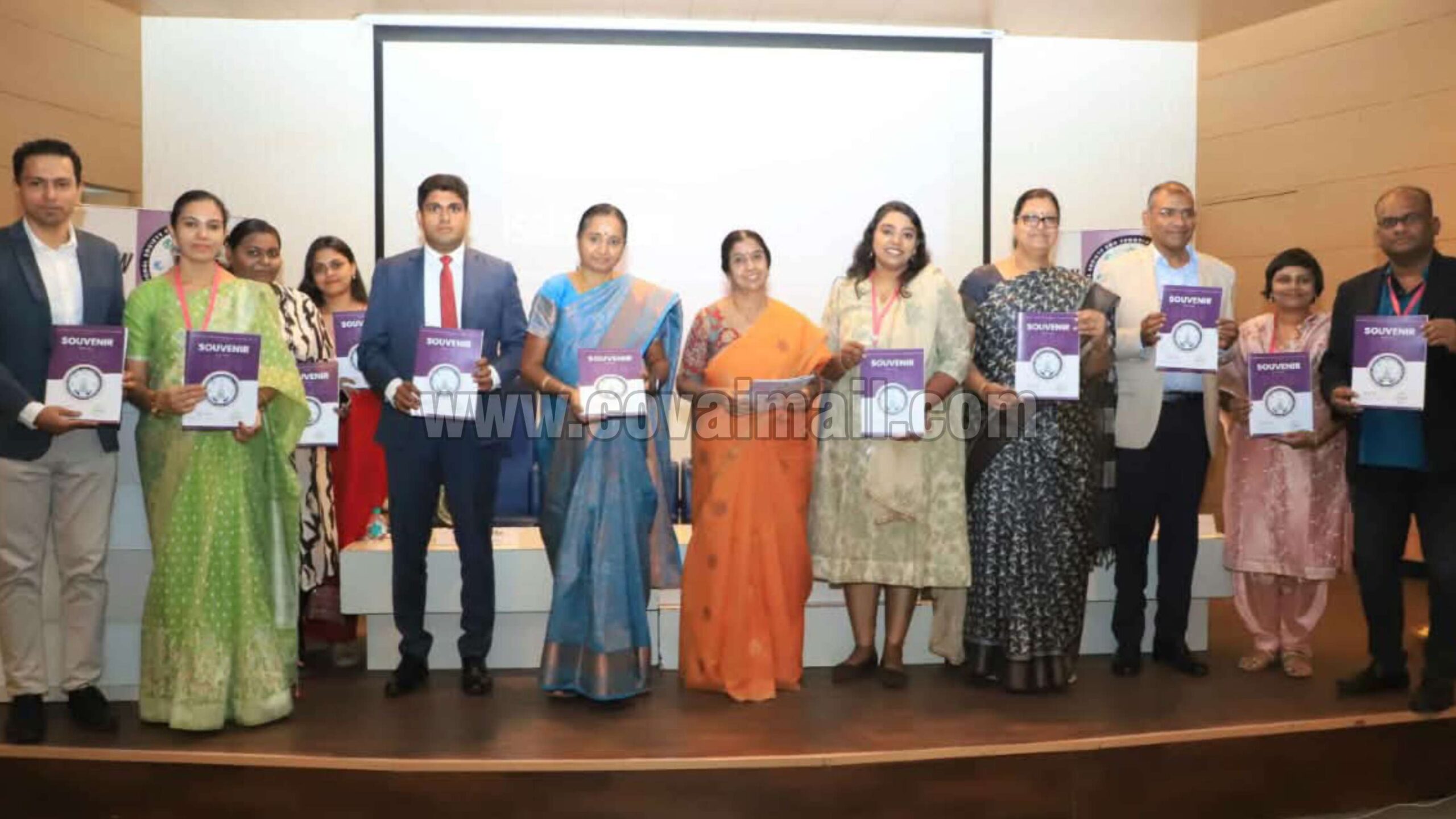

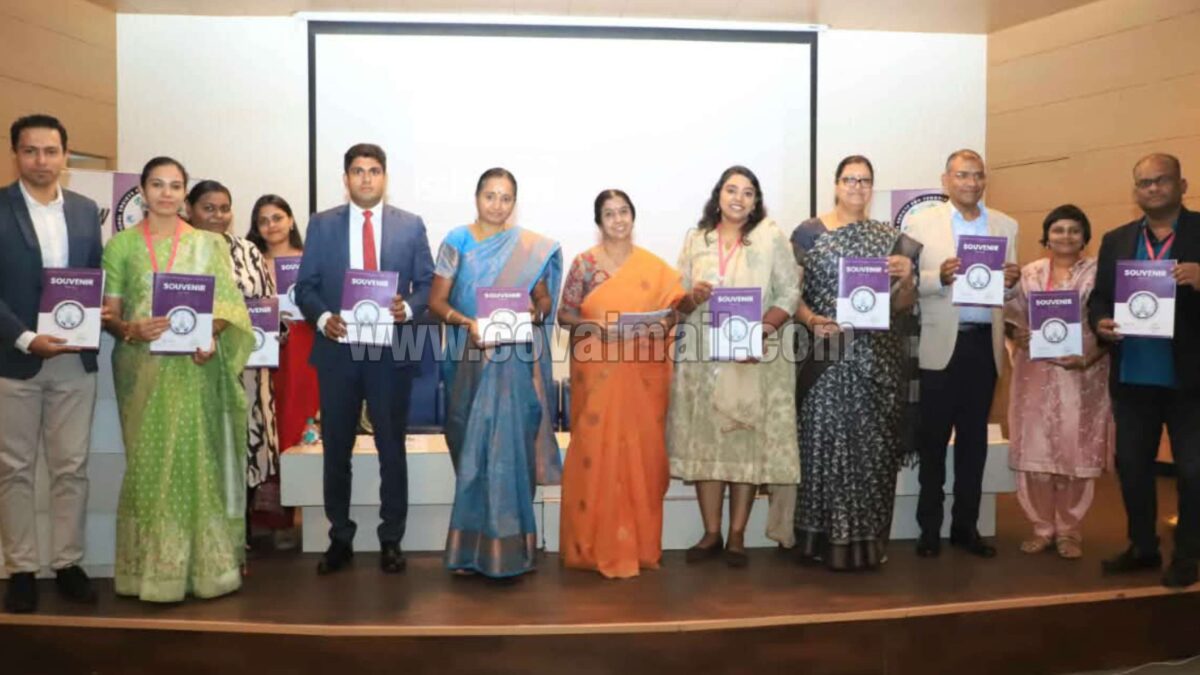
The International Society for Functional & Precision Wellness (ISFPW), in collaboration with the Department of Clinical Nutrition and Dietetics at PSG College of Arts & Science conducted its Second Annual International Conference on “Preventive and Integrative Wellness – From Risk Reduction to Resilient Health” recently.
The two-day conference brought together approximately 250 participants from across the country, comprising healthcare professionals, functional nutritionists, dietitians, medical practitioners, researchers, academicians, students and wellness professionals. The event served as a multidisciplinary platform for knowledge exchange, scientific discussions and collaborative learning, focusing on the growing importance of evidence-based, personalised and integrative approaches to healthcare.
With the rising prevalence of lifestyle-related metabolic disorders and chronic health conditions, the need to shift from a predominantly disease-focused healthcare model towards preventive, personalised and integrative healthcare has become increasingly important.
The conference was conceptualised around this need. Its central theme, “From Risk Reduction to Resilient Health,” emphasised that preventive healthcare must extend beyond identifying risk factors. It must also focus on understanding individual health variations, addressing underlying metabolic and lifestyle influences, strengthening physiological resilience and promoting long-term well-being.
The scientific programme explored diverse and interconnected areas of wellness, including metabolic health, precision nutrition, nutrigenomics, gut health, cardiovascular resilience, reproductive health, regenerative approaches and lifestyle interventions.
The first day featured a public awareness programme and a pre-conference workshop for students, bringing preventive wellness concepts to a wider audience while encouraging early academic engagement.
The public sessions featured insightful presentations by Dr. Harini Mariappan, who addressed maternal and infant nutrition, and Sneha, who spoke on emotional health and its significance in preventive wellness.
The sessions highlighted the importance of recognising emotional well-being as an integral component of overall health, alongside nutrition, lifestyle and physiological health.
A pre-conference workshop on precision nutrition, genomics and nutrigenomic report interpretation was conducted by Dr. Janani Dakshina Moorthy. The workshop provided students with exposure to the emerging field of nutrigenomics and its potential applications in personalised nutrition and preventive healthcare.
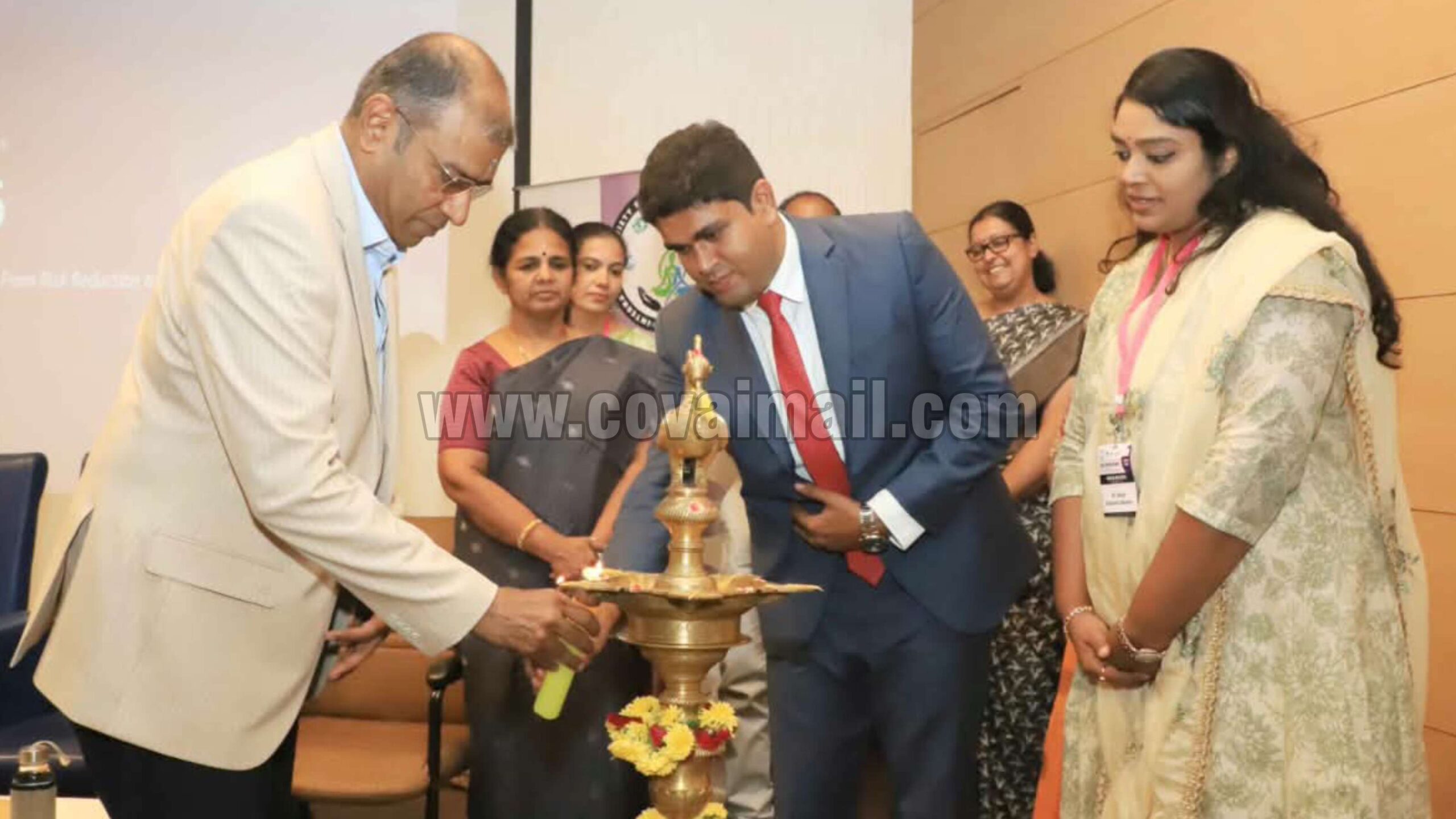
The second day commenced with the formal inauguration of the conference in the presence of academic and healthcare dignitaries. Jayanthi, Principal, PSG College of Arts & Science, addressed the gathering, followed by the inaugural address by the Chief Guest, Dr. B. R. Lakshmi, Founder Trustee and Managing Director of the Molecular Diagnostics, Counseling, Care and Research Centre, Coimbatore. The conference souvenir was also released during the inaugural proceedings.
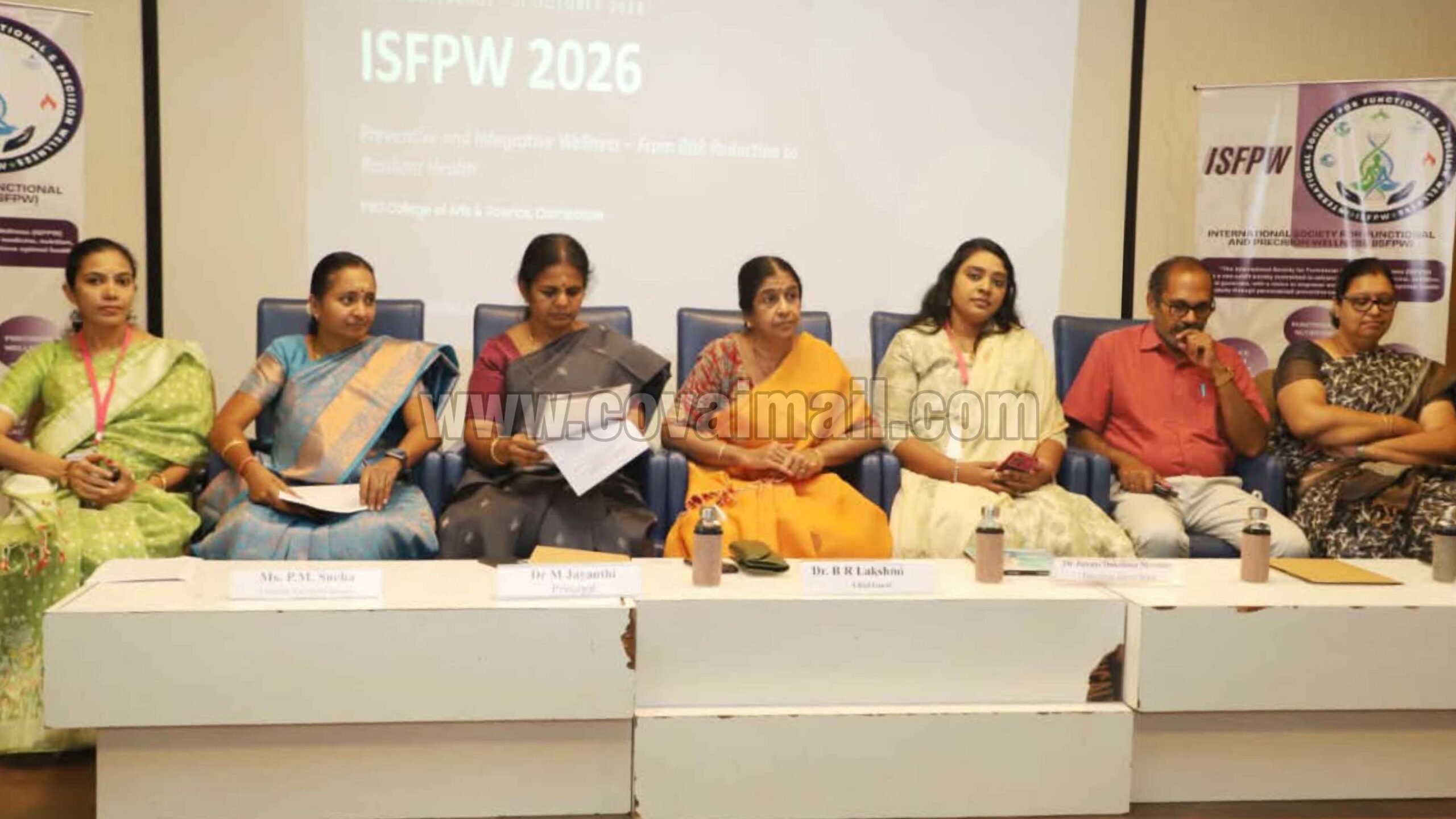
The scientific sessions that followed featured distinguished speakers who shared their expertise across various dimensions of preventive and integrative healthcare.
Dr. Pradeep MK Nair spoke on metabolic reprogramming for cancer prevention, exploring the relationship between metabolic health and cancer risk. Dr. Karthikeyan Viswanathan discussed Hyperbaric Oxygen Therapy (HBOT) and its applications in regenerative healing.
Dr. Janani Dakshina Moorthy presented on genomics and its relevance to preventive wellness, highlighting the role of genetic insights in personalised healthcare. Suyash Bhandari addressed precision nutrition and its evolving role in individualised dietary approaches.
Dr. V. Kavitha shared insights on integrated wellness and the importance of a comprehensive approach to health.Dr. Siddharth Goel discussed “Sva Samsya – Healing Beyond Biochemistry,” presenting a perspective on healing that extends beyond conventional biochemical approaches and encourages a broader understanding of health and well-being.
Dr. G. Rajendiran discussed lifestyle modifications and their importance in promoting cardiac resilience. Dr. Sumithra addressed preconception, metabolic and reproductive health, emphasising the importance of metabolic well-being in reproductive health.
Together, these sessions offered participants a broader understanding of how emerging scientific research, clinical practice and lifestyle-based interventions can complement one another in shaping the future of healthcare.
An important feature of the conference was the session on “Innovation and Entrepreneurship Opportunities in Healthcare – Pitch-in to Startups.” The session encouraged innovators, entrepreneurs and emerging healthcare ventures to explore opportunities for translating scientific knowledge and healthcare ideas into practical solutions.
By bringing the academic, clinical and entrepreneurial communities together, the initiative aimed to encourage innovation and strengthen the connection between research and real-world healthcare applications.