


G. Kuppuswamy Naidu Memorial (GKNM) Hospital inaugurated a Centre of Excellence (CoE) for Chronic Thromboembolic Pulmonary Hypertension (CTEPH) on Wednesday.
Dr. Ragupathy Veluswamy, CEO of the hospital, inaugurated the centre with the release of a placard, along with Dr. Santhosh, Director, Medical Affairs and Operations; Dr. Sambasivam, Chairman, Department of Cardiology; Dr. Venkatadevanathan, Chief, Department of Cardiothoracic Surgery; Dr. Shanmuga Sundaram, Chief Consultant, Heart Failure Clinic & Echocardiography; and Dr. Rakesh Seetharaman, Consultant, Cardiothoracic Surgery.
CTEPH is a serious but potentially treatable form of pulmonary hypertension that requires early diagnosis, specialised evaluation and expert multidisciplinary management.
With this objective, the hospital launched its Comprehensive CTEPH Care Programme to provide integrated diagnosis and treatment for patients with the condition. The programme brings together specialists in cardiothoracic surgery, interventional cardiology, pulmonary hypertension, advanced imaging, anaesthesia and critical care to offer comprehensive patient care.
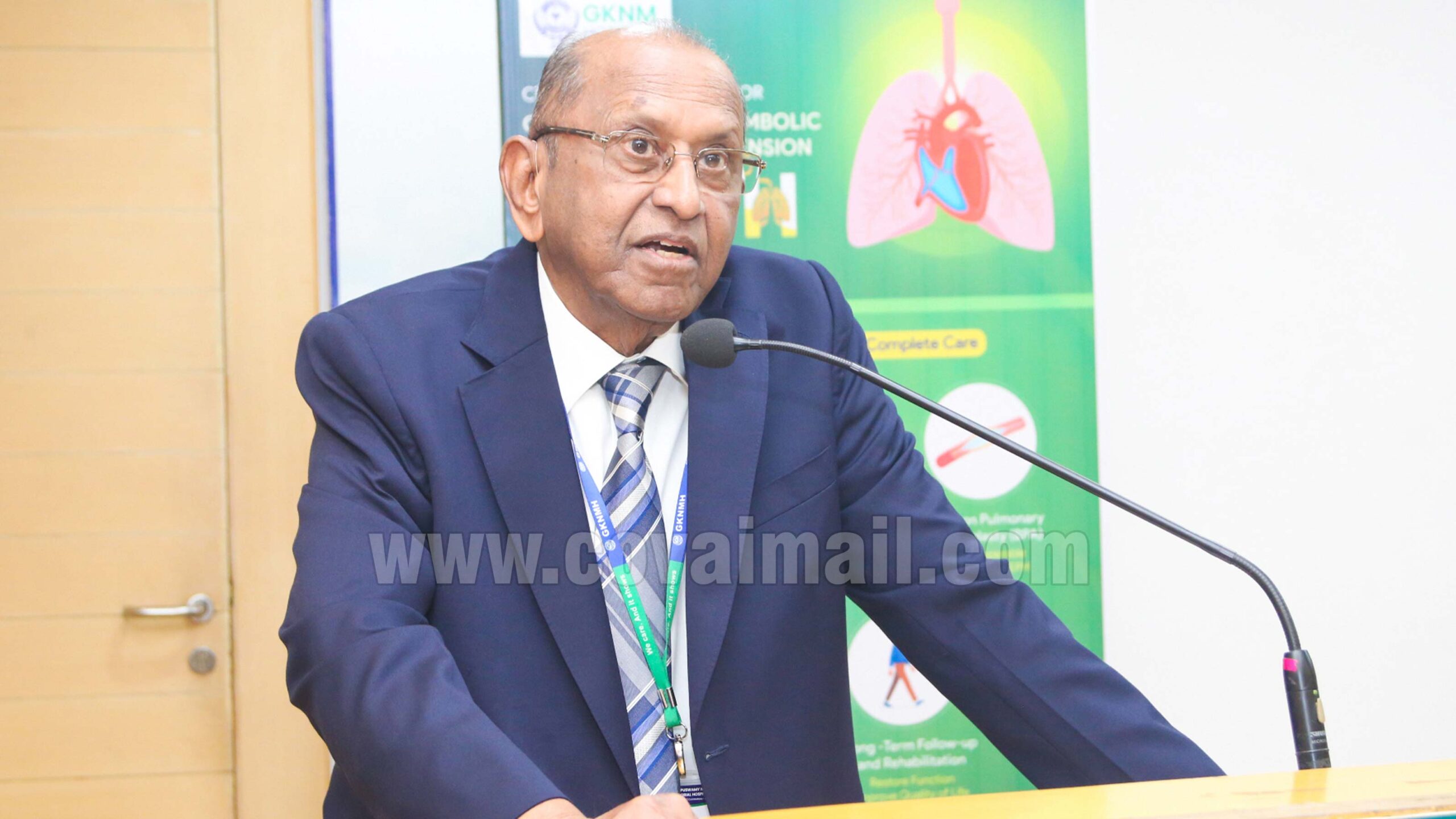
Simple symptom but serious condition
-Dr. Ragupathy Veluswamy, CEO, GKNMH
Dr. Ragupathy Veluswamy, in his presidential address, explained CTEPH in simple terms and said it can be treated successfully with appropriate medical intervention.
Emphasising the importance of early diagnosis, he outlined some of the common symptoms of CTEPH, including breathlessness while walking, difficulty in walking, unusual fatigue and reduced ability to perform daily activities. He noted that by the time the condition is recognised, the disease may have already progressed.
He described CTEPH as a potentially curable condition, explaining that some patients may require surgical treatment, while others may benefit from specialised catheter-based procedures.
“Through the launch of this clinic, our objective is to identify the condition early, provide the right treatment and help patients return to a healthy and active daily life. We aim to create greater awareness among the public about CTEPH. Anyone experiencing persistent breathlessness, following the diagnosis of having blood clots, should seek medical evaluation and appropriate treatment. What may appear to be a simple symptom could indicate a serious underlying condition,” he said.
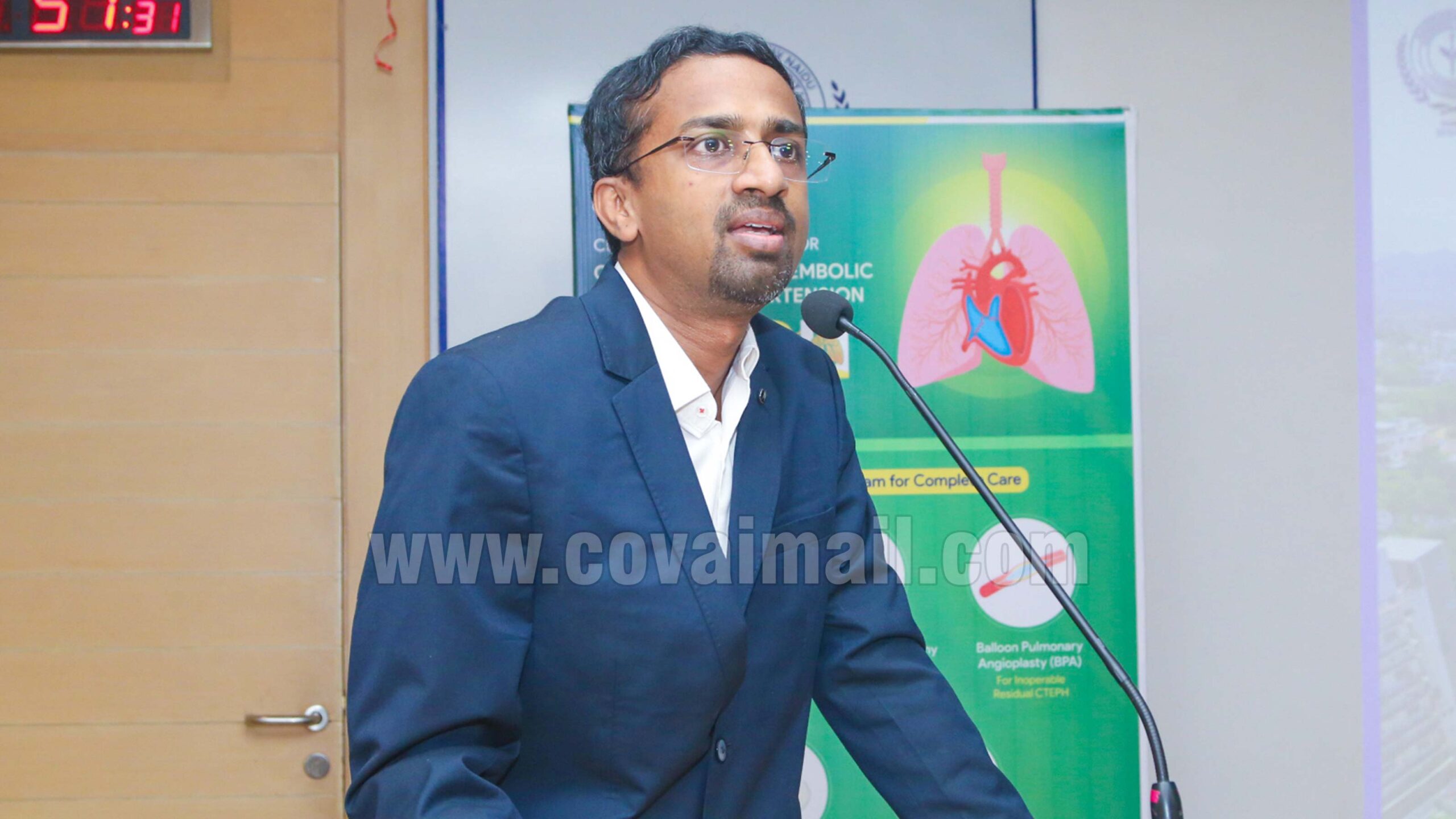
Prolonged inactivity causes blood clots
-Dr. Shanmuga Sundaram, Chief Consultant, Echocardiography
When The Covai Mail asked about the causes of blood clots in the body, Dr. Shanmuga Sundaram explained that prolonged immobility is one of the common risk factors.
He said that people who are bedridden following a fracture or a stroke may develop blood clots in their legs due to reduced blood circulation caused by prolonged inactivity. In some cases, these clots can travel through the bloodstream to the lungs, blocking the pulmonary arteries and resulting in a condition known as pulmonary embolism.
The doctor also highlighted that certain individuals may have a genetic predisposition to developing blood clots. Prolonged air travel, particularly when passengers remain seated for 10 to 12 hours without adequate leg movement, can also increase the risk of clot formation.
Additionally, he noted that certain medications, including oral contraceptive pills and hormone-based therapies, may increase the risk of blood clots in some individuals.
What is CTEPH?
Pulmonary embolism is a condition in which a blood clot blocks blood flow through the pulmonary arteries, which carry blood from the right side of the heart to the lungs.
CTEPH develops when blood clots do not dissolve completely following an episode of pulmonary embolism. Over time, these clots become organised into scar-like tissue, resulting in persistent narrowing or obstruction of the pulmonary arteries.
This obstruction restricts blood flow through the lungs and increases pressure in the pulmonary arteries. Consequently, the right side of the heart has to work harder to pump blood, eventually leading to enlargement and weakening of the right ventricle and, in advanced cases, right heart failure.
Why is early diagnosis important?
Doctors explained that patients with CTEPH commonly experience symptoms such as progressive breathlessness, reduced exercise tolerance, unexplained fatigue, chest discomfort, dizziness and episodes of fainting.
Unfortunately, these symptoms are often attributed to other common respiratory or cardiac conditions, resulting in delays in diagnosis.
If left untreated, CTEPH is a progressive and potentially life-threatening disease. Persistent obstruction of the pulmonary arteries increases resistance to blood flow, leading to worsening pulmonary hypertension and, eventually, right ventricular failure.
Early diagnosis is crucial, as timely treatment can prevent further deterioration of heart function, improve exercise capacity and significantly enhance long-term outcomes.
Persistent breathlessness following an episode of pulmonary embolism should never be ignored. Patients experiencing unexplained or progressive breathlessness should be evaluated for CTEPH, doctors emphasised.
Dedicated multidisciplinary team
The Comprehensive CTEPH Care Programme at GKNM Hospital is led by a dedicated team of specialists with expertise in the surgical and interventional management of pulmonary vascular diseases.
Comprehensive evaluation and multidisciplinary treatment
The Comprehensive CTEPH Care Programme at GKNM Hospital focuses on advanced diagnostic evaluation and a multidisciplinary approach to treatment.
Doctors noted that CTEPH, if left untreated, can progressively lead to severe pulmonary hypertension, right heart failure and premature death. However, outcomes have improved significantly with advances in surgical procedures, catheter-based interventions and medical therapy.
With appropriate treatment, many patients experience substantial improvements in breathlessness, exercise capacity, right heart function and overall quality of life.
According to information provided in the hospital’s press release, the international Worldwide CTEPH Registry reported the following three-year survival rates:
Approximately 94% among patients who underwent pulmonary endarterectomy (PEA).
Approximately 92% among patients treated with balloon pulmonary angioplasty (BPA).
Approximately 71% among patients receiving medical management alone.
Approximately 40% among untreated patients.