

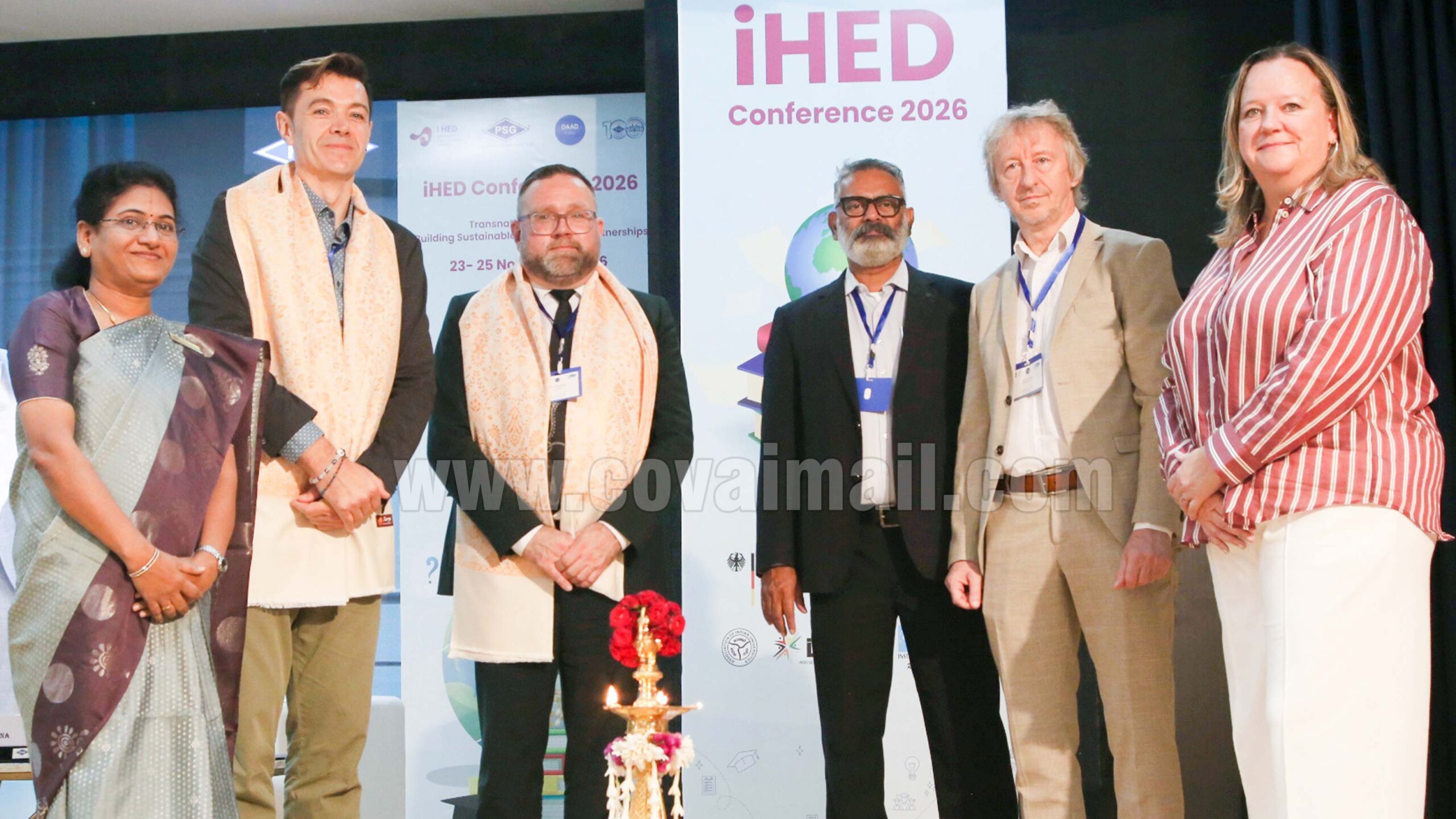
PSG Institute of Advanced Studies (PSG IAS) inaugurated the International Higher Education Dialogue (iHED) Conference 2026, titled “Transnational Education: Building Sustainable International Partnerships” on Monday.
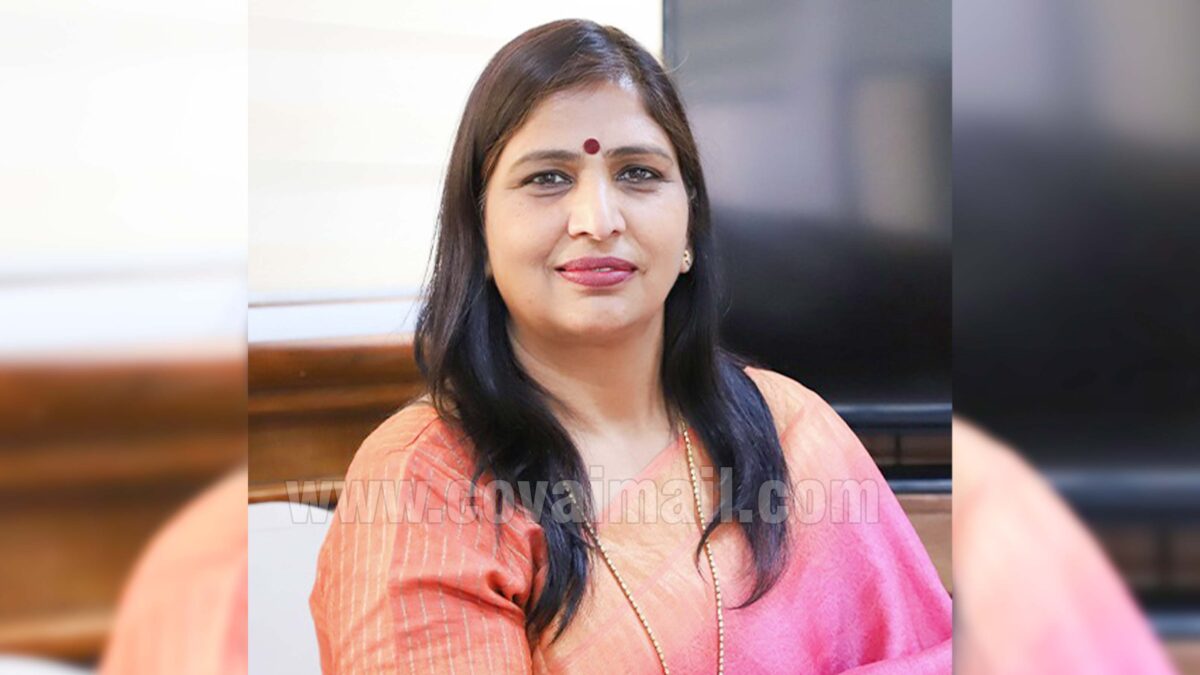
The chief guest, Pankaj Mittal, Secretary General, Association of Indian Universities (AIU), New Delhi, inaugurated the conference virtually and delivered her inaugural address.
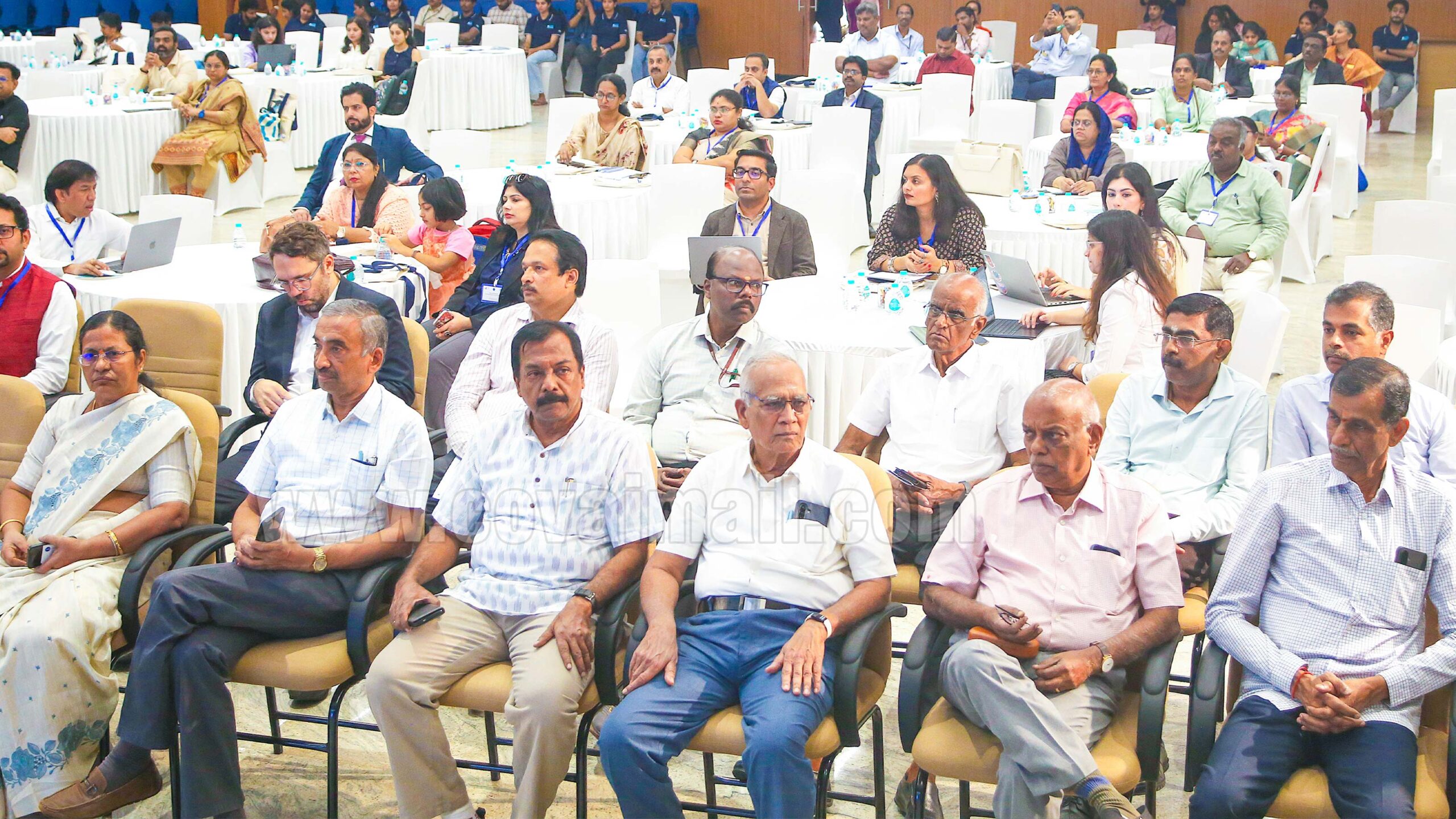
It is a three-day conference continuing till 25th November, being organised jointly with the Association of Indian Universities (AIU), New Delhi.
Stefan Bienefeld, Head of Division, Transnational Education and Cooperation Programme, DAAD, Germany, delivered the presidential address.
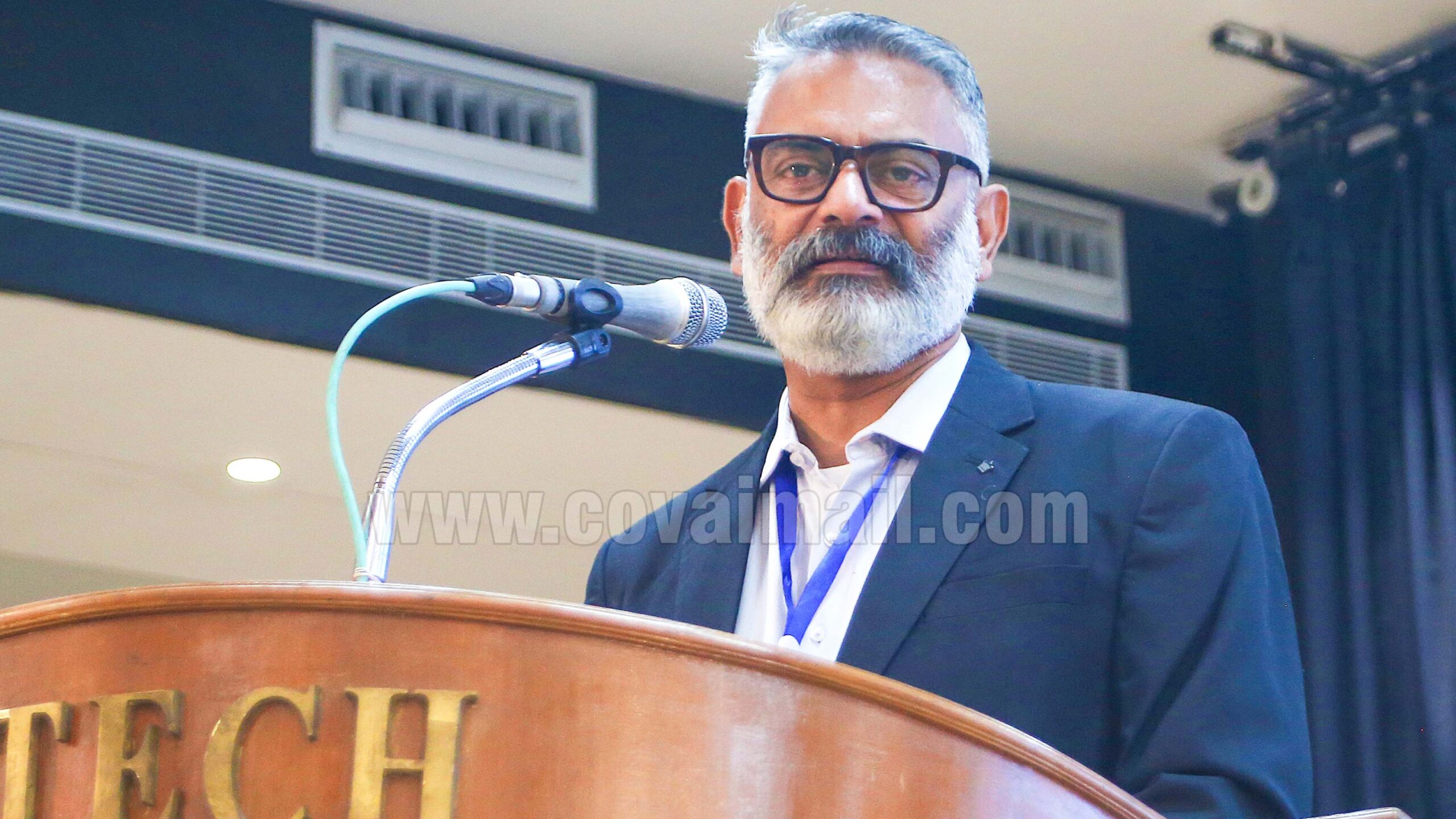
Vinod, Head, PSG IAS- German School of Technology, delivered the welcome address, while Kanchana, Director, PSG IAS, proposed the vote of thanks.
Arthur Rapp, Director, DAAD Regional Office, New Delhi; Dirk Frohling, Director, IGCHE, Germany; and Elisabeth Strand Vigtel, Royal Norwegian Embassy, New Delhi, graced the inaugural.
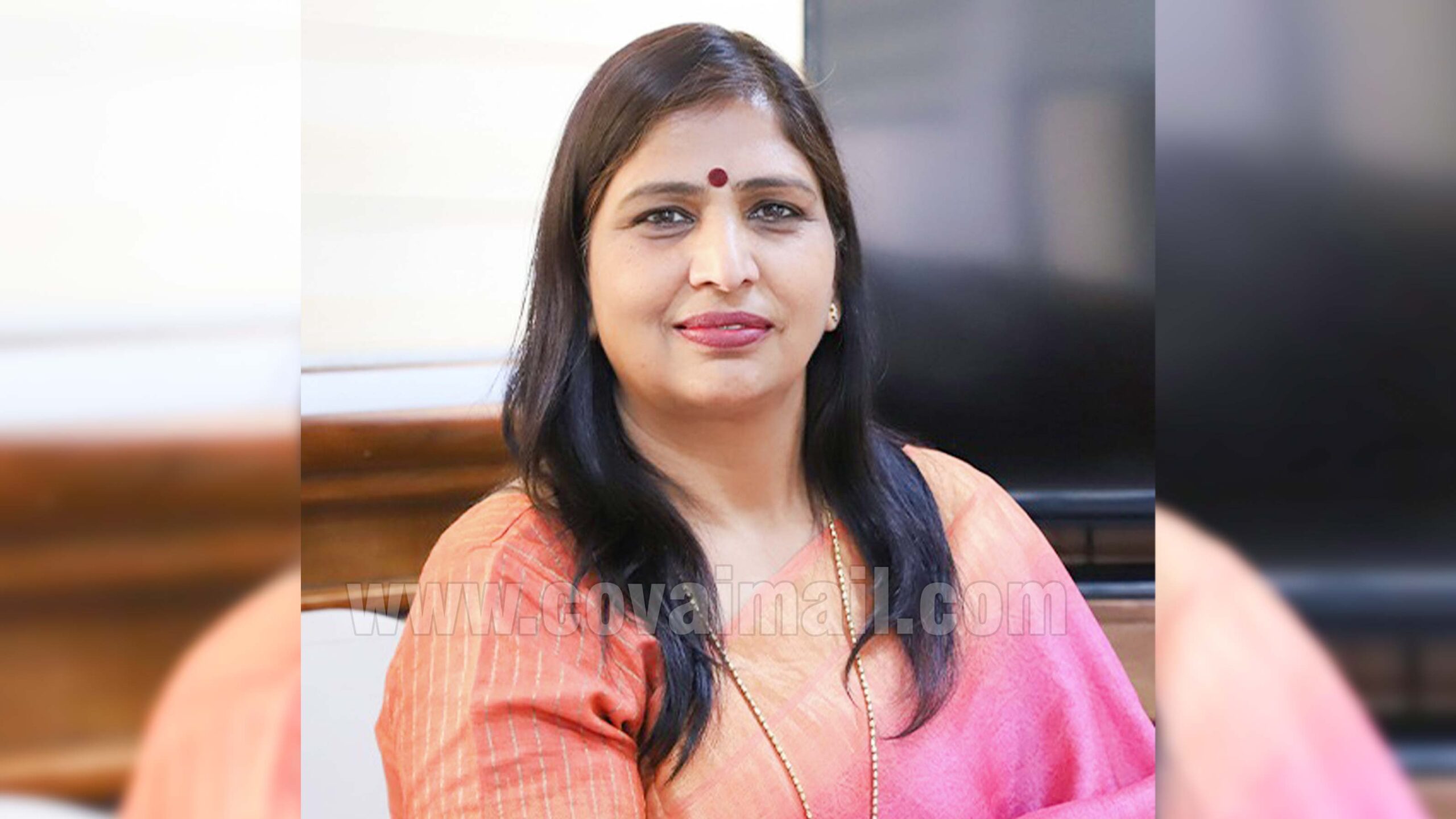
-Pankaj Mittal, Secretary General, AIU
In her address, the chief guest highlighted the role of the Association of Indian Universities (AIU) in supporting institutions in the internationalisation of Indian higher education. Referring to the National Education Policy (NEP) 2020, she described it as a democratic and forward-looking policy, stating, “This is the first policy in India that gives much impetus to the internationalisation of higher education.”
“Earlier, a student had to leave his or her village or town and cross oceans to pursue higher education abroad. Today, the university comes to the student. This is a revolution,” she emphasised.
She then raised an important question: Can we build sustainable international partnerships?
She observed that when an academic degree is developed collaboratively by faculty members from India and Germany, it gains recognition and respect across the world. Describing this as a golden opportunity for India, she emphasised the importance of building meaningful international collaborations.
She cautioned that partnerships built solely on financial considerations would eventually collapse, whereas those founded on mutual trust would stand the test of time.
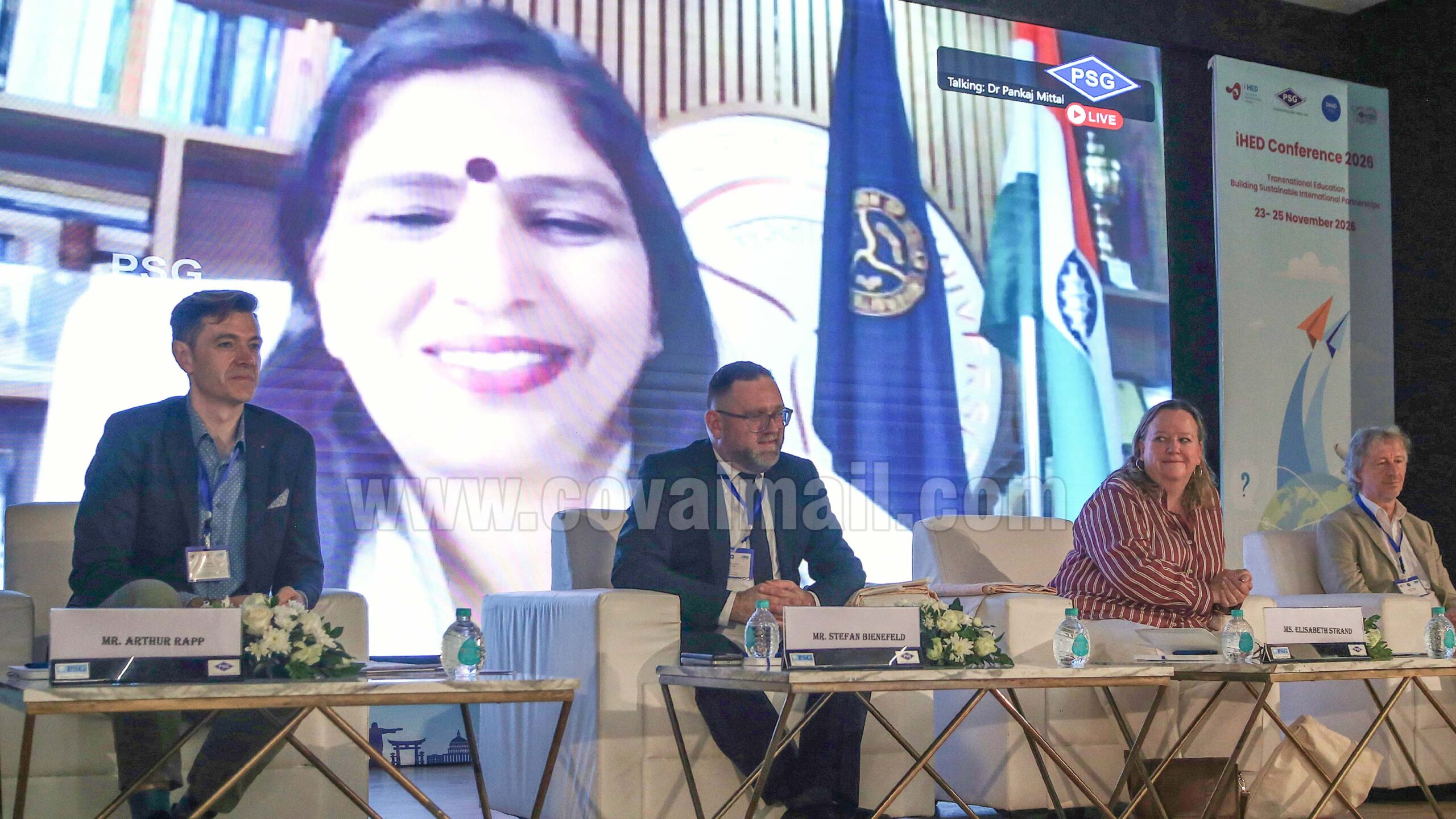
Pankaj Mittal noted five key principles for building sustainable international partnerships:
The first is that sustainable collaboration must be based on equality. Rather than approaching partnerships with the attitude that one institution will teach the other, partners should be willing to learn from each other.
The second is quality over quantity, where the focus should be on building meaningful and high-quality partnerships rather than increasing the number of collaborations.
The third one is solving global problems with local solutions.
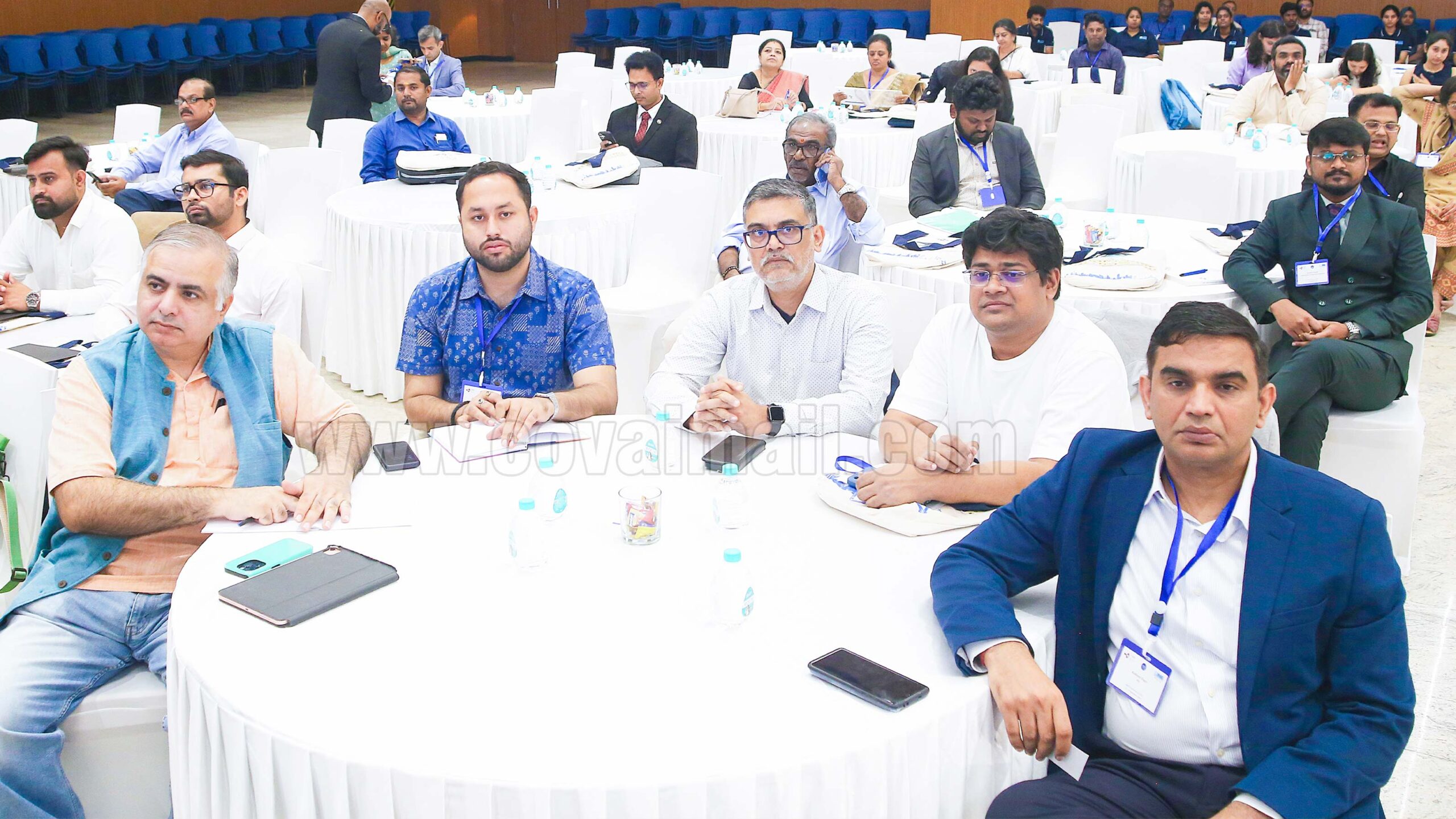
The fourth one is having long-term commitment; sustainable partnerships require a long-term vision, commitment, and consistent engagement from all partners.
And the final one the chief guest said is that teachers are the real ambassadors of transnational education, as they play a vital role in building and strengthening international academic relationships.
She also emphasised the responsibility of teachers in shaping students’ perspectives. While students should acquire global knowledge and develop an international outlook, they must not lose sight of their own culture, traditions, and value systems, which remain equally important.
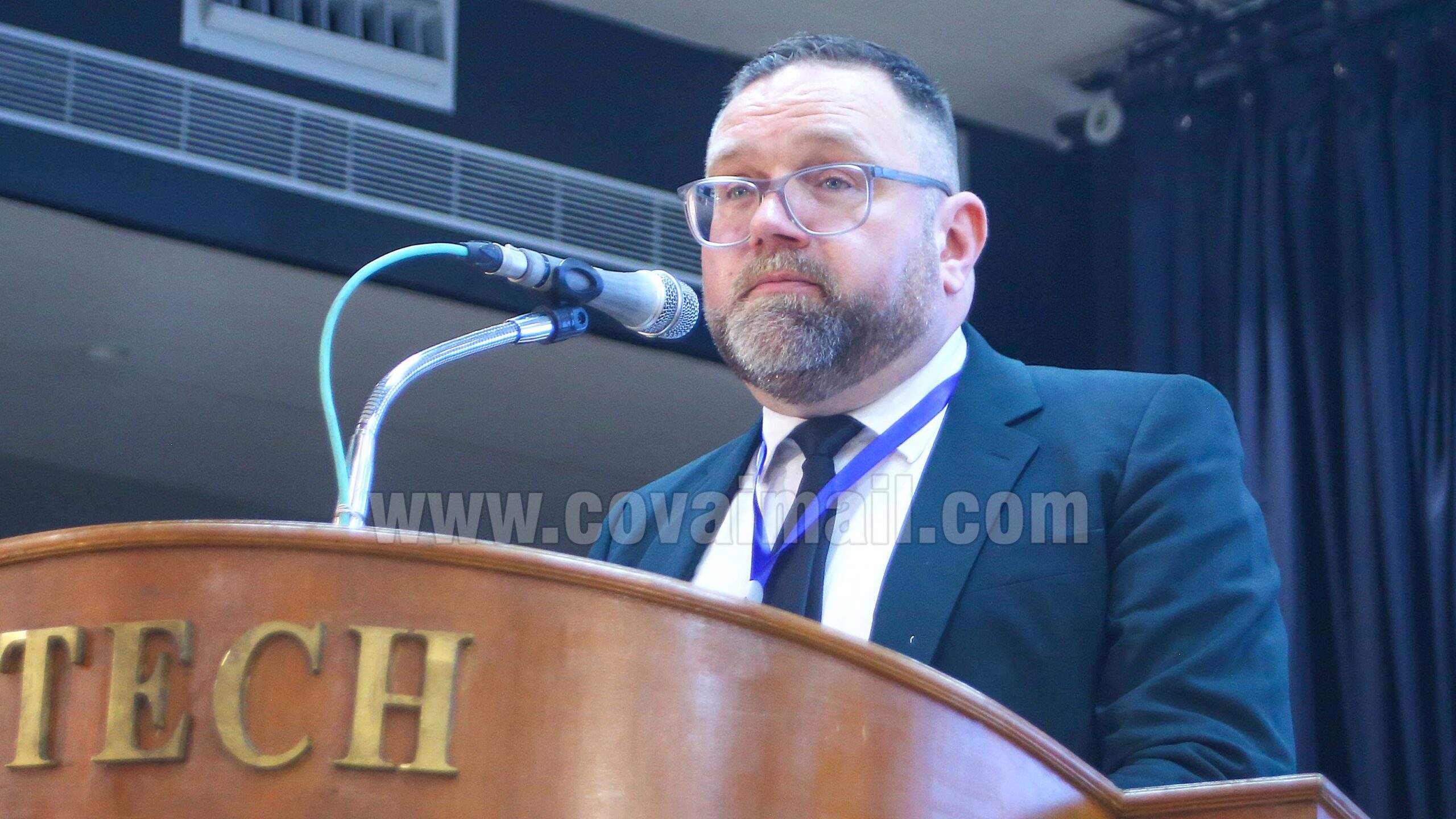
UK & US are interested in transnational education
-Stefan Bienefeld, Head of Division, Transnational Education, DAAD, Germany
In his address, Stefan Bienefeld remarked, “The topic of this conference is very up to date.” He observed that although transnational education has been in practice for the past 30–40 years, it is now taking on new dimensions and gaining fresh momentum in India.
He further highlighted the growing interest of countries such as the UK, Australia, and the US in transnational education, both in receiving international students and in providing educational opportunities across borders. He also pointed out a significant shift in the global education landscape, with countries that were traditionally recipients of transnational education now emerging as providers, such as Malaysia.
Concluding his address, he encouraged participants to make the most of the three-day conference by exchanging ideas, strengthening collaborations, and working together to shape the future of transnational education.
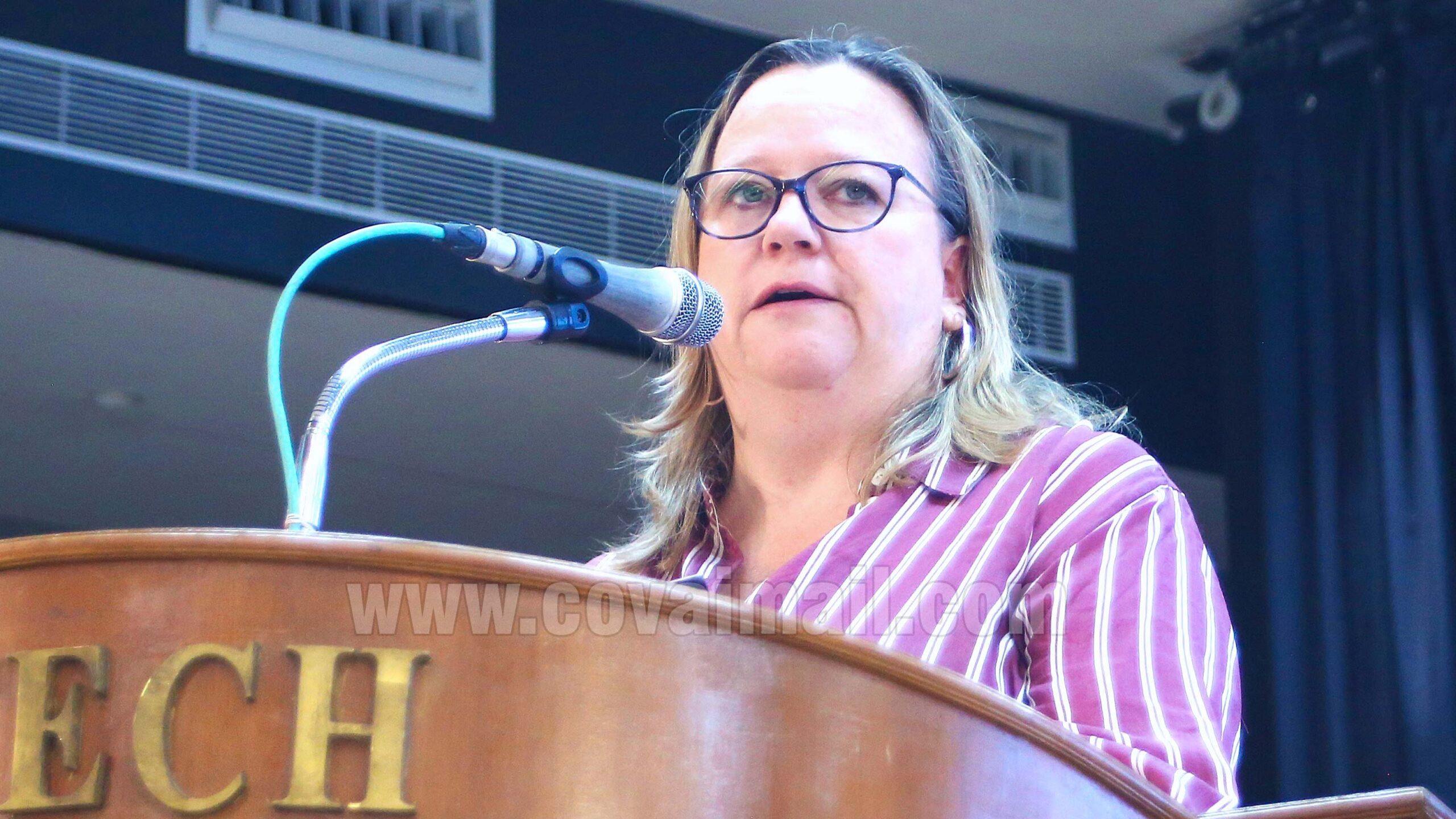
Europe looks India as a strategic partner
-Elisabeth Strand Vigtel, Royal Norwegian Embassy, New Delhi
She noted that transnational education has evolved significantly with advancements in technology and the emergence of artificial intelligence (AI). She highlighted that India is an important partner for Norway in the field of transnational education and that cooperation between India and Norway in research and higher education has grown considerably over the past five years.
“For us, the interesting question is not how Norwegian education can be delivered in India, but how India and Norway can develop together,” she said.
She further observed that European institutions are increasingly looking towards India as a long-term strategic partner.