
Hantavirus has been studied for decades, but a recent outbreak on a cruise ship has brought renewed attention to the disease and raised several public health questions.
The World Health Organization (WHO) has assessed the global risk as low, while the Indian Council of Medical Research (ICMR) has confirmed that there is no immediate threat to India.
In this context, Apollo Hospital released an evidence-based overview explaining what hantavirus is, how it spreads, and the precautions people can take to protect themselves.
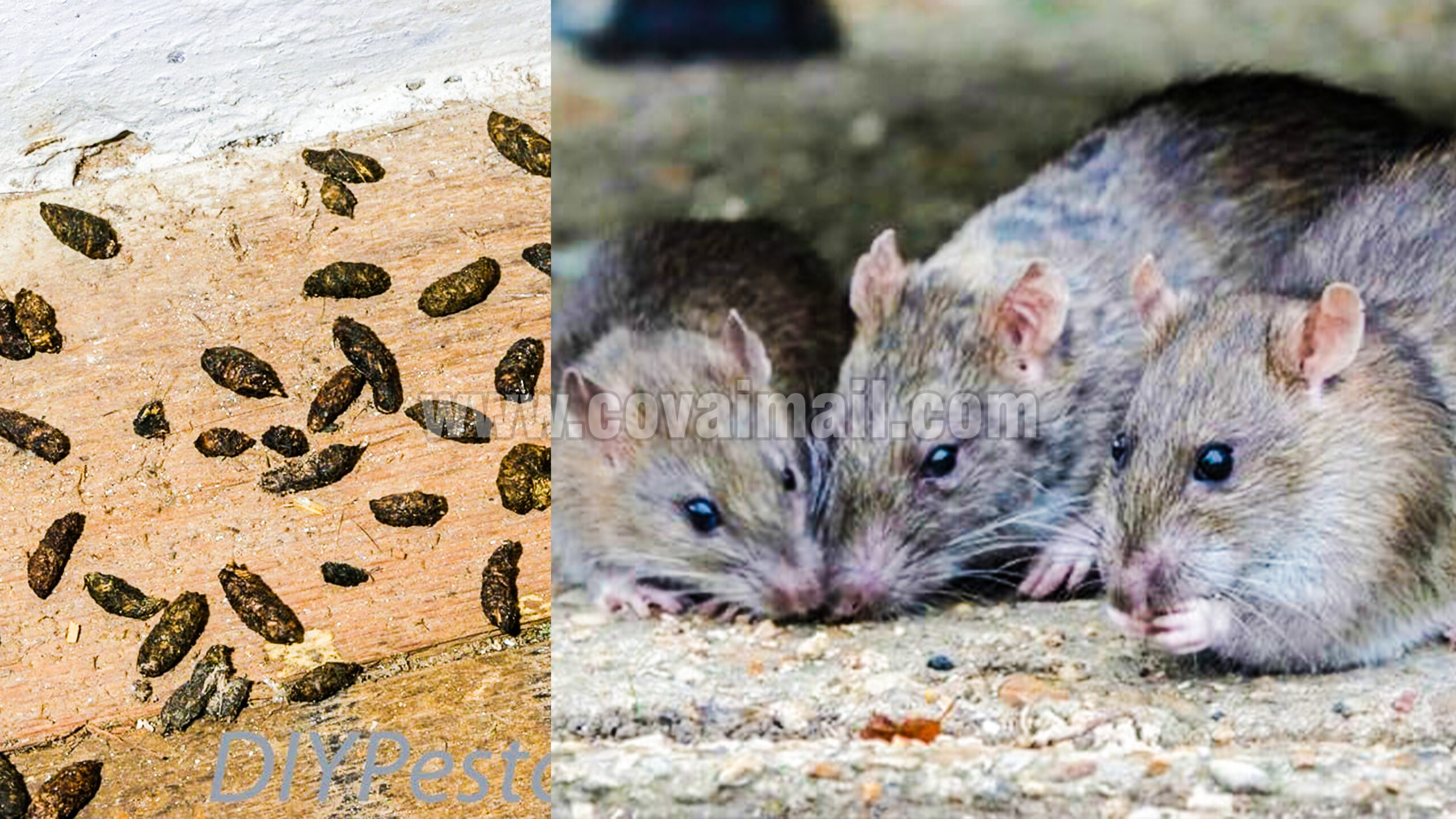
According to health experts, hantavirus spreads to humans through contact with the urine, droppings, or saliva of infected rats and mice.
Health authorities say the virus is primarily transmitted through rodents in the following ways:
• Inhalation of Dust: Breathing in airborne particles contaminated with dried rodent urine or droppings.
• Direct Contact: Touching contaminated surfaces and then touching the mouth, nose, or eyes.
• Rodent Bites: In rare cases, bites or scratches from infected rodents may transmit the virus.
The WHO noted that hantavirus is typically transmitted from rodents to humans, while person-to-person transmission remains extremely rare.
Symptoms usually appear one to eight weeks after exposure and may include fever, chills, body aches, fatigue, and headaches. In rare cases, the infection can affect the lungs or kidneys.
Apollo hospital also advises people to consult a doctor if symptoms develop after recent exposure to rodents, as early medical care can improve recovery outcomes.
The WHO estimates that between 10,000 and 100,000 cases are reported worldwide each year. In India, human cases remain rare, with no major outbreaks reported so far.
The national public health agency of the United States, the Centres for Disease Control and Prevention (CDC), recorded 890 confirmed cases in the U.S. between 1993 and 2023.