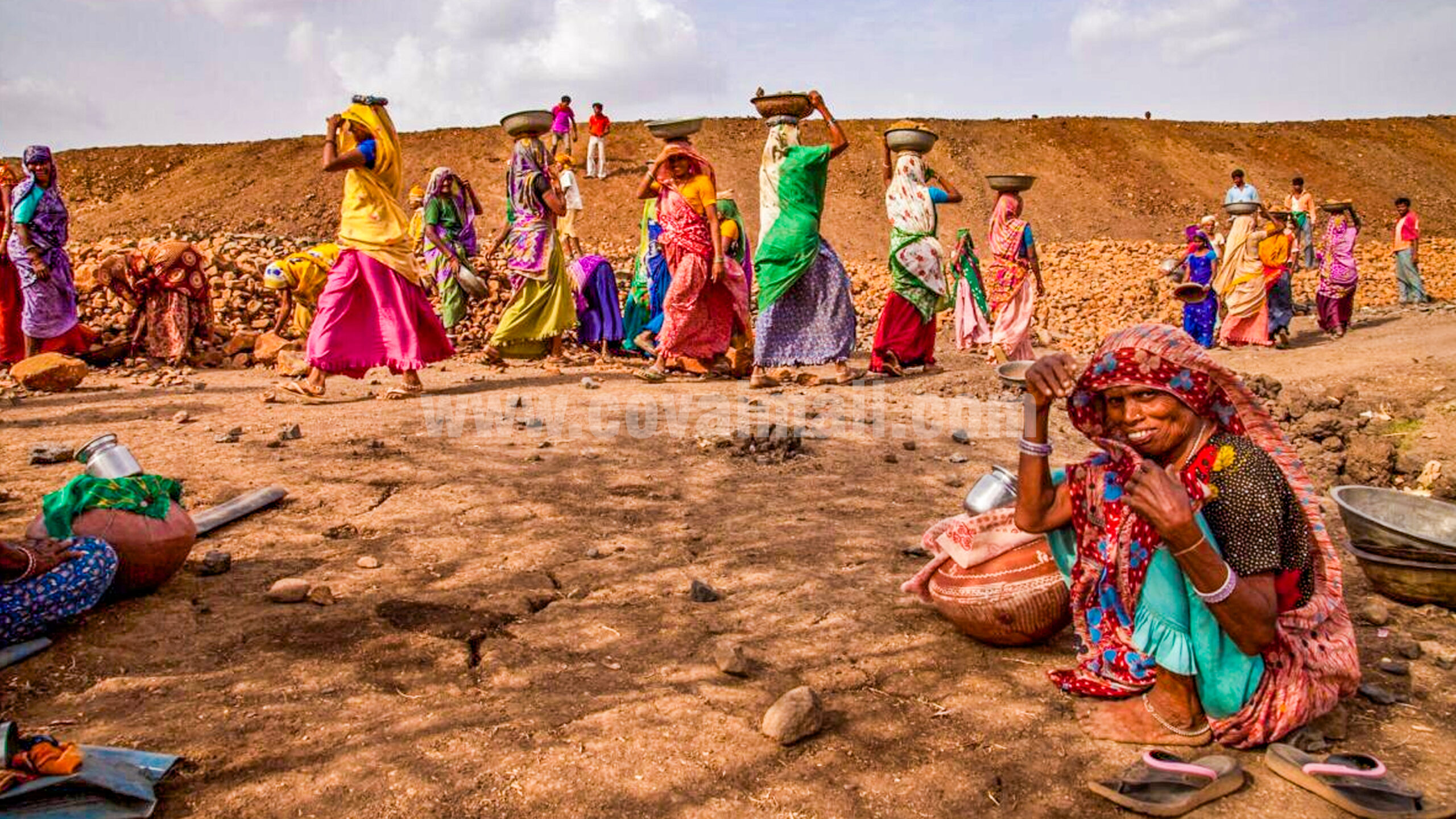

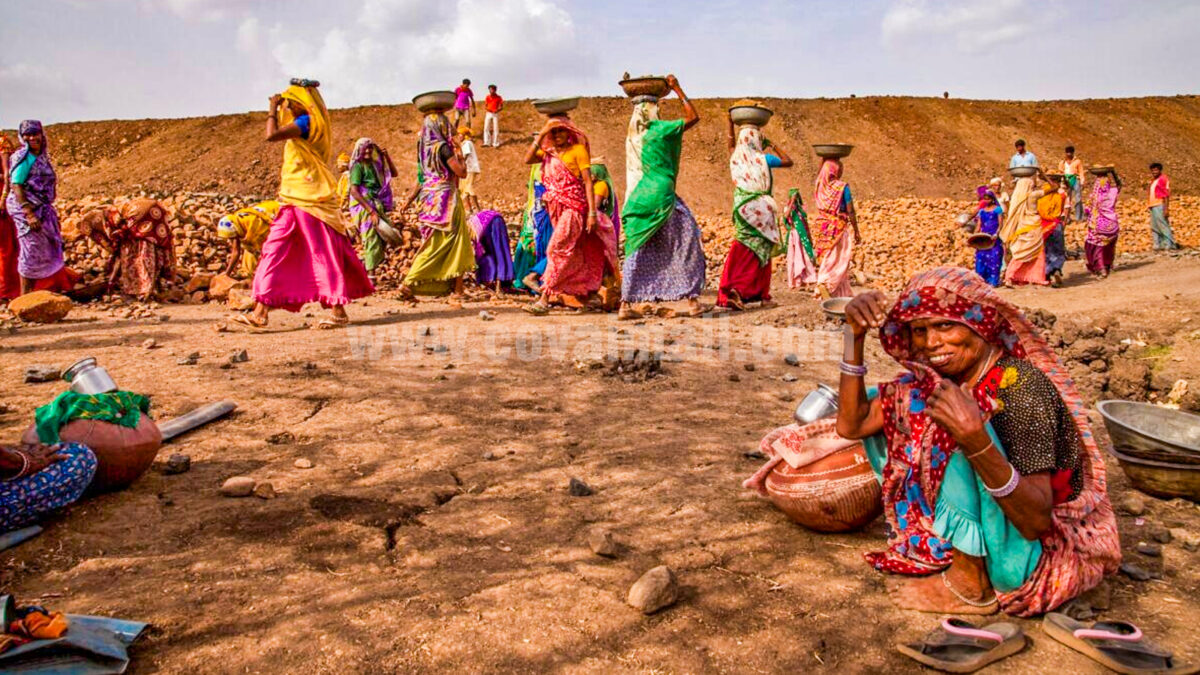
Shivraj Singh Chouhan, Union Minister for Rural Development and Agriculture, introduced a bill in the Lok Sabha on 16th December 2025 to replace the Mahatma Gandhi National Rural Employment Guarantee Act (MGNREGA) with a new programme called the Viksit Bharat Guarantee for Rozgar and Ajeevika Mission (Gramin) (VB–G RAM G) Bill, 2025.
The government said the new bill aims to strengthen rural employment by linking job creation with livelihood opportunities, skill development, and village infrastructure.
It is part of the government’s broader vision of building a “Viksit Bharat.” The proposed law will integrate employment with broader rural development goals, including water security, infrastructure development, and livelihood support.
Under the bill, rural households will be eligible for up to 125 days of employment, an increase from the 100 days currently guaranteed under MGNREGA. The government also plans to increase funding, improve monitoring through technology, and has proposed a budget of ₹1.51 lakh crore for the next financial year.
The programme is expected to roll out in phases starting 1st April 2026, with states given up to six months to transition from the existing framework.
The bill triggered strong opposition in Parliament. Critics expressed concern over the removal of Mahatma Gandhi’s name from the scheme and warned that the new programme could weaken job security and workers’ rights. They also demanded further discussion and review of the bill.
Leader of the Opposition in the Lok Sabha, Rahul Gandhi, opposed the bill and tweeted on X that the proposed 60:40 funding ratio between the central and state governments, compared to 90:10 under MGNREGA, would weaken rural employment security. He added, “Modi ji has two hatreds: one, the ideas of Mahatma Gandhi, and two, the rights of the poor.”
The government defended the move, saying the new mission will focus on long-term development, better asset creation, and stronger rural livelihoods while continuing employment support.
The passage of the VB–G RAM G Bill marks a significant shift in India’s rural employment policy and is expected to impact rural workers and village development nationwide.