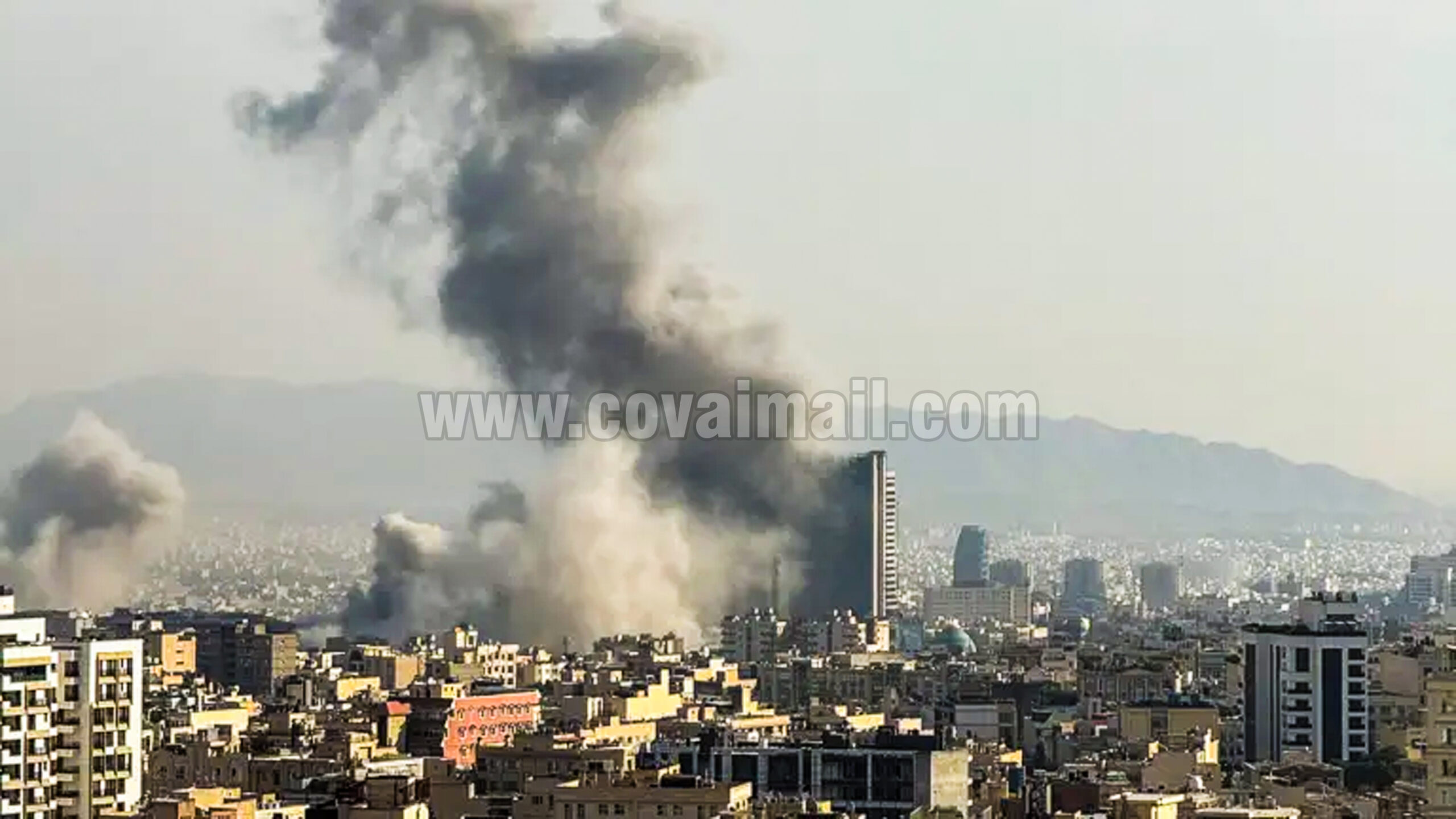

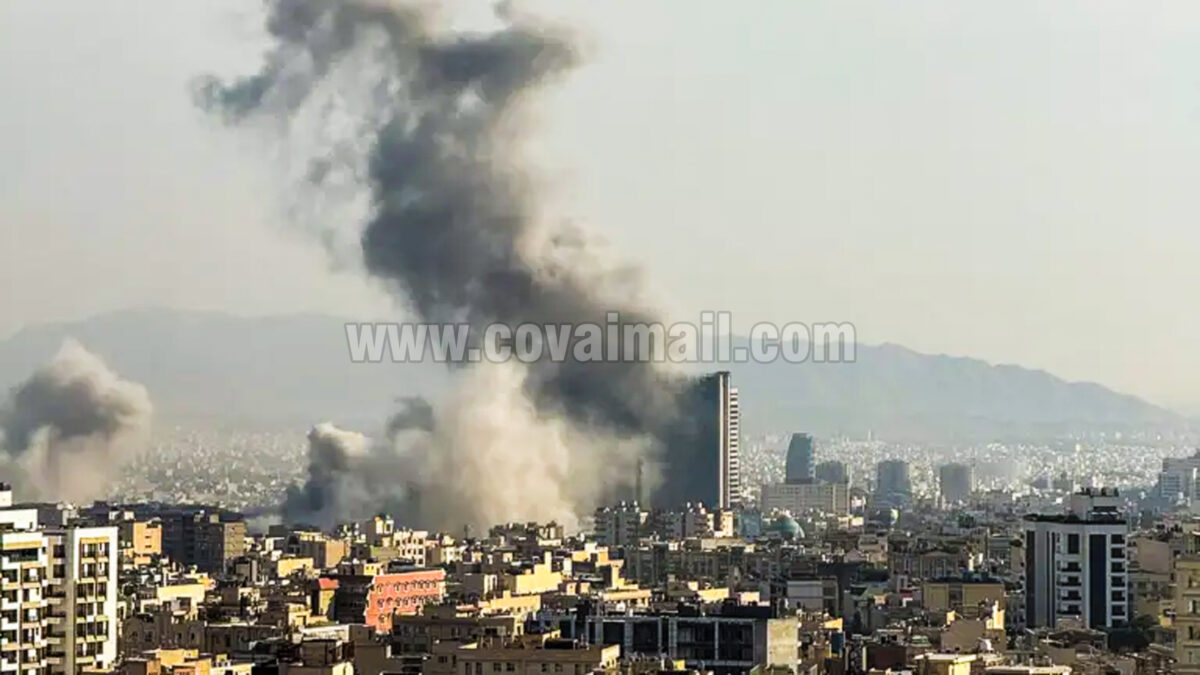
Israel and the United States began attacking Iran on February 28, stating that the action was in response to threats from Iran’s missile programme, nuclear ambitions and regional influence. During the strikes, Iran confirmed the death of its Supreme Leader, Ayatollah Ali Khamenei.
The conflict continues, and Iran has warned ships not to pass through the Strait of Hormuz, which carries about 20% of the world’s oil and gas and about 30% of LNG.

In this regard, speaking to The Covai Mail, economist Chokkalingam Palaniappan said the escalating tensions could have significant implications for India’s economy, particularly in trade and financial markets.
Impact on exports and imports
Exports and imports routed through the Strait of Hormuz are likely to face disruption, forcing ships to take an alternative and longer route around the Cape of Good Hope.
This reroute increases freight costs and transit time, which in turn increases the prices of crude oil.
“If the price of crude oil rises by one dollar, India’s annual import bill will increase by one billion dollars,” Palaniappan said.
What if the war continues?
Palaniappan said the duration of the conflict would determine the scale of the economic impact. In the short term, the government may absorb rising fuel costs. However, if the war is prolonged, higher crude prices could lead to increases in petrol and diesel rates, pushing up the cost of vegetables and other essential goods and fuelling inflation.
Prolonged disruption may also affect supply chains and weaken the Indian rupee.
Will the war continue?
When asked whether the conflict would continue, he said it is in the hands of Donald Trump, the President of the United States and Israel. Referring to the previous Iran–Israel conflict in June 2025, which lasted 12 days, he said the outcome remains uncertain.
“If casualties increase on the American side, the war may end soon. However, it remains a million-dollar question whether it will stop or continue,” he said.
Will the gold price rise?
Gold prices have risen over the past two days amid the Iran conflict. However, Palaniappan said prices may not rise continuously and added that it would not be surprising if the 22 CT gold declines to Rs. 10,000 per gram over the next two years.
He added that currently, the stock market could face volatility and uncertainty amid the ongoing conflict.