

Tamil Nadu, which accounts for one-third of the nation’s textile manufacturing capacity, contributes 28% of India’s total textile and clothing exports.
The State Government has been implementing a series of measures and policy interventions to enhance global competitiveness and boost exports. Recent initiatives such as a 6% interest subvention for spinning modernisation, a 50% capital subsidy for the garment and home textiles sectors, and a 50% subsidy for engaging technical textiles consultants are steps in the right direction, with several more policy benefits in the pipeline.
The conclusion of Free Trade Agreements (FTAs) with countries including the UK, Australia, UAE, Switzerland, and Japan has further expanded export opportunities for Tamil Nadu’s textile manufacturing units.
At this juncture, the recent announcement by the President of the United States to impose a 50% tariff on Indian goods has come as a rude shock to the entire textile value chain—particularly for Tamil Nadu, which is the single largest exporter of textiles to the U.S. from India.
In response, a delegation comprising several industry representatives and associations met the Chief Minister of Tamil Nadu on 14th August 2025, in the presence of the Minister for Industries, TRB Raja. The delegation highlighted the urgent need for coordinated interventions from both the State and Central Governments to mitigate the adverse impact of the proposed U.S. tariff on the Indian textile sector, especially in Tamil Nadu.
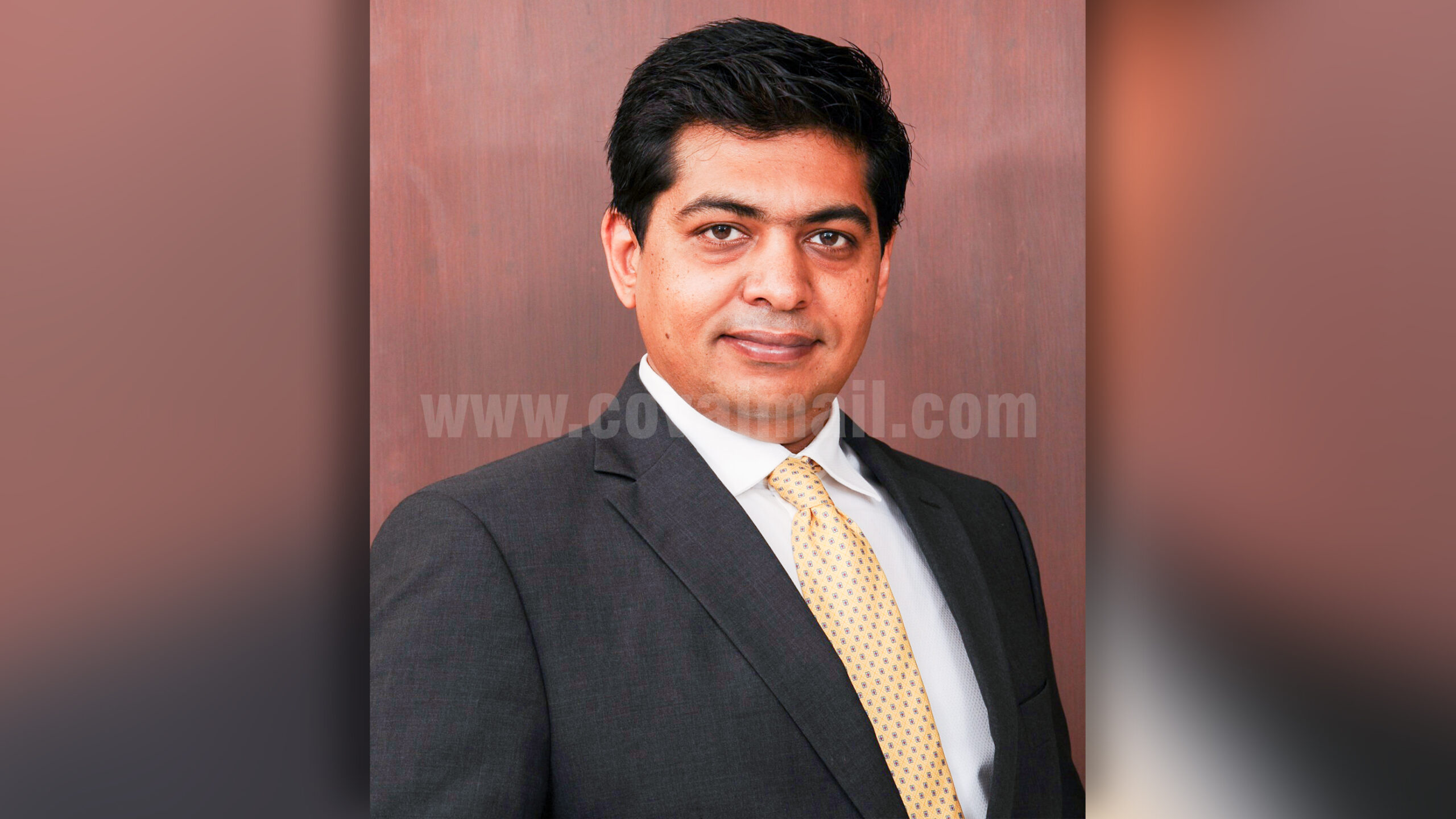
Sundararaman, Chairman, and Selvaraju, Secretary General of the Southern India Mills’ Association (SIMA), were part of the delegation and submitted a memorandum on behalf of the textile industry.
In a press release issued on 14th August 2025, the SIMA Chairman thanked Industries Minister TRB Raja for convening the meeting with the Chief Minister. He also expressed gratitude to the Chief Minister for giving a patient hearing and indicating his decision to send a D.O. letter to the Prime Minister of India, recommending immediate policy interventions to avert job losses, prevent production stoppages, explore alternate markets, retain existing customers, and safeguard textile manufacturing units from a severe crisis that could cause irreparable damage.
The SIMA Chairman appealed to the Chief Minister to recommend that the Union Government extend a two-year moratorium on the repayment of principal amounts, along with a 30% collateral-free loan under the Emergency Credit Guarantee Scheme (ECLGS) and a 5% interest subvention. He stated that these measures are crucial to prevent textile units from becoming NPAs, to meet their operational expenses, and to manage working capital requirements.
He recalled that a similar relief package provided during the COVID-19 period had significantly benefited the industry, enabling it to bounce back quickly after the lockdown. Drawing a parallel with the current scenario, he pointed out that the steep U.S. tariff impact is akin to the COVID crisis, as most buyers have suspended their orders, while many are renegotiating prices or cancelling orders altogether.
The SIMA Chairman also emphasised the need to enhance the RoDTEP benefit by 5% and to extend pre- and post-shipment credit to all textile product exports, including yarn. These steps are crucial for capturing new markets and sustaining existing ones, especially considering the significant buyer base in the U.S.
Sundararaman further appealed to the Chief Minister to strongly recommend to the Prime Minister the urgent need to address raw material structural issues. He urged the removal of the 11% import duty on cotton and the rectification of the GST inverted duty structure in the MMF (man-made fibre) value chain by bringing the entire value chain under the 5% GST slab, aligning it with the cotton value chain.
He stressed that ensuring the availability of raw materials at internationally competitive prices is critical to achieving the vision of a USD 350 billion textile business and contributing to Tamil Nadu’s goal of becoming a USD one trillion economy by 2030.
In addition, Sundararaman appealed to the Chief Minister to extend benefits under the State’s Renewable Energy Regulations. These include the continuation of the annual banking scheme for windmills over 20 years old, withdrawal of network charges on captive rooftop solar installations, and exemption of open access power purchases from cross-subsidy and additional surcharges for one year. He stated that such measures would greatly support the power-intensive textile industry in mitigating the current unforeseen crisis.
Finally, Sundararaman urged the Chief Minister to fast-track export refunds through a single-window mechanism and to expedite State GST refund claims—both for exports and for inverted duty—to prevent working capital blockages and ease the financial stress faced by the sector.