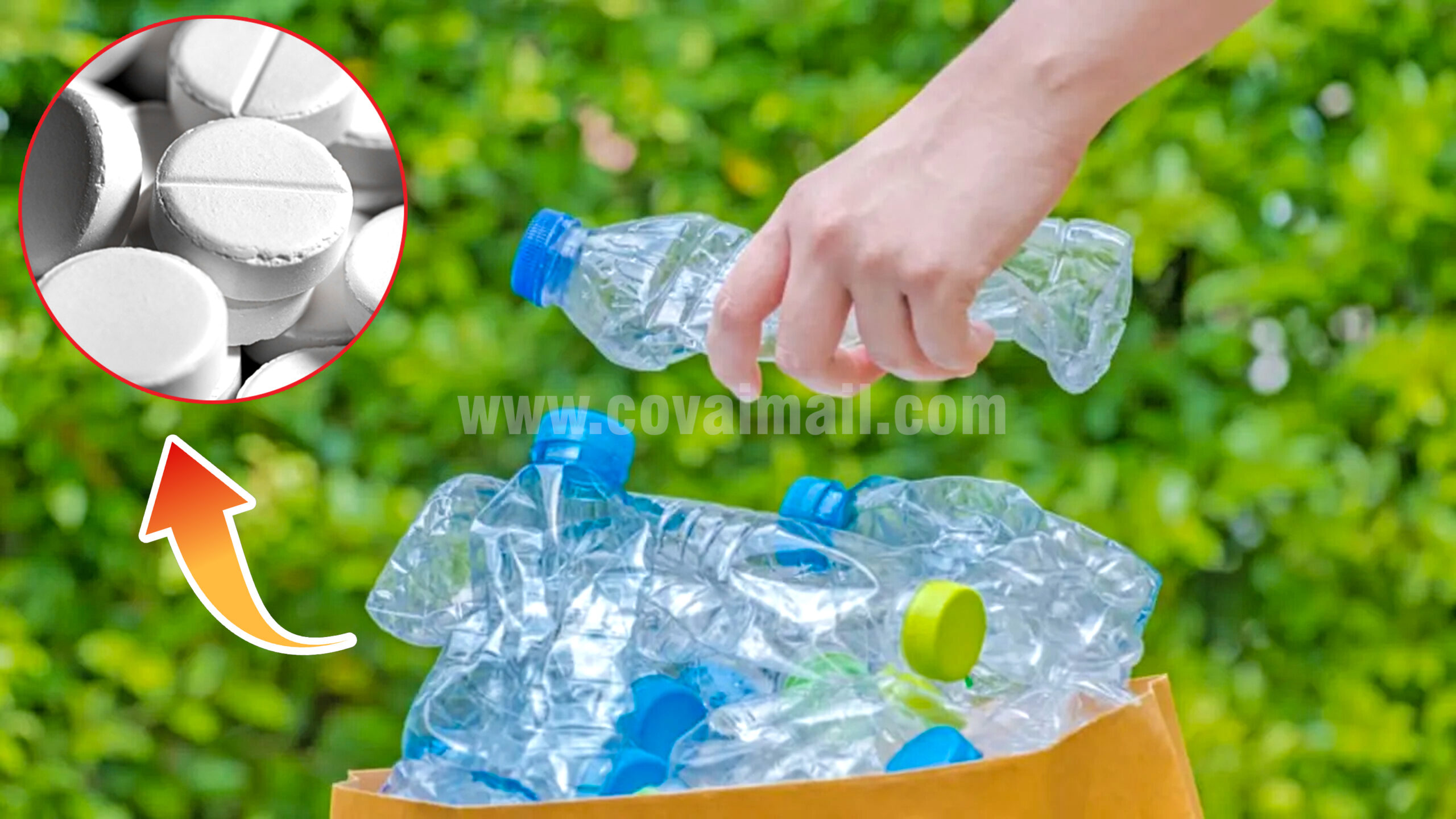

Plastics, which are highly harmful to both the environment and human health, can now be converted into a painkiller.
In a recent study published in Nature Chemistry by the University of Edinburgh, UK, researchers found that molecules from polyethylene terephthalate (PET) plastic can be converted into acetaminophen, commonly known as paracetamol, using genetically engineered Escherichia coli bacteria.
The process starts by breaking down PET plastic (used in bottles) into terephthalic acid (TPA), one of its main parts.
Scientists changed the E. coli bacteria to convert TPA into another substance called para-aminobenzoic acid (PABA). This is then turned into paracetamol through more chemical steps.
The whole process takes less than 24 hours, works at room temperature, and creates very little pollution. It also doesn’t depend on oil-based materials.
The research is still in early stages and hasn’t been used on a large scale yet. But scientists hope this method can be used in the future to recycle other plastics and make more useful medicines.