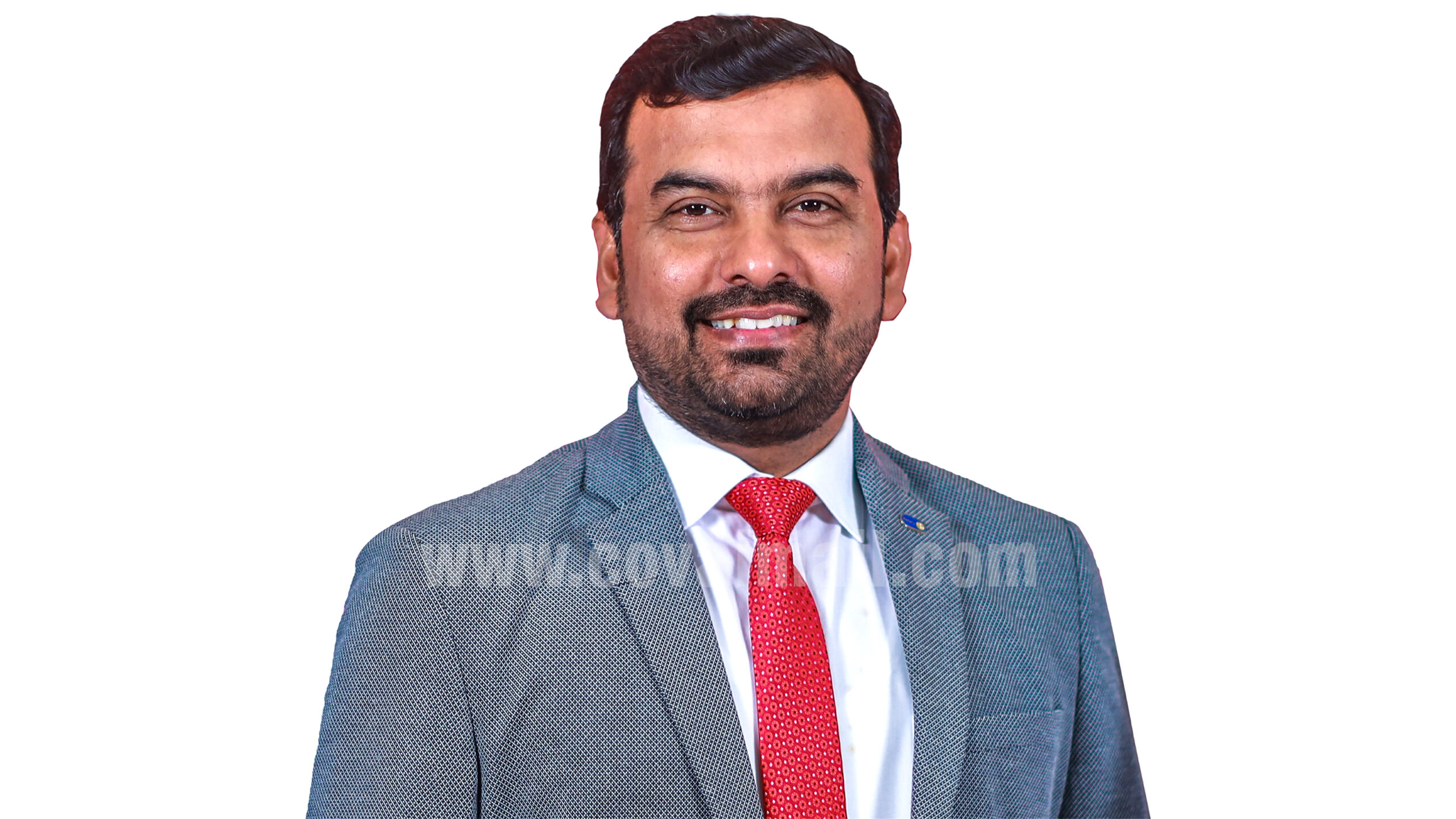

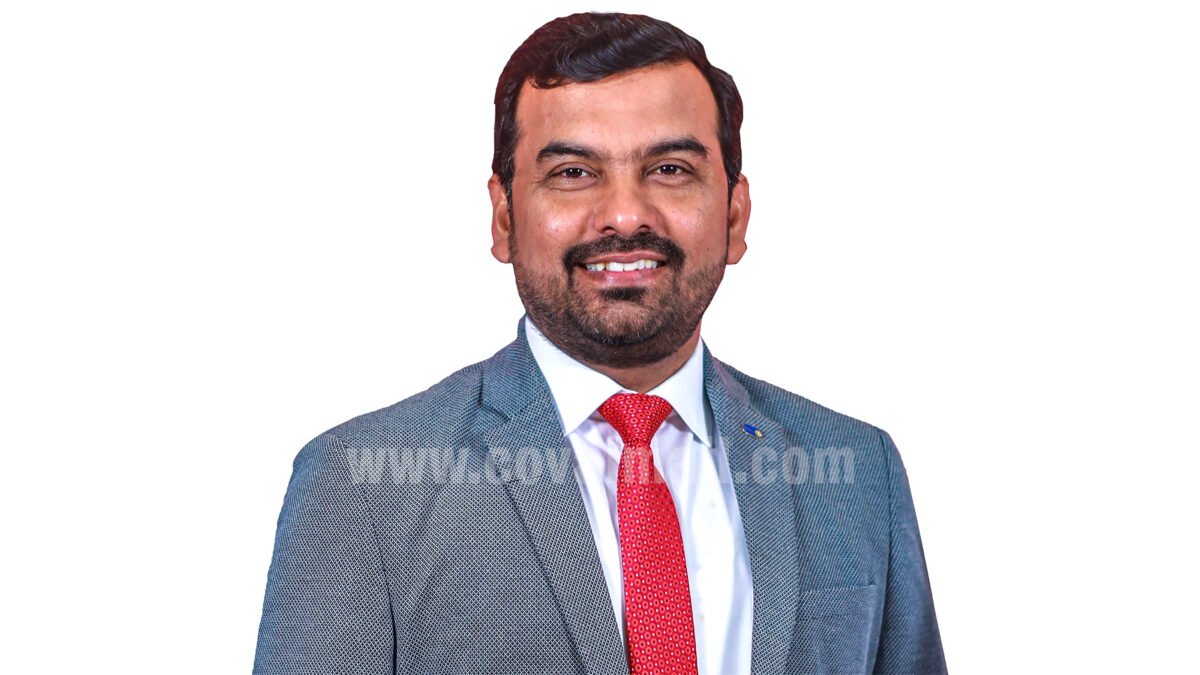
Gopalakrishnan, Regional Chairman Federation of Indian Export Organisations (FIEO) Southern Region, welcomed the Union Budget 2026-27 as a forward-looking blueprint that prioritises job creation, MSME resilience, and the growth of labour-intensive export sectors, particularly textiles, Agri & Processed Food and leather.
Presented by Finance Minister Nirmala Sitharaman amid global trade challenges, including US tariffs, the Budget provides targeted support to safeguard employment and enhance competitiveness, with significant benefits for Southern India’s export hubs.
FIEO Regional Chairman expressed optimism about the Budget’s implications: “The Union Budget 2026-27 demonstrates the government’s commitment to transforming India into a global manufacturing powerhouse while addressing pressing challenges like unemployment and external trade pressures.
By placing MSMEs at the center of economic growth and extending incentives to key sectors like textiles and leather, Cashew, Marine, etc., this Budget will empower exporters in the Southern Region to scale up, innovate, and contribute to the vision of Viksit Bharat.”
The Budget treats unemployment as a core macroeconomic risk and emphasises MSME-led job creation as a scalable solution.
Initiatives such as expanded skilling programs under SAMARTH, PM SVANidhi for urban self-employment, and incentives for labour-intensive industries are expected to generate millions of jobs.
In the Southern Region, home to vibrant clusters in Tamil Nadu, Karnataka, Andhra Pradesh, and Kerala, this will particularly benefit the youth and women workforce in export-oriented units.
The focus on Tier-2 and Tier-3 manufacturing corridors will unlock local labour pools, fostering inclusive growth and reducing migration pressures.
MSMEs, which form the backbone of India’s exports, receive a major thrust with enhanced credit guarantee coverage raised from ₹5 crore to ₹10 crore, preferential loans, and reclassification criteria that increase investment and turnover limits by 2-2.5 times.
These measures will ease access to affordable working capital, enabling small exporters to navigate thin margins and global headwinds.
For Southern India’s MSME-dominated ecosystem, this translates to sustained operations in apparel, handicrafts, and value-added processing, protecting livelihoods and promoting scalability.
Amid tariff shocks impacting order continuity, the Budget extends the Production Linked Incentive (PLI) scheme for man-made fibres and technical textiles, accelerates PM MITRA Park execution, and rationalises GST for better competitiveness.
Allocations for cotton import duty exemptions, technology adoption, and zero-waste manufacturing will stabilize raw material prices and encourage innovation.
Southern states, with major textile hubs in Coimbatore, Tiruppur, and Erode, stand to gain immensely, as these steps safeguard MSME jobs, boost exports, and align with the national target of a $350 billion textiles sector by 2030.
The Budget’s emphasis on infrastructure development, logistics optimization, and AI-led supply chain efficiencies will strengthen Southern Region’s export corridors.
With policy continuity in ‘Make in India’ and targeted relief for affected sectors, exporters here can diversify trade, leverage new FTAs with the EU and UK, and build resilience against international tariffs.
This aligns with the region’s strengths in textiles, leather, and MSMEs, positioning it as a key driver of India’s 2 Trillion USD export goal by 2030.
Gopalakrishnan added, “While global uncertainties persist, the Budget’s pragmatic approach – from fiscal support for clusters to easier capital access – will help Southern exporters recalibrate and thrive. We urge swift implementation to maximize these gains and look forward to collaborating with the government on execution.”