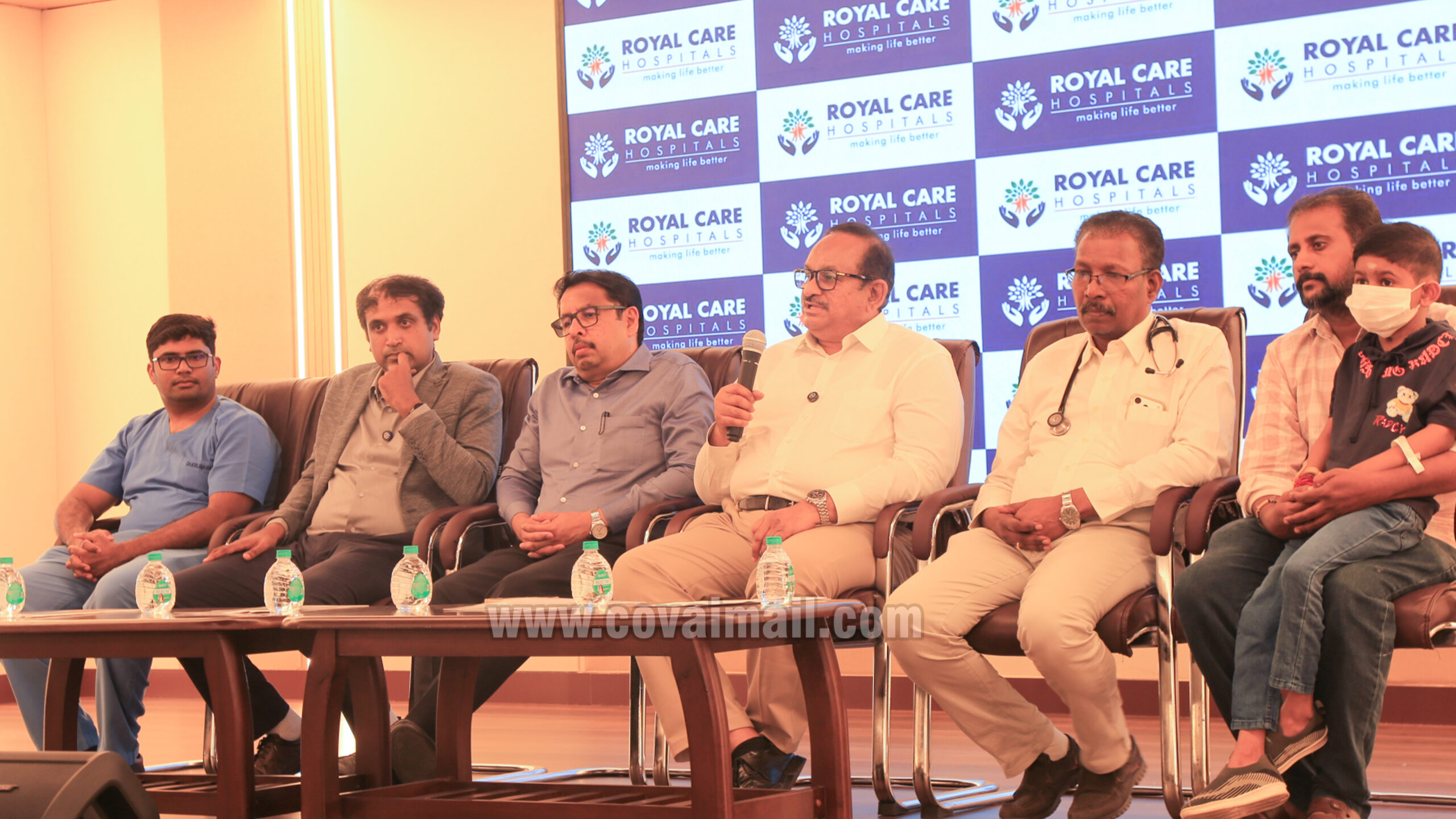

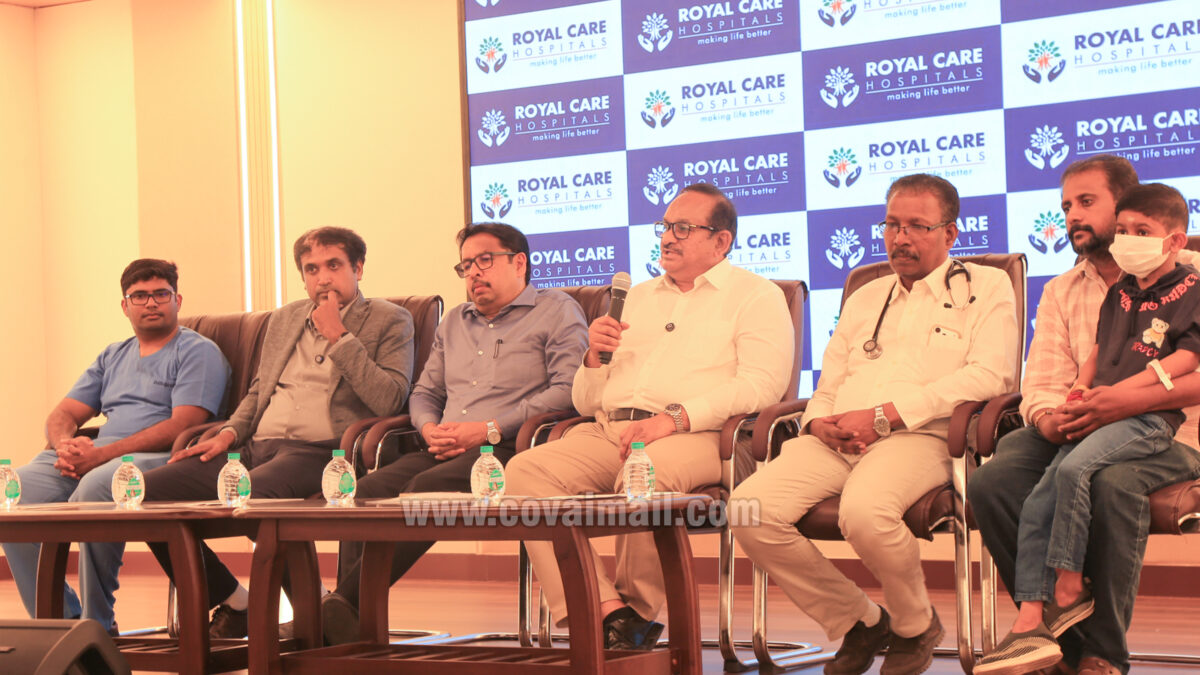
Royal Care Super Speciality Hospitals recently performed a rare, highly complex and extremely challenging pediatric heart transplant on a 7-year-old boy, giving him a new lease on life after a prolonged battle with severe heart failure.
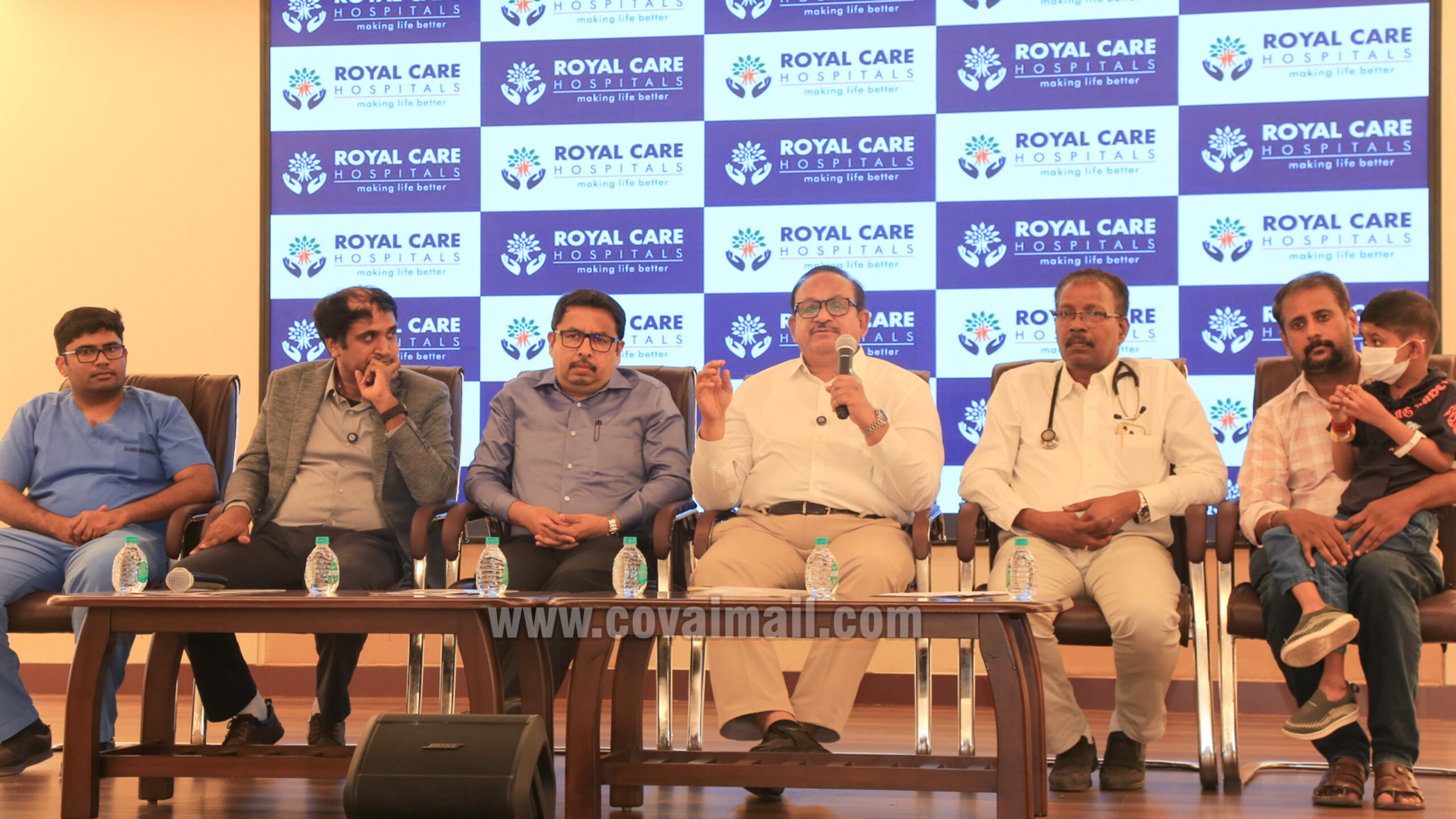
To share details of the successful surgery, the hospital today organised a press meet, during which the team of doctors involved in the procedure explained the entire treatment journey, from the child’s admission to the hospital and the transplant surgery to his successful recovery and discharge.
Dr. K. Madeswaran, Chairman of the hospital, appreciated the efforts of the medical team and congratulated them on the successful outcome of the life-saving procedure.
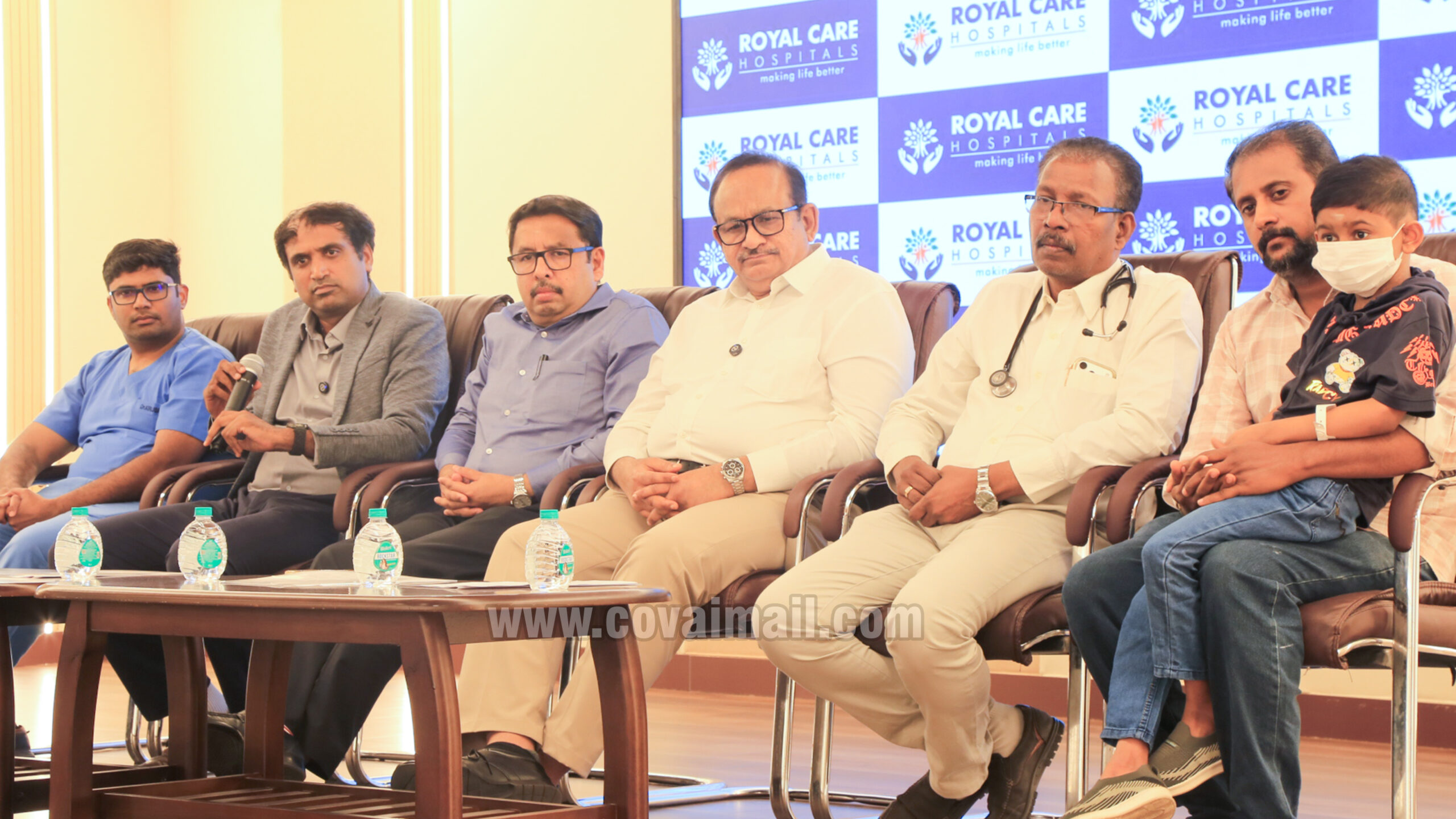
The child and his parents were also present at the press meet and thanked the hospital and the team of doctors for the successful treatment and care provided to him.
The child was diagnosed with Dilated Cardiomyopathy (DCM), a serious condition that had severely weakened his heart.
His mother said the family became aware of the condition only after it had progressed to an advanced stage.
Following unsuccessful treatment elsewhere, the child was brought to Royal Care Hospitals for a second opinion.
According to Dr. G. Pradeep, Cardiothoracic and Vascular Surgeon, the child was admitted with severe heart failure and was initially managed with intensive medical treatment and ventilator support.
Despite all efforts, his condition continued to deteriorate, with declining kidney function and the development of multiple organ complications.
As a life-saving measure, the medical team placed him on Extracorporeal Membrane Oxygenation (ECMO), an advanced heart-lung support system.
During this critical period, the child developed a severe right lung infection and lung collapse, presenting additional challenges for the medical team.
One of the biggest hurdles was finding a suitable donor heart that matched the child’s size and weight.
After an extensive wait, a donor heart became available from an adult brain-dead donor.
The transplant team then took on the formidable challenge of implanting an adult-sized heart into a pediatric recipient.
“The child was in an extremely critical condition, and survival without transplantation was unlikely.
The surgery involved significant technical challenges due to the size mismatch, prolonged ECMO support, and reduced donor heart function.
However, our multidisciplinary team successfully managed these complexities,” said Dr. Pradeep.
Following the transplant, the child required prolonged ECMO support and intensive post-operative care.
His chest was temporarily kept open to accommodate the transplanted heart, and a subsequent surgery was performed to treat the lung infection.
Over the following weeks, the child showed gradual recovery, with significant improvement in both heart and lung function.
The child has now recovered well and is leading a healthier life, marking a remarkable success story in advanced pediatric cardiac care.
The child has now recovered well and is leading a normal life. He is able to run, jump, attend school, and participate in regular activities like other children.
Royal Care Hospitals credited the successful outcome to the coordinated efforts of its cardiothoracic surgery, pediatric critical care, anesthesia, pulmonology, transplant coordination, nursing, and rehabilitation teams.