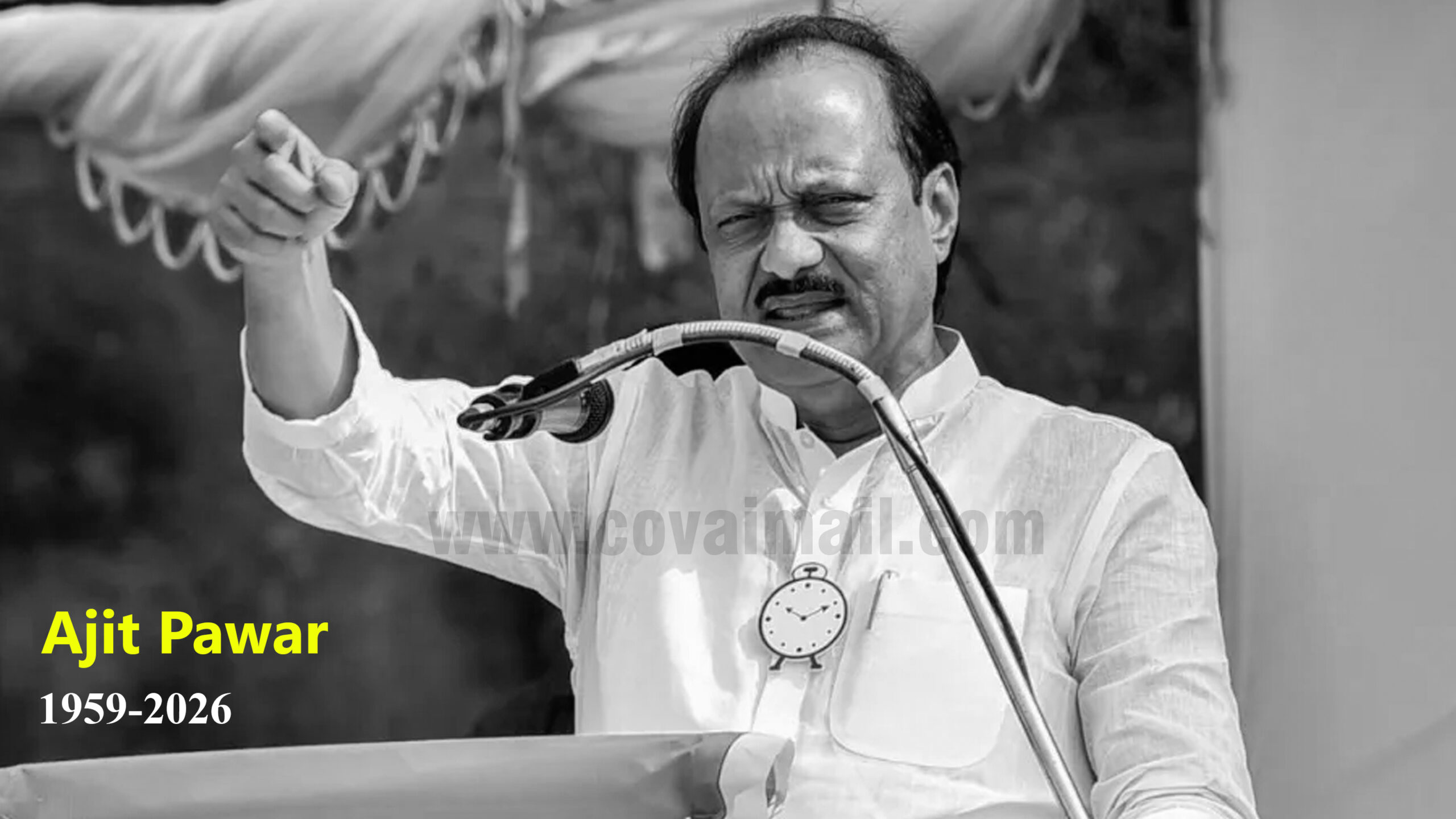

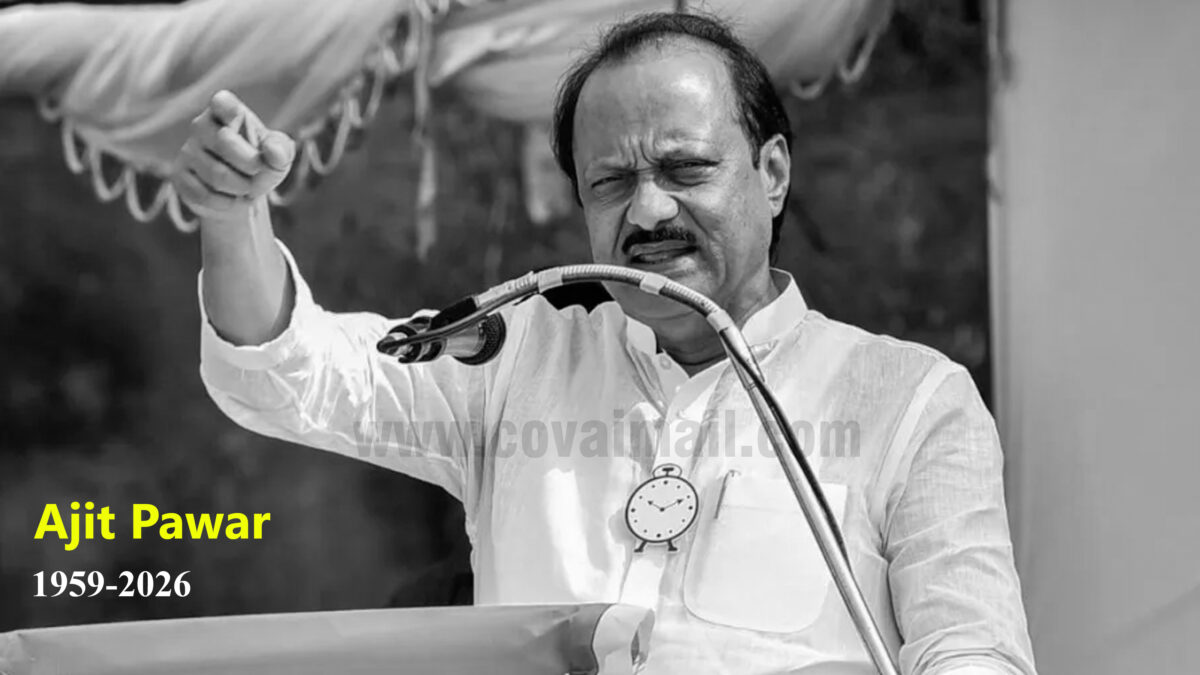
Ajit Pawar (1959 – 2026), a veteran Indian politician and Deputy Chief Minister of Maharashtra, died on January 28, 2026, after a private aircraft carrying him and four others crashed during an emergency landing attempt at Baramati Airport in Pune, Maharashtra.
The tragic incident shocked the state and the nation, and the Maharashtra government announced three days of mourning from January 28 to January 30.
Born on July 22, 1959, Ajit Pawar was a prominent leader in Maharashtra politics and a key figure in the Nationalist Congress Party (NCP) before leading a separate faction recognised by the Election Commission in 2024.
He was a dominant, “no-nonsense” leader, widely known as “Dada”. Known for his deep roots in western Maharashtra, he served multiple terms as an MLA from Baramati and held the Deputy Chief Minister’s post on numerous occasions, becoming one of the state’s most influential political figures.
Pawar began his political career in the early 1990s and quickly established himself as a powerful leader with a reputation for administrative expertise, particularly in finance, rural development, irrigation, and power.
Over the decades, he played a pivotal role in shaping Maharashtra’s coalition governments, and his tactical leadership earned him both widespread support and controversy.
On the morning of January 28, the Learjet 45 aircraft carrying Pawar, two security personnel, and two pilots crashed near the Baramati runway during an attempted landing, bursting into flames. All five people on board were killed, officials confirmed.
The Maharashtra government’s three-day mourning directive includes flying the national flag at half-mast and suspension of official entertainment events as a mark of respect. Prime Minister Narendra Modi, political leaders from across the country, and many public figures have expressed deep grief at Pawar’s sudden death, describing it as an immense loss to the nation’s political landscape.
Ajit Pawar’s enduring legacy lies in his decades of public service, his role in advancing critical policy initiatives, and his deep engagement with grassroots politics — influencing governance and public life in Maharashtra until his untimely demise.